
The Critical Role of Security Guards in Emergency Response: A Strategic Guide

In a crisis, the interval between the initial alarm and the arrival of public emergency services is a period of extreme vulnerability where every second dictates the safety of your personnel and the preservation of your assets. You recognize that waiting for municipal authorities is not a complete safety strategy, especially when chaos and panic threaten to overwhelm your facility. Understanding the role of security guards in emergency response is essential for any stakeholder who refuses to leave their liability to chance.

Professional security personnel act as a disciplined shield, providing the immediate stabilization required to protect lives before first responders arrive. This strategic guide explores how rigorous protocols ensure a seamless handoff to emergency services, reduces your exposure to liability, and maintains order when it matters most. By prioritizing professional oversight and methodical crisis management, you ensure that your property remains under the care of a vigilant and unyielding force, regardless of the situation.

Key Takeaways

  • Understand how private security acts as a situational first responder to stabilize high-risk environments during the critical first minutes of a crisis.
  • Identify the specific role of security guards in emergency response when managing diverse threats such as fire, medical emergencies, or active intruders.
  • Learn the tactical methods used to transition chaos into order through disciplined crowd control and pre-defined evacuation protocols.
  • Discover how professional guards serve as a strategic liaison, providing essential intelligence and hazard reporting to public emergency services.
  • Recognize why a professional risk assessment is the foundation of a robust Emergency Action Plan that protects both lives and assets.

Defining the Role: Security Guards as Situational First Responders

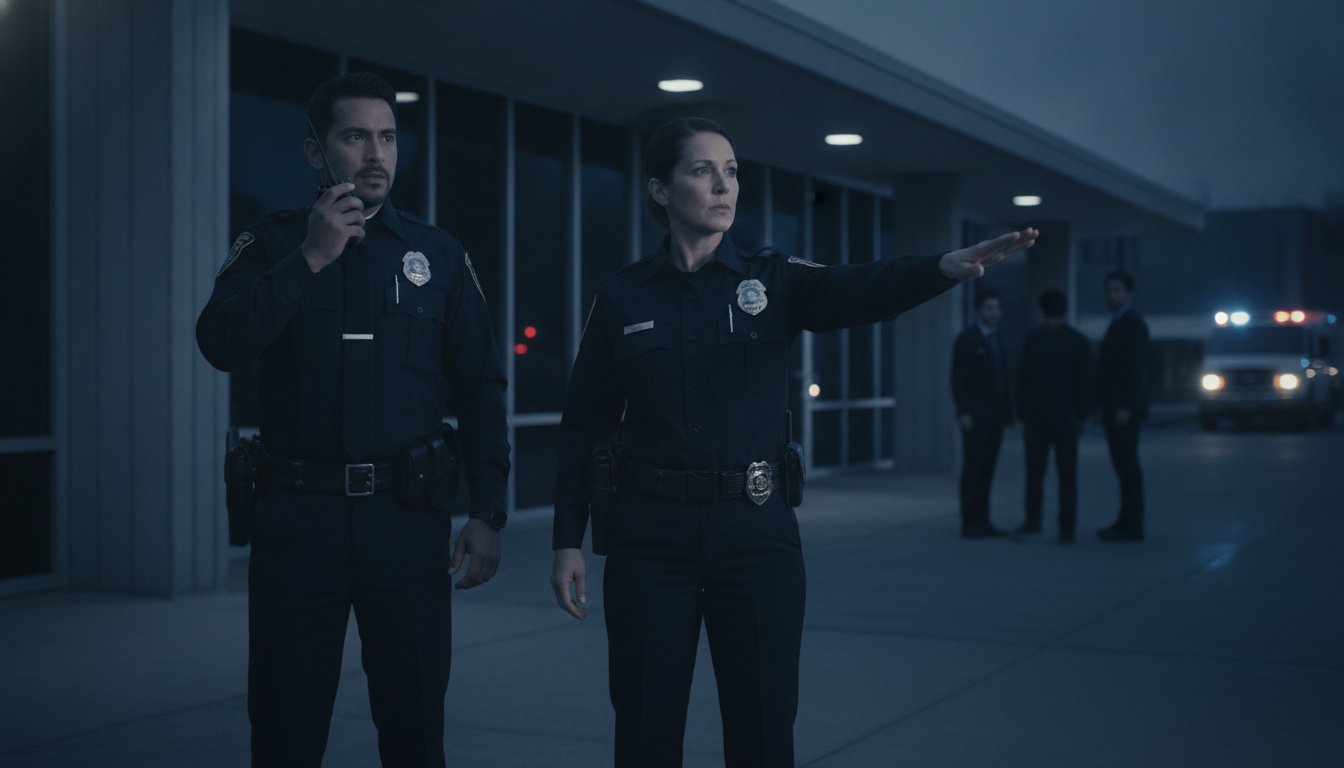
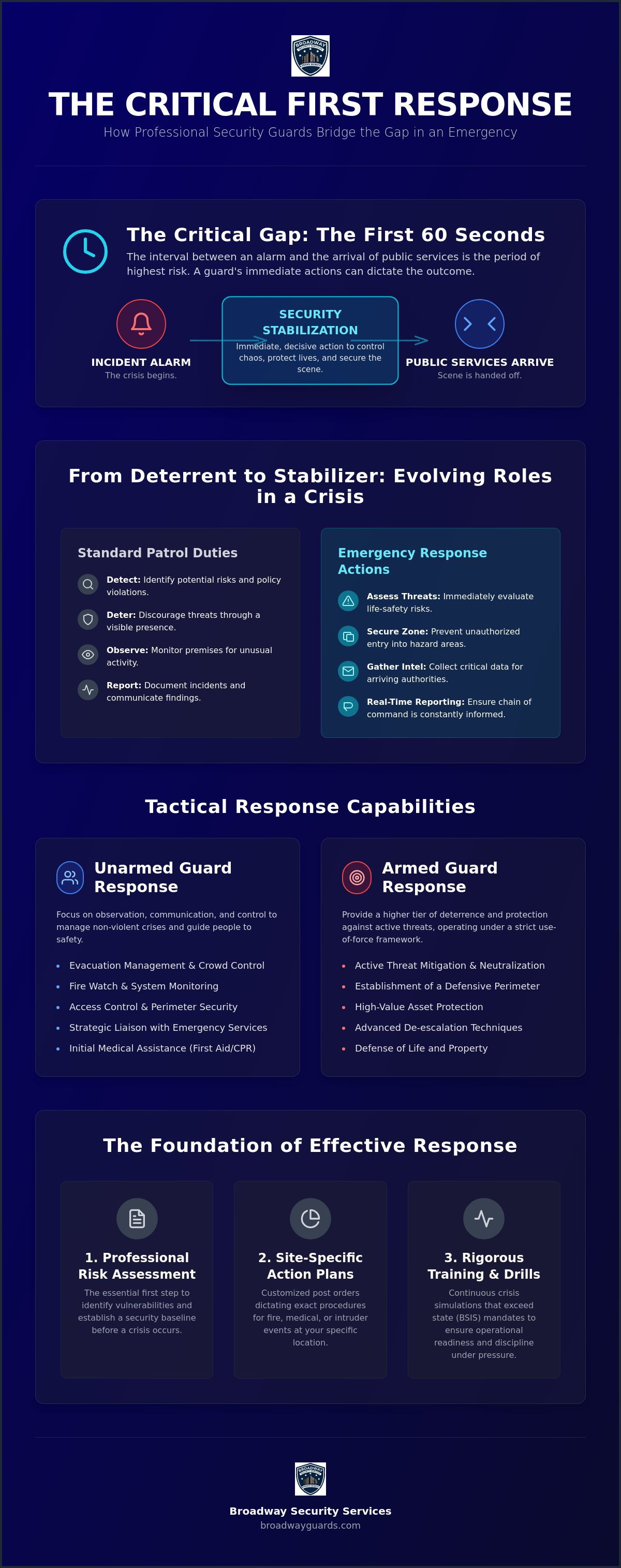
In a private commercial setting, the designation of situational first responder describes the personnel already positioned behind the perimeter when a crisis begins. While public emergency services are the ultimate authority, they’re often minutes away. The role of security guards in emergency response centers on their ability to pivot instantly from proactive patrolling to high-stakes reactive management. This transition requires a mindset of disciplined oversight where the guard transforms from a deterrent into an active stabilizer. Chaos is a vacuum; professional guards fill that vacuum with established protocols and a visible, uniform presence.

The core responsibilities of a professional Security guard are traditionally defined as detect, deter, observe, and report. During an emergency, these duties are refined for maximum speed and accountability. Detection becomes an immediate assessment of life-safety threats. Deterrence shifts to preventing unauthorized entry into a hazard zone. Observation involves gathering high-value intelligence for arriving authorities. Reporting happens in real time, ensuring that the chain of command remains informed. Data indicates that the first 60 seconds of an incident often determine the total liability and physical damage. A disciplined guard uses those seconds to execute pre-set orders rather than reacting with hesitation.

The Immediate Response Bridge

Professional security personnel function as the bridge between the initial alarm trigger and the arrival of public emergency services. This interval is the period of highest risk for asset loss and human injury. By maintaining a stoic, disciplined presence, guards prevent the escalation of panic that often leads to secondary injuries. The stabilization phase consists of the immediate, tactical actions taken to neutralize secondary threats and secure the perimeter before external agencies assume command. This bridge ensures that when the LAPD or LAFD arrives, they find a controlled environment rather than a chaotic scene.

Regulatory Standards and Training

California law requires specific training standards through the Bureau of Security and Investigative Services (BSIS). These mandates ensure that every guard understands the legal limits of their authority and the basics of emergency preparedness. Broadway Security exceeds these baseline requirements by implementing rigorous crisis simulations and site-specific training. This preparation begins long before an incident occurs, often starting with a detailed security risk assessment CA to identify vulnerabilities. We rely on site-specific post orders that dictate exact movements during fire, medical, or intruder events. This methodical approach ensures that the role of security guards in emergency response is grounded in legal compliance and operational rigor.

Tactical Response: Armed vs. Unarmed Roles in a Crisis

The tactical role of security guards in emergency response depends entirely on the nature of the crisis. A fire requires immediate evacuation and system management, while an active intruder demands containment and threat mitigation. Professional security agencies deploy personnel based on these specific risk profiles, ensuring that the response matches the high-stakes reality of the situation. This tiered approach allows for a disciplined shield that adapts to various environmental or human-driven disasters with military-like precision. It’s not just about presence; it’s about the specific training required to handle life-safety protocols under extreme pressure.

Armed Guard Capabilities

Armed personnel are deployed when the threat level involves potential violence or high-value asset targets. Their specific mandate focuses on active threat mitigation and the establishment of a defensive perimeter. According to Department of Justice research on private security, the integration of private forces into broader safety strategies has become a critical component of modern crime control. In Los Angeles, specialized armed security guard services Los Angeles provide a higher tier of deterrence through tactical positioning and rigorous de-escalation training. These guards operate within a strict legal framework for the use of force, prioritizing the defense of life and property while maintaining a stoic, vigilant presence. Their presence alone serves as a psychological barrier to criminal intent, often preventing an incident from escalating into a full-scale emergency.

Unarmed Guard Efficiency

While armed guards handle high-risk mitigation, unarmed security guards are the masters of communication and logistical control. In many emergency scenarios, such as medical incidents or fire alarms, the primary need is for rapid coordination and system oversight. Unarmed guards are trained in medical first aid, CPR, and the deployment of Automated External Defibrillators (AEDs), acting as the first point of care before paramedics arrive. They also manage critical building systems, including:

  • Monitoring and resetting fire alarm panels to provide accurate data to the LAFD.
  • Controlling elevator recall and service modes to ensure safe passage for first responders.
  • Securing access control points to facilitate the entry of public emergency services while keeping unauthorized persons out.

Their role of security guards in emergency response is indispensable in low-to-medium risk environments where orderly evacuation and clear communication are the priorities. They act as the eyes and ears of the facility, ensuring that every detail is recorded and communicated with professional clarity. For businesses in the San Fernando Valley, ensuring your site is protected by a professional force means understanding which tactical role best suits your specific operational needs.

Crowd Control and Evacuation: Transitioning Chaos to Order

Human psychology in a crisis is predictably volatile. When an alarm sounds or a threat is identified, the natural response often oscillates between paralysis and frantic, uncoordinated movement. The role of security guards in emergency response is to replace this panic with a rigid structure of movement. A disciplined voice doesn’t just provide information; it provides a psychological anchor for occupants who are looking for leadership. By establishing a clear chain of command, professional guards prevent the secondary injuries that occur when crowds converge on single exit points or disregard safety protocols.

Effective evacuation management requires more than just pointing toward an exit. It involves the strategic oversight of assembly points and the management of “Shelter-in-Place” orders. In scenarios involving external hazardous leaks or nearby active threats, the safest course of action is often to seal the perimeter rather than evacuate. Guards must be prepared to secure all entry points instantly and move occupants to internal safe zones. This responsibility extends to the protection of vulnerable populations, including non-ambulatory individuals or those with sensory sensitivities, ensuring that no person is left behind during the transition to safety.

The Evacuation Protocol

A methodical evacuation follows a three-step tactical framework to ensure total site clearance and accountability:

  • Immediate Notification: Guards use authoritative direction to override the noise of the emergency, moving groups toward pre-verified primary and secondary routes.
  • Zone Sweeping: Personnel conduct a physical sweep of designated areas, including restrooms and storage facilities, to confirm that all personnel have vacated the danger zone.
  • Perimeter Security: Once at the assembly point, guards maintain order and prevent frantic individuals from attempting to re-enter the building before it’s cleared by authorities.

Fire Watch and Early Detection

The role of security guards in emergency response is particularly critical when a building’s automated safety systems fail. In these instances, specialized fire watch services California become a legal and operational necessity. These guards provide the human oversight required to monitor hot spots and ensure that fire lanes remain unobstructed for the LAFD. They maintain rigorous fire watch logs that serve as both a safety record and a regulatory compliance document. This vigilant oversight ensures that even if a sprinkler system or smoke detector is offline, your assets remain under the care of a proactive, unyielding force that is ready to act at the first sign of combustion.
The Critical Role of Security Guards in Emergency Response: A Strategic Guide

The Strategic Liaison: Coordinating with Public Authorities

When public emergency services arrive on the scene, the role of security guards in emergency response evolves from active stabilization to strategic coordination. The LAPD and LAFD depend on immediate, actionable intelligence to execute their missions safely. Professional guards serve as the eyes and ears on the ground, providing details that sensors and cameras might miss. This includes real-time suspect descriptions, last known locations of individuals, and the identification of hidden hazards like chemical storage or structural weaknesses. By serving as a disciplined point of contact, security personnel ensure that responding officers don’t enter a situation blind.

Efficiency during this handoff prevents delays that could result in further asset loss or injury. Our personnel facilitate rapid site access by providing master keys and bypass protocols, ensuring that first responders don’t lose precious seconds forced to breach locked perimeters. After the incident concludes, the guard’s duty continues through the creation of a comprehensive post-incident report. This document establishes the legal and operational record of the event, which is essential for insurance claims and liability defense. A precise record demonstrates that all protocols were followed with the utmost gravity.

Information Handover Procedures

A disciplined handover requires concise, accurate radio and verbal briefings. Broadway Security personnel are trained to provide floor plans and digital access to responding officers immediately upon their arrival. We utilize the S.A.L.U.T.E. report format to ensure that intelligence is structured and free of ambiguity. This reporting standard captures the Size, Activity, Location, Unit, Time, and Equipment involved in the incident, giving authorities a complete tactical picture in seconds. To ensure your facility is prepared for this level of coordination, consider the professional oversight provided by Broadway Security Services.

Traffic and Perimeter Management

Congested areas in the San Fernando Valley can significantly delay emergency vehicle access. Security guards take immediate control of traffic flow, clearing paths for LAFD engines and LAPD cruisers to ensure they reach the heart of the crisis without obstruction. Beyond traffic, maintaining a secure perimeter is vital for the safety of the public and the efficiency of the response. Guards manage media presence and curious bystanders at the scene boundary, allowing first responders to work unimpeded by external interference. This level of methodical oversight ensures that the transition from private security to public authority is seamless and secure.

Crisis Management: Strategic Preparation with Broadway Security

The role of security guards in emergency response is fundamentally defined by the work performed months before a crisis occurs. Reactive measures alone are insufficient for modern high-stakes environments. True safety is built on a foundation of rigorous foresight and methodical planning. This process begins with a comprehensive security risk assessment CA to identify every potential failure point. By mapping vulnerabilities ahead of time, we ensure that our guards aren’t guessing when an incident triggers; they’re executing a pre-validated tactical plan.

Developing site-specific Emergency Action Plans (EAPs) is a core component of our disciplined shield approach. These plans provide a clear, unyielding framework for every foreseeable scenario, from natural disasters to active human threats. This level of strategic preparation directly impacts your bottom line by reducing insurance premiums and limiting legal liability. Underwriters recognize that professional oversight and documented protocols significantly lower the risk profile of a commercial facility. When you prioritize professional discipline, you’re investing in long-term asset protection and institutional peace of mind.

Identifying Vulnerabilities in Canoga Park

Operating in the San Fernando Valley requires an understanding of specific regional risks. These range from seismic activity and wildfires to the urban security challenges inherent in a major metropolitan area. For high-value projects, our construction site security guards are trained to manage these specific environmental and logistical threats. We integrate mobile patrol services to provide large-scale facility oversight, ensuring that even sprawling perimeters remain under vigilant care. This localized expertise allows us to tailor response protocols that address the unique hazards of your specific location.

The Broadway Security Advantage

Broadway Security represents a commitment to military-like precision and unyielding vigilance. Our personnel don’t just stand watch; they serve as a proactive force dedicated to the preservation of life and property. We maintain the Broadway standard through continuous oversight and disciplined training updates that exceed state mandates. This ensures that every guard remains sharp and every protocol remains current. We invite you to elevate your safety standards through professional consultation and long-term crisis management strategies. Secure your facility with a professional risk assessment from Broadway Security.

Securing Your Future Through Strategic Readiness

Operational safety is never a matter of chance; it’s the direct result of methodical oversight and rigorous training. You’ve seen how the transition from proactive patrolling to tactical crisis management requires a disciplined shield that can withstand the pressure of an evolving threat. Whether managing a complex evacuation or serving as a strategic liaison for public authorities, the professional role of security guards in emergency response provides the stability your organization needs to protect life and property. Chaos is neutralized when protocols are executed with military-like precision.

As a Licensed California Security Provider with deep expertise in high-stakes crisis management, Broadway Security delivers disciplined personnel trained for immediate response. We prioritize legal compliance and operational rigor to ensure your assets remain under the care of an unyielding force. Don’t wait for a crisis to expose vulnerabilities in your perimeter. Request a Strategic Security Consultation for Your Property today and ensure your facility is prepared for any scenario. Your safety is our unwavering commitment.

Frequently Asked Questions

Are security guards legally considered first responders in California?

Security guards are not legally classified as public first responders in the state of California. They function as situational responders who provide immediate stabilization on private property until public authorities arrive. This distinction is critical for understanding the legal scope of their authority and the specific role of security guards in emergency response within a commercial or residential context.

Can security guards perform CPR or use an AED during a medical emergency?

What is the difference between armed and unarmed guards during a fire emergency?

During a fire emergency, both armed and unarmed guards prioritize evacuation and communication, though their tactical focus may differ. Unarmed guards often manage fire panels and guide occupants to safety. Armed guards maintain a defensive perimeter to prevent unauthorized entry and protect assets during the chaos. Both roles emphasize the methodical oversight required to ensure a total site clearance.

How do security guards assist the police during an active shooter situation?

Security guards assist law enforcement by providing real-time intelligence and facilitating immediate site access. They communicate suspect descriptions, last known locations, and the status of wounded individuals through structured reporting formats. By securing perimeters and managing access control, they allow responding officers to focus entirely on neutralizing the threat without logistical delays.

Does having a security guard reduce my business liability during an emergency?

Implementing professional security services can significantly reduce your business liability by ensuring that emergency protocols are followed with precision. Documentation provided by guards serves as a legal record that the property owner took reasonable steps to protect occupants and assets. This adherence to rigorous operational standards demonstrates a commitment to safety that is essential for insurance and legal defense.

What training do Broadway Security guards receive for crisis management?

Broadway Security guards undergo comprehensive training that exceeds the baseline California BSIS requirements for emergency preparedness. Our personnel engage in site-specific crisis simulations that cover fire response, medical emergencies, and intruder mitigation. This continuous oversight ensures that every guard is prepared to act as a disciplined shield, maintaining order regardless of the situation’s complexity.

How quickly can Broadway Security deploy emergency fire watch services?

Broadway Security maintains a structured deployment protocol to address urgent fire watch requirements in the San Fernando Valley. We recommend that clients contact our office to discuss specific site needs and deployment timelines. Our team is prepared to mobilize disciplined guards to monitor hot spots and maintain fire logs whenever building safety systems are compromised.

What information should a security guard provide to the fire department upon arrival?

Guards must provide the fire department with immediate data regarding the location of the alarm trigger and the status of the fire panel. They also deliver floor plans, identify hazardous materials on-site, and confirm whether all occupants have been accounted for at assembly points. This role of security guards in emergency response ensures that the LAFD has the tactical intelligence needed to begin operations immediately.
How to Conduct a Professional Security Risk Assessment in California: A Definitive Guide

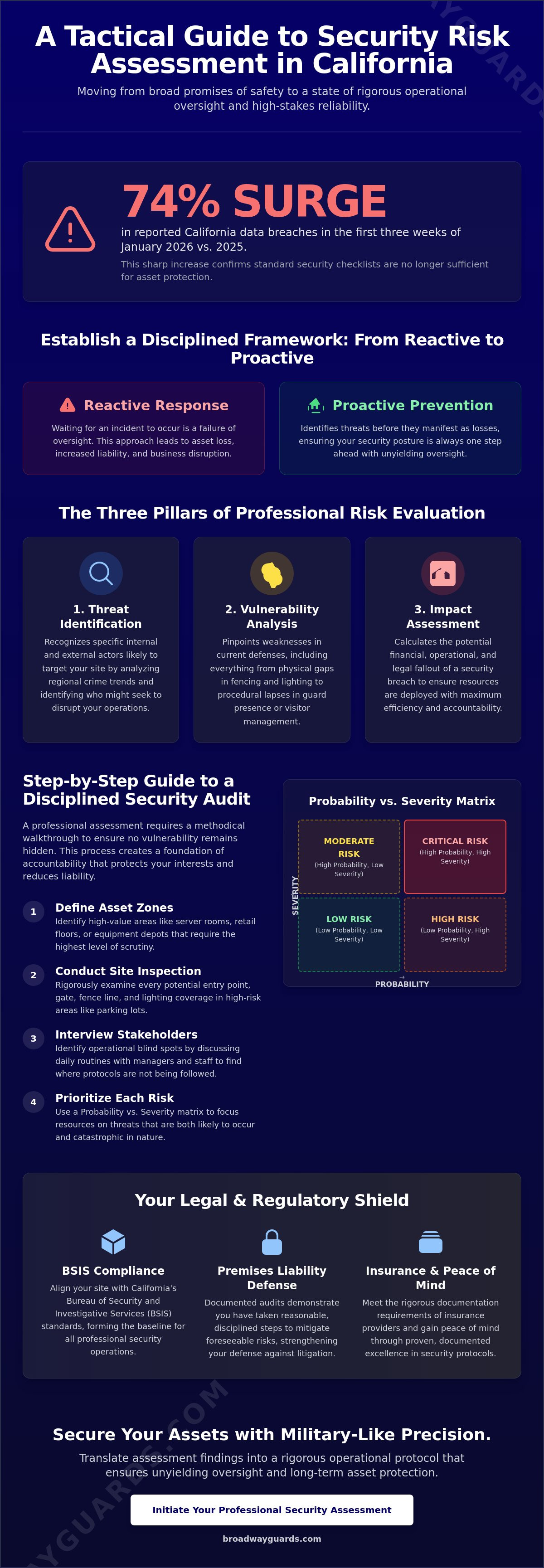
In the first three weeks of January 2026, reported data breaches in California surged by 74 percent compared to the same period in 2025. This sharp increase in risk, combined with rising crime rates across Southern California, confirms that a standard security checklist is no longer sufficient for asset protection. You likely recognize that ineffective security measures are a significant liability under complex state laws. Conducting a professional security risk assessment CA is a tactical necessity to ensure your facility remains under the care of a vigilant and unyielding force.

You understand that true safety requires a disciplined approach rather than a reactive one. This guide provides the professional framework needed to identify vulnerabilities and protect your assets with military-like precision. We will outline the methodical process of evaluating physical threats, addressing insider risks, and meeting the newest California Privacy Protection Agency requirements. By following this structured guide, you’ll move from broad promises of safety to a state of rigorous operational oversight and high-stakes reliability.

Key Takeaways

  • Establish a disciplined framework to transition your security strategy from reactive responses to proactive prevention.
  • Learn the methodical process of defining high-value asset zones and conducting a rigorous site inspection.
  • Master the tactical requirements of a professional security risk assessment CA to mitigate regional crime trends and navigate complex liability laws.
  • Evaluate why professional personnel outmatch technology alone and how to audit guard performance for maximum accountability.
  • Translate assessment findings into a rigorous operational protocol that ensures unyielding oversight and long-term asset protection.

Understanding the Security Risk Assessment Framework in California

Professional security is not a matter of chance; it’s a product of rigorous discipline. A security risk assessment CA serves as a comprehensive audit designed to expose every physical and operational vulnerability within a facility. This framework functions as a disciplined shield, ensuring that business continuity remains intact while assets are protected under a vigilant and unyielding force. The core objective is a strategic shift from reactive response to proactive prevention. Waiting for an incident to occur is a failure of oversight. Instead, a professional framework identifies threats before they manifest as losses, ensuring that your security posture is always one step ahead of potential intruders.

California businesses operate in a landscape of high urban density and complex legal precedents. These factors increase the likelihood of security incidents and the severity of subsequent litigation. Whether you are managing a retail environment or a construction site, the density of the San Fernando Valley or Greater Los Angeles demands a higher standard of vigilance. A disciplined assessment provides the oversight necessary to maintain order. It creates an atmosphere of high-stakes reliability where assets are never left to chance and every protocol is executed with military-like precision.

The Three Pillars of Professional Risk Evaluation

Establishing a robust risk assessment framework requires a focus on three fundamental pillars. First, threat identification recognizes the specific internal and external actors likely to target a site. This involves analyzing regional crime trends and identifying who might seek to disrupt your operations. Second, vulnerability analysis pinpoints weaknesses in current defenses. This includes everything from lighting gaps to lapses in guard presence. Third, impact assessment calculates the potential financial and legal fallout of a security breach. This methodical approach ensures that security resources are deployed with maximum efficiency and accountability.

Regulatory Standards and BSIS Compliance

Compliance with the Bureau of Security and Investigative Services (BSIS) is the baseline for security operations in California. Professional assessments align your site with these state standards and meet the rigorous requirements of insurance providers. Documented audits are essential for a strong premises liability defense. They demonstrate that a property owner has taken reasonable, disciplined steps to mitigate foreseeable risks. Without this documentation, a business remains legally exposed to the consequences of criminal activity. A professional assessment grounds your security claims in legal and regulatory reality, providing peace of mind through documented excellence.

A Step-by-Step Guide to Conducting Your Security Audit

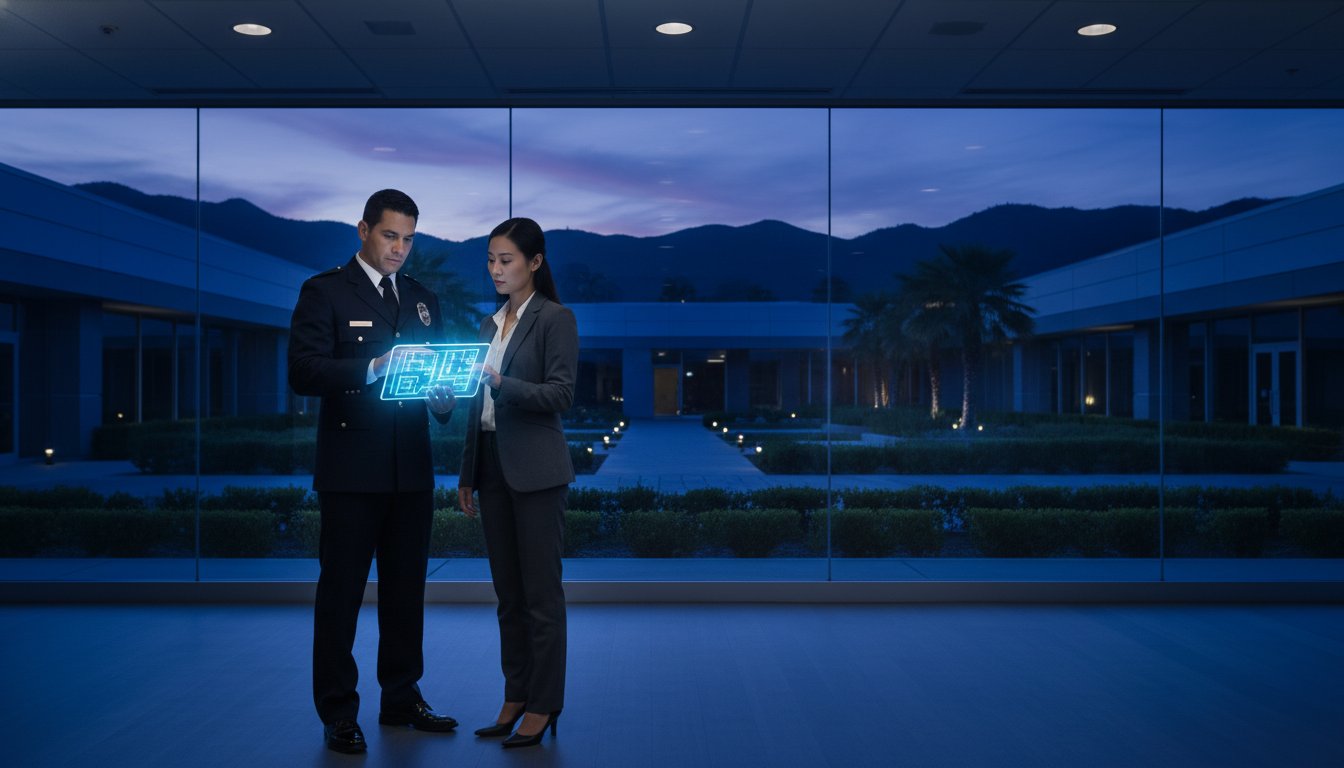
Order begins at the property line. A professional security risk assessment CA requires a disciplined, step-by-step walkthrough to ensure no vulnerability remains hidden. This process starts with establishing a clear assessment perimeter. You must define high-value asset zones, identifying exactly where your most critical resources reside. Whether it’s a server room, a high-end retail floor, or a construction equipment depot, these zones require the highest level of scrutiny. A methodical site inspection isn’t a casual stroll. It’s a rigorous examination of every potential entry point for chaos. By documenting findings with military-like precision, you create a foundation of accountability that protects your interests and reduces liability.

During the walkthrough, don’t overlook the human element. Interviewing stakeholders and site managers is essential to identifying operational blind spots in daily routines. These conversations often reveal that protocols aren’t being followed or that certain gates are left propped open for convenience. Once you’ve gathered this intelligence, prioritize each risk using a Probability vs. Severity matrix. This tool allows you to focus resources on threats that are both likely to occur and catastrophic in nature, ensuring your security budget is deployed with maximum efficiency.

Phase 1: Perimeter and Access Control Audit

The first line of defense is your physical boundary. Test every gate, fence line, and entry point for unauthorized access potential. A loose latch or a gap in a perimeter fence isn’t just a maintenance issue; it’s a security failure. Lighting is equally critical. Evaluate coverage in high-risk areas like parking lots and loading docks to ensure there are no shadows where threats can hide. Finally, audit your visitor management protocols. Every person entering the site must be identified and logged according to strict standards. Maintaining a disciplined security presence at these access points is the most effective way to deter unauthorized entry.

Phase 2: Internal Systems and Personnel Review

Technology must be matched by human vigilance. Verify the placement and functionality of every surveillance camera and alarm system. Cameras alone aren’t a strategy; they’re a tool that requires oversight. Assess the visibility and discipline of your existing guard staff, whether they’re armed or unarmed. Look for signs of alertness and reporting accuracy. For California construction sites, reviewing fire watch compliance is a mandatory step to prevent catastrophic loss. Every guard must understand their role as a disciplined shield, ensuring that your assets remain under the care of a vigilant and unyielding force.

Identifying California-Specific Vulnerabilities and Threats

California’s security environment is uniquely challenging. High urban density in the San Fernando Valley and Greater Los Angeles creates a target-rich environment for criminal actors. A professional security risk assessment CA must account for these regional crime trends with surgical precision. It’s not just about general safety. It’s about understanding local dynamics. The homelessness crisis has introduced new complexities for commercial property owners. Trespassing and loitering require a disciplined response that balances legal compliance with firm asset protection. This ensures your property remains a secure, orderly environment under the care of a vigilant force.

State laws regarding guard intervention and loss prevention are notoriously complex. You must ensure your security protocols align with these regulations to avoid costly litigation. Environmental risks also demand attention. Fire watch services are often a regulatory necessity for construction zones and facilities with compromised alarm systems. A disciplined protector doesn’t just watch for intruders. They maintain a vigilant eye on all potential hazards to ensure business continuity. This level of oversight is what separates a professional operation from a reactive one. Every protocol must be executed with military-like precision to maintain a sense of order.

High-Risk Sectors in Southern California

Construction sites face constant threats from high-value equipment theft and vandalism. Retailers must combat sophisticated organized retail crime (ORC) strategies that bypass standard alarms. Hospitals require specialized hospital security protocols to manage high-traffic, high-stress environments where patient safety is paramount. Each sector demands a tailored application of the disciplined shield framework. Whether you need construction site security or loss prevention services, the approach must be methodical and unyielding. We prioritize the core values of presence and prevention to ensure your assets remain secure.

Legal Liability and the “Duty to Protect”

California courts look at “foreseeability” in premises liability cases. If a crime was predictable based on local trends, the property owner may be held liable for damages. Negligent security lawsuits carry significant financial risk. Using a documented risk assessment serves as professional evidence of reasonable security measures. It proves you exercised due diligence and maintained rigorous operational standards. This documentation acts as a legal shield, grounding your professional claims in regulatory reality. It provides the peace of mind that your assets are under the care of a vigilant and unyielding force. Reliability is not a promise; it’s a documented standard of quality.

How to Conduct a Professional Security Risk Assessment in California: A Definitive Guide

Evaluating the Effectiveness of Your Current Security Posture

Technology often provides a false sense of security. While cameras are useful for post-incident reporting, they don’t offer the active deterrence of a disciplined protector. A security risk assessment CA must evaluate if your current hardware is merely observing or actually preventing loss. We apply the “Broken Windows” theory in a commercial context; visible maintenance and order signal that a site is under rigorous oversight. Deterrence is achieved through the presence of a vigilant force, not just a recording device. If your facility shows signs of neglect, it invites disorder. Maintaining a pristine, well-lit perimeter is the first step in demonstrating that your assets are protected by an unyielding force.

Testing response times is a critical component of this evaluation. You must verify how quickly your communication chain functions during a simulated breach. If your current protocols rely on delayed notifications or unmonitored alarms, you have a single point of failure. A professional framework demands accountability at every level of the command structure. Auditing guard performance is equally vital. You should look for discipline, alertness, and reporting accuracy. A guard who lacks a structured reporting protocol is a liability, not an asset. Every patrol must be documented with precision to ensure that oversight is both consistent and methodical.

The Role of Professional Guard Presence

Choosing between armed security guards and unarmed security guards depends on your specific risk profile and the nature of the threats identified. In high-density areas like Canoga Park, mobile patrol services are often necessary for large perimeters where static posts leave gaps. Professional oversight transforms a guard from a bystander into a disciplined shield. This transition is marked by a visible commitment to duty and the ability to manage high-stakes reliability. When guards are trained to lead with a standard of quality, the outcome is a higher level of protection for your personnel and property.

Gap Analysis: Bridging the Distance Between Current and Ideal

Identifying single points of failure is the primary goal of a gap analysis. You must determine if a single compromised entry point or a distracted monitor could jeopardize the entire facility. A cost-benefit analysis often reveals that increasing personnel provides a higher return on safety than simply adding more hardware. This phase creates a roadmap for immediate, short-term, and long-term security improvements. To ensure your assets are under the care of a vigilant and unyielding force, you should request a professional security consultation to address these identified gaps with precision.

Implementing a Professional Security Management Plan

A document is not a defense. Translating the findings of your security risk assessment CA into a rigorous operational protocol is the only way to ensure your assets remain secure. This implementation phase requires a command structure that prioritizes accountability above all else. You must move from the theoretical identification of gaps to the physical deployment of countermeasures. Every vulnerability discovered during the audit phase demands a specific, documented response. This ensures that your security posture isn’t just a plan on a page but a living, breathing system of protection.

California’s environment is dynamic. Changes in local legislation or regional crime trends can render an old plan obsolete. Continuous oversight and periodic reassessments are mandatory to maintain site integrity. Integrating professional consultation provides the objective perspective needed to identify new threats before they impact your bottom line. By establishing a rhythm of methodical oversight, you ensure that your facility remains under the care of a vigilant and unyielding force. Reliability is a product of consistent application, not occasional effort.

The Broadway Security Approach to Risk

We utilize project-based risk assessment fees to provide comprehensive site evaluations that leave no stone unturned. This structure allows for a deep dive into your facility’s specific needs without the ambiguity of hourly billing for the audit phase. Once vulnerabilities are identified, we deploy highly trained personnel to serve as your disciplined shield. Whether the situation requires armed security guards or specialized retail security, our staff operates with military-like precision. Professional oversight is the anchor of our reliability, ensuring that every post is manned by a protector who values rules and protocols above all else.

Moving from Assessment to Action

Order is maintained through action. We draft customized security contracts that evolve with your facility’s needs, ensuring your protection never stagnates. This might involve the integration of mobile patrol services for expansive perimeters or the placement of dedicated site guards for high-value internal zones. Maintaining constant vigilance is a standard of quality that links professional discipline directly to the outcome of protection. You can take the first step toward total site protection by contacting our Woodland Hills office to discuss your specific requirements. Moving from assessment to action is the definitive way to secure your peace of mind and protect your California assets.

Establishing a Disciplined Standard of Protection

Securing a facility in Southern California demands more than just technology; it requires a commitment to order and vigilance. By identifying vulnerabilities through a professional security risk assessment CA, you transition from a state of vulnerability to one of high-stakes reliability. This disciplined approach ensures that your assets remain under the care of a vigilant and unyielding force, meeting the rigorous standards expected by state regulators and insurance providers.

Broadway Security Services provides the professional oversight necessary to maintain business continuity in high-risk environments. Our BSIS-certified personnel bring military-style oversight to every post, ensuring that your protocols are executed with precision. Secure Your Assets: Request a Professional Risk Assessment from Broadway Security. Take control of your site’s safety today and establish a standard of protection that stands as a disciplined shield against disorder.

Frequently Asked Questions

What is included in a professional security risk assessment in California?

A professional assessment includes a methodical walkthrough of the site perimeter, access points, and high-value asset zones. Analysts evaluate the effectiveness of current technology and personnel while conducting stakeholder interviews to uncover operational blind spots. The final deliverable is a disciplined report that prioritizes vulnerabilities using a probability versus severity matrix. This ensures that resources are allocated with military-like precision to mitigate the most critical threats first.

How often should a California business perform a security audit?

Businesses should conduct a formal audit annually to maintain a rigorous standard of protection. However, immediate reassessments are necessary following a significant crime surge in the local area or major changes to the facility’s layout. Consistent oversight ensures your security posture remains a disciplined shield against evolving threats. Regularly scheduled reviews demonstrate a commitment to duty and help prevent the gradual decay of security protocols over time.

Does California law require businesses to have a security risk assessment?

As of January 1, 2026, new CCPA regulations require businesses processing personal data that presents a “significant risk” to conduct formal assessments. Beyond data privacy, California premises liability laws place a “duty to protect” on property owners if criminal activity is foreseeable. Completing a security risk assessment CA provides documented evidence that you’ve taken reasonable steps to identify and mitigate physical threats. This documentation acts as a critical legal defense in the event of a security breach.

What is the difference between a security survey and a risk assessment?

A security survey is a categorical inventory of existing hardware and protocols, whereas a risk assessment is an analytical evaluation of threats. The survey tells you what you have; the assessment tells you how likely those assets are to be compromised. A professional assessment focuses on the impact of a breach, calculating potential financial and legal fallout. It moves beyond a simple checklist to provide a strategic roadmap for unyielding asset protection.

Can a security risk assessment lower my insurance premiums in CA?

Insurers in California frequently offer premium credits or improved coverage terms for businesses that provide documented evidence of risk mitigation. By presenting a professional security risk assessment CA, you demonstrate a proactive approach to liability reduction. This signals to the insurer that your assets are under the care of a vigilant force. You should consult with your specific provider to verify which mitigation steps, such as professional guard presence, qualify for these financial incentives.

How do I choose between armed and unarmed guards for my facility?

The choice depends on the severity of the threats identified during your assessment and the value of the protected assets. Armed security guards are typically deployed in high-risk environments where the potential for violent confrontation is elevated. Unarmed security guards are effective for standard access control, retail environments, and general deterrence. A disciplined protector evaluates the specific risk profile of the site to ensure the force level is appropriate for the mission.

What are the specific fire watch requirements for CA construction sites?

Fire watch services are mandatory under the California Fire Code when a required fire protection system is out of service for more than four hours. On construction sites, dedicated personnel must be present during “hot work” activities and for a specified period afterward to detect smoldering fires. These individuals must have no other duties except fire watch. Their presence ensures that the site remains under constant, methodical oversight to prevent catastrophic property loss.

How long does a typical physical security risk assessment take to complete?

The duration of a physical assessment depends entirely on the size and complexity of the facility. A standard commercial site typically requires one to three days for the on-site walkthrough and stakeholder interviews. The subsequent data analysis and report generation usually take an additional one to two weeks. This structured timeline ensures that the final management plan is drafted with the precision and depth required for high-stakes reliability.