Is your current security plan a proactive shield or merely a reactive liability waiting to happen? In a city where the 2026 LA County Fair expects 800,000 visitors, event security risk management Los Angeles requires more than just a visible presence. It demands tactical precision and an unyielding commitment to order. You understand that missing a single LAFD permit deadline or failing to vet personnel according to Senate Bill 652 standards can jeopardize your entire operation. The fear of liability during a crowd incident is a weight every organizer carries, especially when navigating the complex requirements of the LAPD and LAFD.
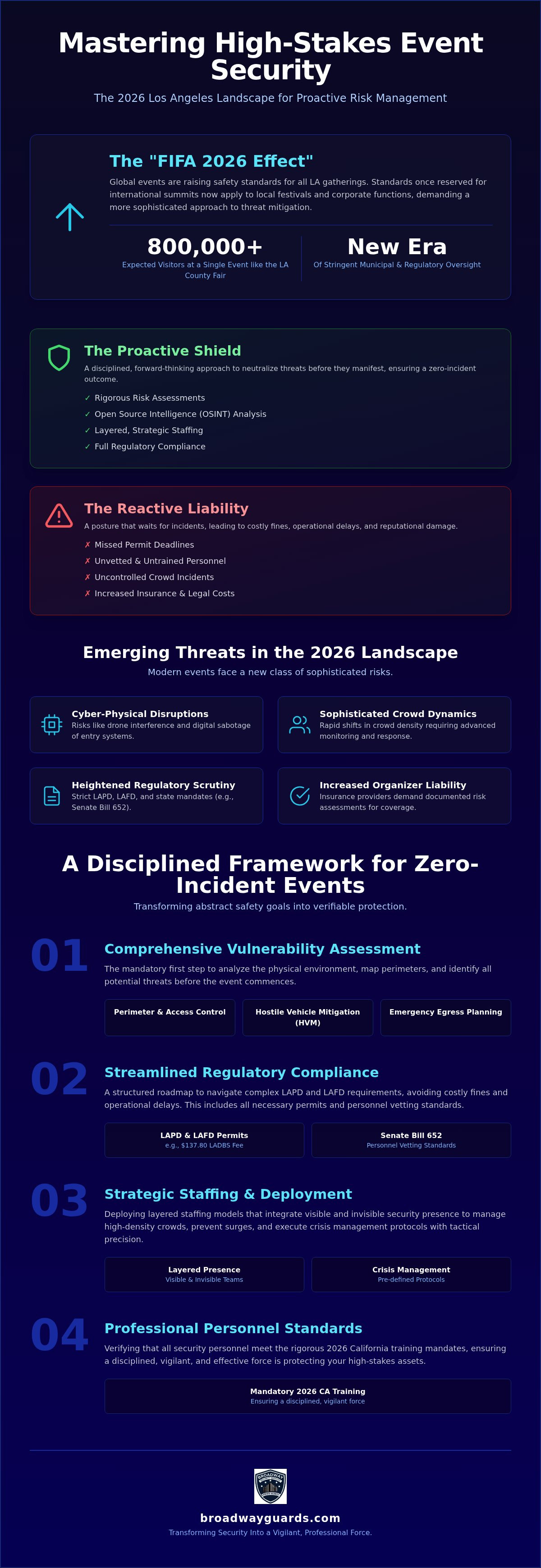
This strategic guide provides the disciplined framework you need to master high-stakes safety. We’ll show you how to achieve a zero-incident event through rigorous risk assessment and professional oversight. You’ll gain a clear understanding of the 2026 regulatory landscape, including the $137.80 LADBS permit fees and the strict new training mandates for security personnel. By the end of this article, you’ll have the tools to transform your security from a standard service into a vigilant, professional force that ensures full compliance and absolute peace of mind.
Key Takeaways
- Understand how the “FIFA 2026 Effect” is raising the threshold for safety standards across all Los Angeles gatherings, requiring a more sophisticated approach to threat mitigation.
- Execute a professional vulnerability assessment to establish secure perimeters, ensuring that event security risk management Los Angeles remains a proactive shield rather than a reactive liability.
- Streamline your regulatory compliance by following a structured roadmap for LAPD and LAFD permit requirements to avoid costly fines and operational delays.
- Deploy layered staffing models that integrate visible and invisible security presence to manage high-density crowds and prevent surges with tactical precision.
- Verify that your security personnel meet the rigorous 2026 California training mandates to ensure a disciplined, vigilant force is protecting your high-stakes assets.
Event Security Risk Management in Los Angeles: The 2026 Landscape
Event security risk management Los Angeles is the systematic identification and mitigation of threats to people, property, and reputation. It’s no longer just about placing guards at a door. The “FIFA 2026 Effect” has fundamentally altered the security culture in Southern California. Global eyes are on the region; this has forced municipal agencies to implement more stringent oversight for every type of gathering. This shift means even small corporate functions or local festivals must now adhere to standards previously reserved for international summits. A disciplined shield approach is the only way to maintain order amidst these heightened expectations.
2026 brings new challenges that require a vigilant posture. Cyber-physical disruptions, such as drone interference or digital sabotage of entry systems, are real risks. Crowd dynamics have also become more sophisticated. Large groups can shift rapidly, requiring security teams to be observant and prepared for sudden changes in density. This environment demands a professional personality that values protocols and visible results above all else. Success is defined by a zero-incident outcome achieved through methodical oversight.
The Evolution of Los Angeles Event Safety Standards
Transitioning from reactive guarding to proactive threat monitoring is essential for modern compliance for event security risk management Los Angeles. Broadway Security Services utilizes OSINT (Open Source Intelligence) during pre-event planning to identify potential disruptions before they manifest. This involves analyzing digital signals and public sentiment to anticipate crowd behavior. Organizers face increased liability in 2026. Insurance providers now demand documented risk assessments as a prerequisite for coverage. Professional discipline is the foundation of this new regulatory reality; it turns abstract safety goals into a verifiable shield for your assets.
High-Stakes Environments in the San Fernando Valley
High-stakes environments in the San Fernando Valley present unique logistical hurdles. For corporate events in Canoga Park or Woodland Hills, managing perimeters requires a deep understanding of local urban layouts. Open-air festivals in the Valley need robust secondary perimeters to prevent unauthorized access. Enclosed venues require different tactical protocols focused on high-density egress. Broadway Security Services leverages its Canoga Park base for rapid deployment across the SFV. This proximity ensures that local knowledge informs every safety decision, from traffic flow to emergency responder access routes.
Conducting a Comprehensive Vulnerability Assessment for LA Venues
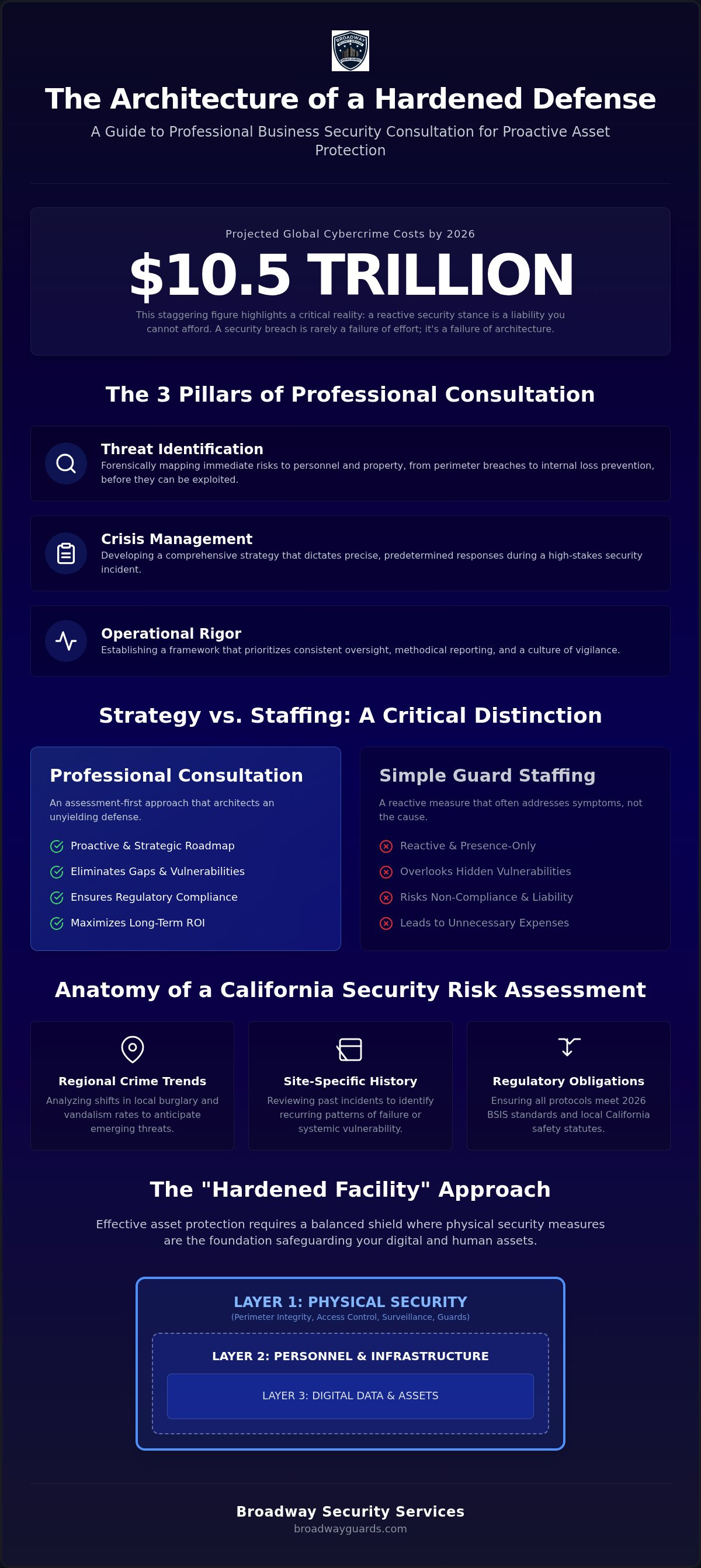
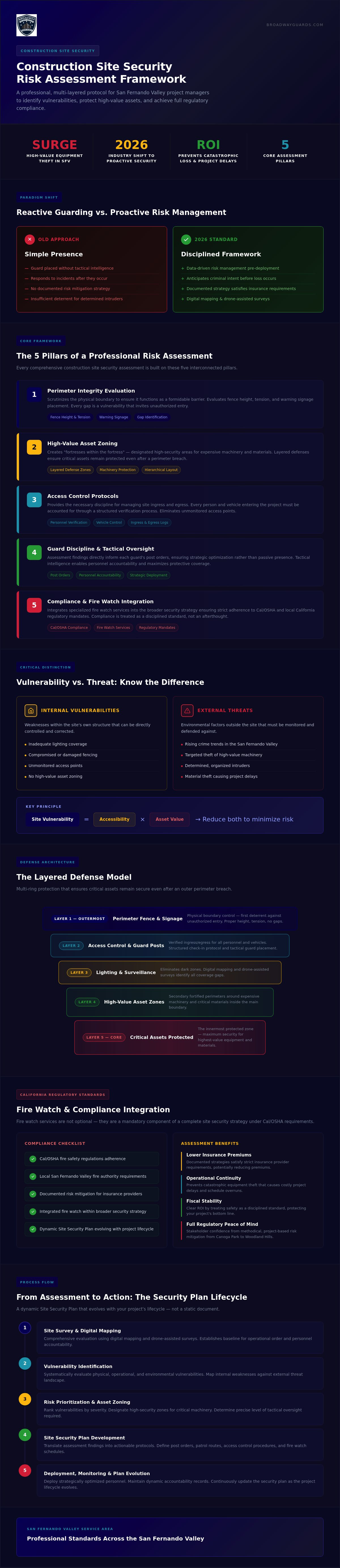
Effective event security risk management Los Angeles begins with a cold, analytical look at the physical environment. Deploying personnel without a strategic blueprint is a liability that no professional organizer can afford. Broadway Security Services treats the vulnerability assessment as a mandatory first step. It transforms a venue from a collection of open spaces into a fortified environment. This methodical oversight ensures every potential threat is identified and neutralized before the event commences.
Our tactical approach involves mapping primary and secondary perimeters within the complex urban landscape of Los Angeles. We analyze entry and egress points with dual priorities: the smooth flow of patrons and the unimpeded access of emergency services. This balance is critical for maintaining order during high-density gatherings. A disciplined shield relies on this foundation of data to provide unyielding protection. If you’re planning a high-stakes gathering, initiating a specialized project-based risk assessment is the most effective way to secure your assets.
Step 1: Perimeter and Access Control Analysis
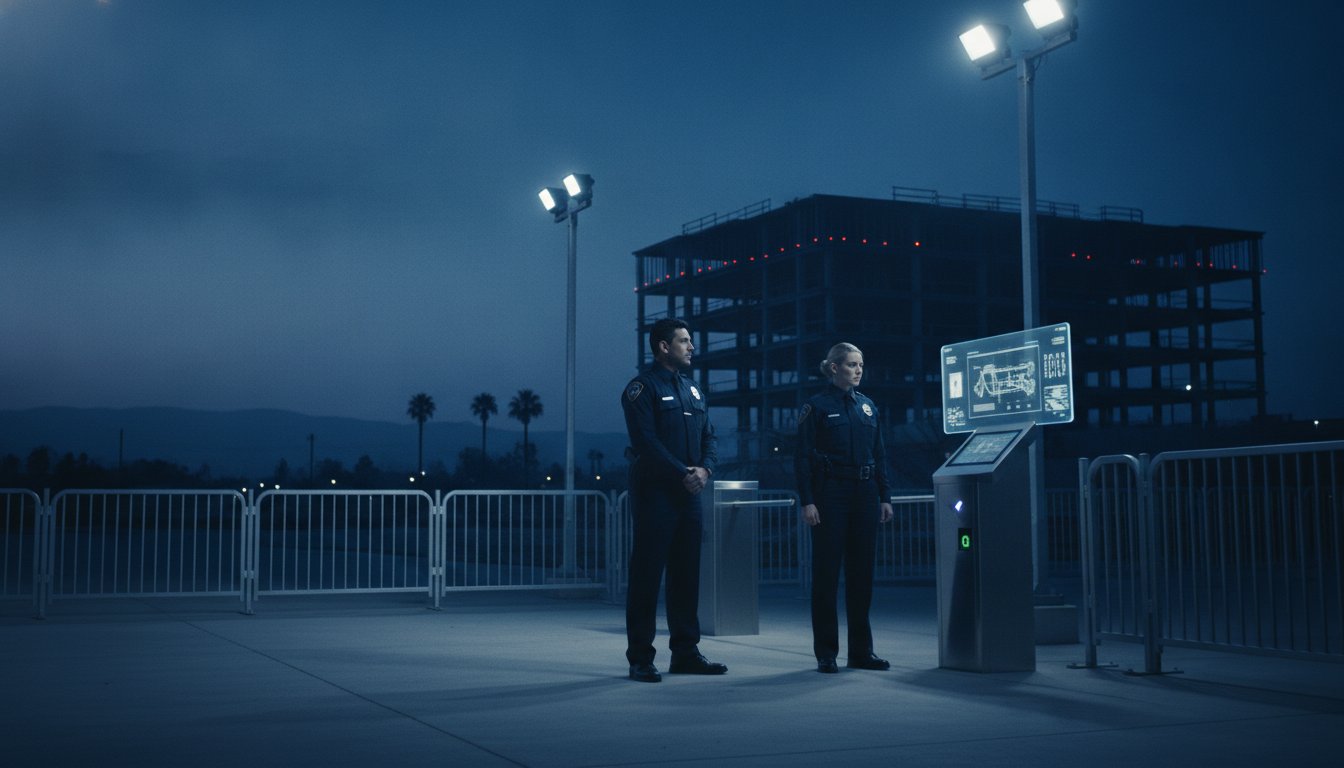
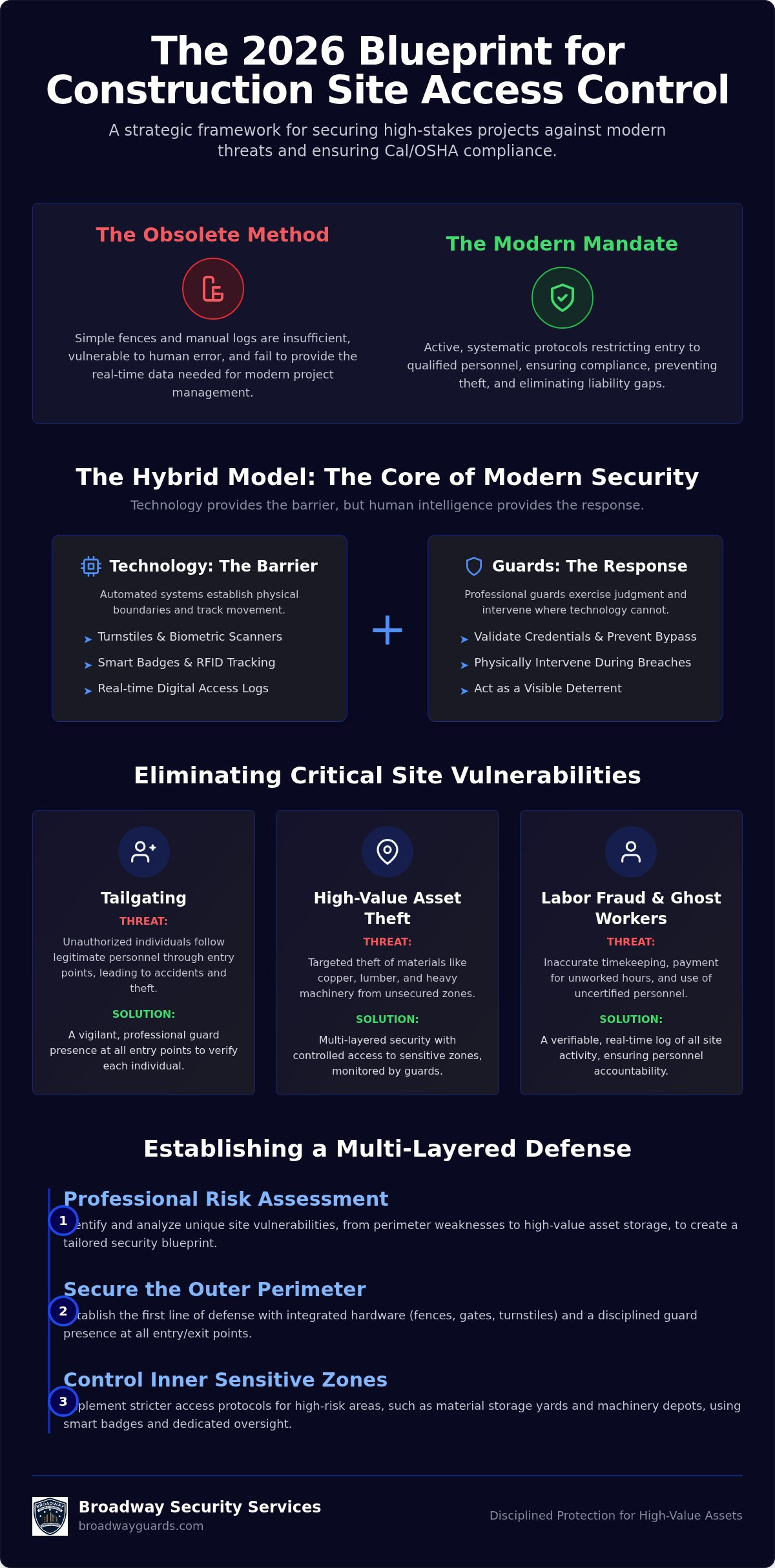
Street-facing events in high-traffic areas require robust hostile vehicle mitigation (HVM) strategies to prevent unauthorized incursions. We evaluate the integrity of physical barriers and the effectiveness of lockdown procedures. Emergency exit routes must remain clear and functional under all conditions. Access control for high-profile VIP events is the rigorous verification of credentials to ensure only authorized individuals penetrate the inner security sanctum. This layer of security prevents unauthorized entry into sensitive zones, maintaining the hierarchy of the venue’s safety plan.
Step 2: Internal Protocol and Technology Audit
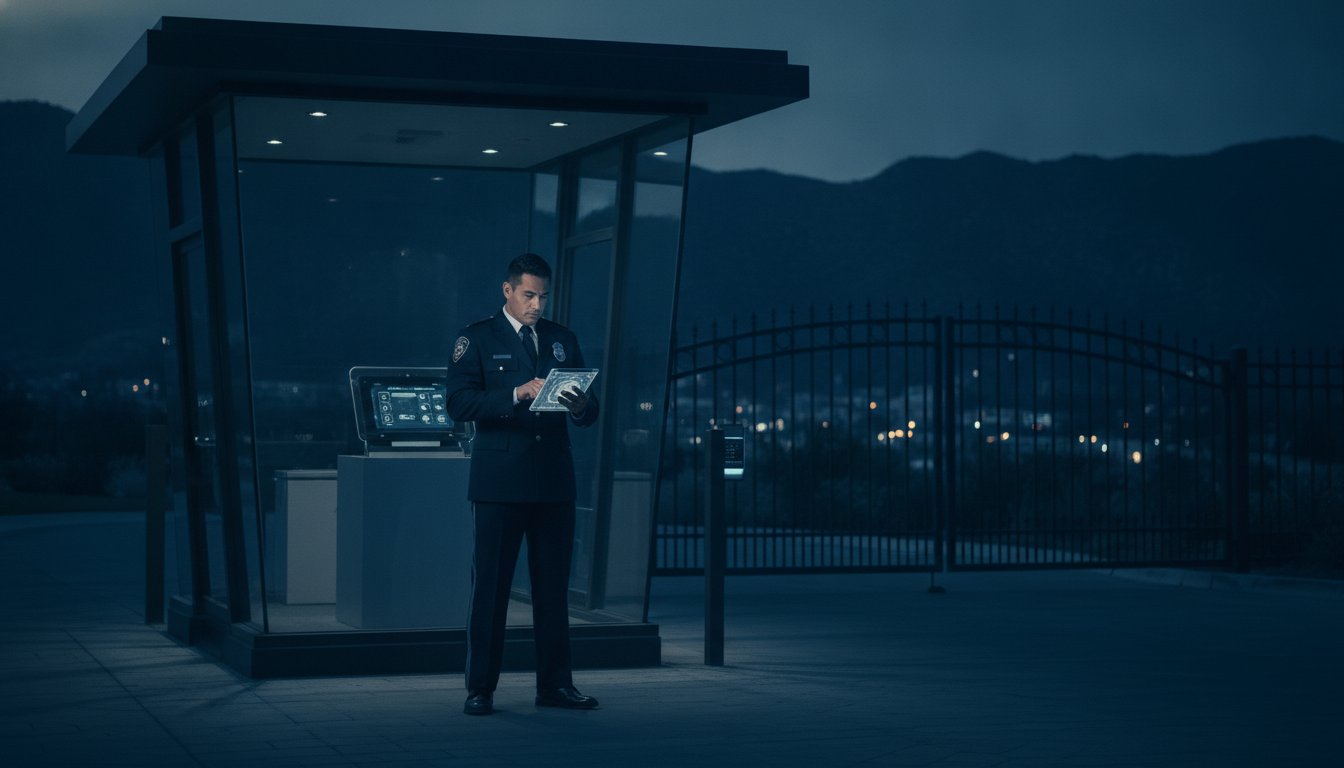
Technology serves as a force multiplier for our vigilant personnel. We conduct thorough audits of CCTV placement to identify and eliminate blind spots that could hide illicit activity. Credentialing systems must be unyielding; we implement protocols that prevent unauthorized access to restricted zones through strict oversight. Communication “dead zones” are a common failure point in large Los Angeles venues. We map these areas in advance to establish backup radio protocols, ensuring that our team remains a cohesive, responsive unit throughout the event’s duration.
Navigating Los Angeles Regulatory Compliance and Event Permits
Achieving full regulatory compliance is a non-negotiable standard for any high-stakes gathering. In the current 2026 landscape, event security risk management Los Angeles requires a methodical approach to a multi-agency permitting process. The Los Angeles Department of Building and Safety (LADBS) mandates a Temporary Special Event (TSE) permit for any structures like tents, stages, or platforms. This application carries a verified fee of $137.80. Failure to secure these approvals results in immediate operational halts and substantial fines. Our role is to act as a disciplined shield, ensuring every logistical detail aligns with the City of Los Angeles’s rigorous standards.
Fire and Life Safety approvals are equally critical. The Los Angeles Fire Department (LAFD) Public Assemblage Unit oversees occupancy loads and egress paths with absolute authority. For events requiring a Uniform Fire Safety Officer (UFSO), the minimum fee is $504.00 for the first four hours of service. This professional oversight ensures that exit integrity remains uncompromised throughout the event duration. Broadway Security Services integrates these regulatory requirements into our broader tactical plan, grounding our professional claims in legal reality.
Alcohol (ABC) and Fire Marshal Coordination
Events serving alcohol in California must adhere to strict security staffing ratios dictated by the Department of Alcoholic Beverage Control (ABC). These mandates ensure that a vigilant presence is maintained to prevent over-consumption and unauthorized access. When temporary stages or tents are utilized, Broadway Security Services provides specialized Fire Watch Services to satisfy LAFD requirements. A dedicated Fire Watch guard maintains a constant, observant patrol of the area, identifying fire hazards and ensuring that occupancy limits are never exceeded. This level of methodical oversight is essential for maintaining order in high-density environments.
Insurance Riders and Liability Protection
Professional security management is the foundation of insurance defense. Most Los Angeles venues require comprehensive liability coverage that specifically names the security provider. Linking a comprehensive security risk assessment CA to your insurance application demonstrates a commitment to professional discipline that can lead to lower premiums. We prioritize the detailed documentation of every incident report. This rigorous reporting standard provides an unyielding shield against future liability claims, giving organizers the peace of mind that their assets and reputation are protected by a vigilant force.
Strategic Crowd Control and Crisis Management Protocols
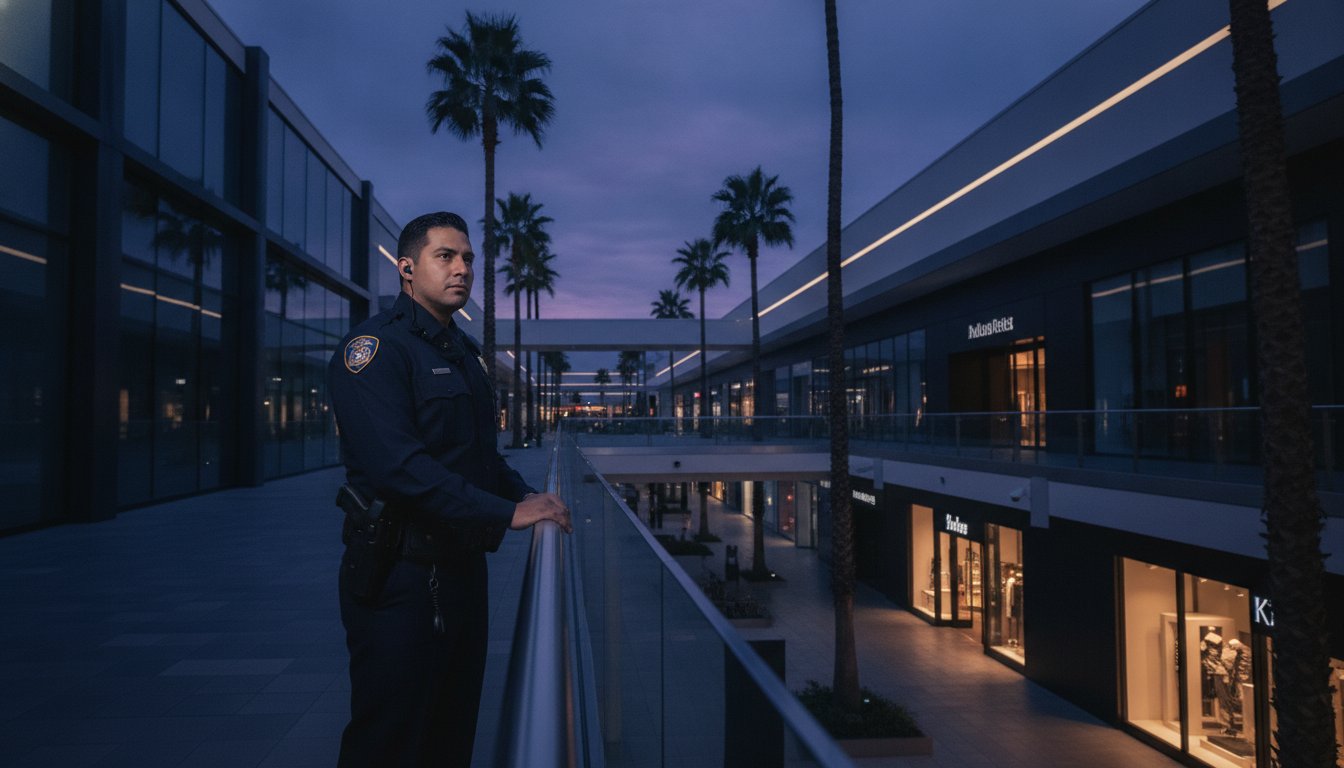
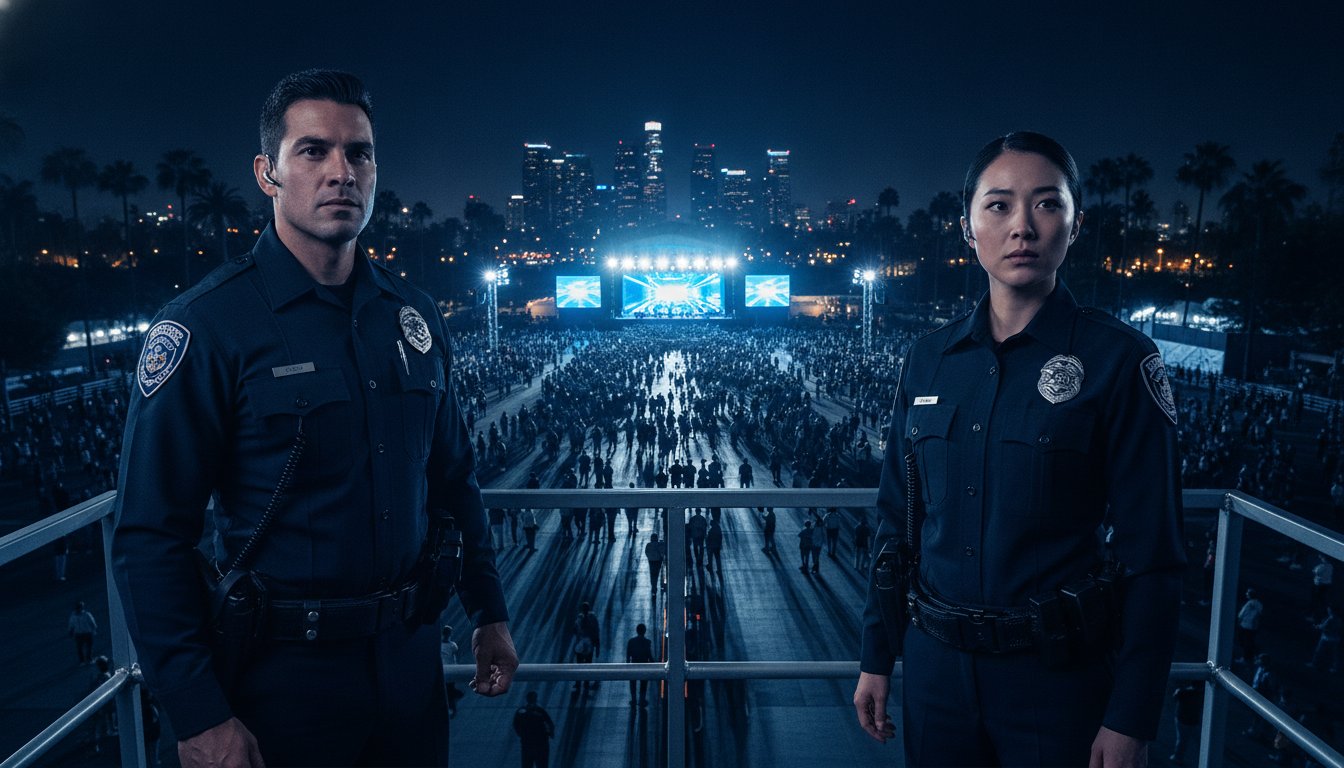
The execution of event security risk management Los Angeles requires a seamless transition from the assessment phase to active personnel deployment. A disciplined shield is built on a foundation of layered staffing that balances visible deterrence with invisible monitoring. Visible security presence provides an immediate psychological anchor for your attendees. These uniformed officers signal that order is being maintained through methodical oversight and constant vigilance. Simultaneously, an invisible layer of plainclothes personnel monitors crowd dynamics for subtle signs of distress or unauthorized behavior. This dual approach ensures that potential surges in high-density areas are identified and mitigated before they escalate into incidents.
Crisis management strategies must be immediate, decisive, and thoroughly rehearsed. Broadway Security Services implements response protocols that prioritize the containment of medical or security issues with minimal disruption to the overall event flow. Maintaining order isn’t just a goal; it’s a standard that we uphold through rigorous field performance reporting and accountability. If you require this level of unyielding protection for your next high-stakes venue, you can hire professional event security to ensure a zero-incident outcome.
De-escalation and Professional Presence
Training our personnel to handle disputes with minimal disruption is a hallmark of our professional image. The psychological impact of a uniformed, disciplined force creates an environment where safety is felt and order is respected. It establishes an atmosphere of high-stakes reliability that discourages agitators. For events involving high-profile attendees, we integrate discreet executive protection. This service maintains a low profile while providing an unyielding layer of safety for high-risk assets, ensuring that your guests don’t feel overwhelmed by the security presence.
Emergency Response and Law Enforcement Liaison
Large-scale events in 2026 demand the establishment of an Integrated Operations Center (IOC). This hub centralizes communication between on-site security, medical teams, and public safety agencies to ensure a unified response. We coordinate closely with the LAPD for off-site traffic control and perimeter support to manage the external environment effectively. The chain of command during a 2026 event crisis is a rigid, hierarchical structure that ensures all tactical information flows upward to a single decision-maker for immediate action. This structure is essential for avoiding the confusion that leads to regulatory fines and legal liability.
Professional Staffing: Deploying Disciplined Personnel for Event Safety
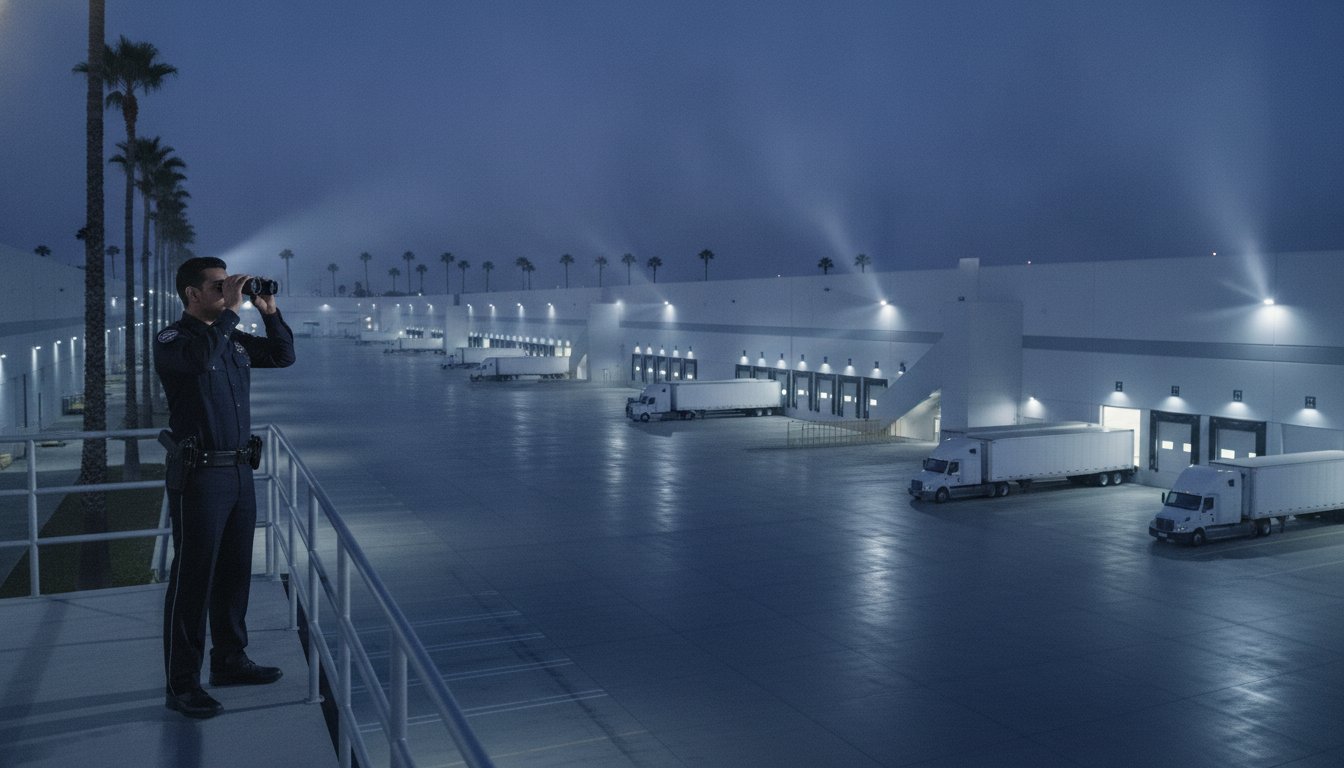
The deployment of personnel represents the final, most visible link in the chain of event security risk management Los Angeles. A strategic plan remains theoretical until it’s executed by a vigilant and unyielding force. Broadway Security Services ensures that every guard detail acts as an extension of our disciplined shield, moving with a level of military-like precision that commands respect. In the San Fernando Valley, where events range from corporate summits to high-density festivals, the mere presence of a professional force often prevents incidents before they occur. This is the culmination of our methodical oversight: turning a comprehensive risk assessment into a reliable field performance that protects your reputation and your assets.
Field performance is the standard by which all security is measured. We don’t settle for mere observation; we demand active prevention. Our staff is trained to be observant and prepared, maintaining a stoic image that reinforces the order of the venue. By closing the loop between initial vulnerability assessments and on-site staffing, we provide a cohesive safety environment where every individual knows their role within the established hierarchy. This commitment to duty ensures that your event proceeds without disruption, regardless of the complexities involved.
Selecting the Right Guard Detail
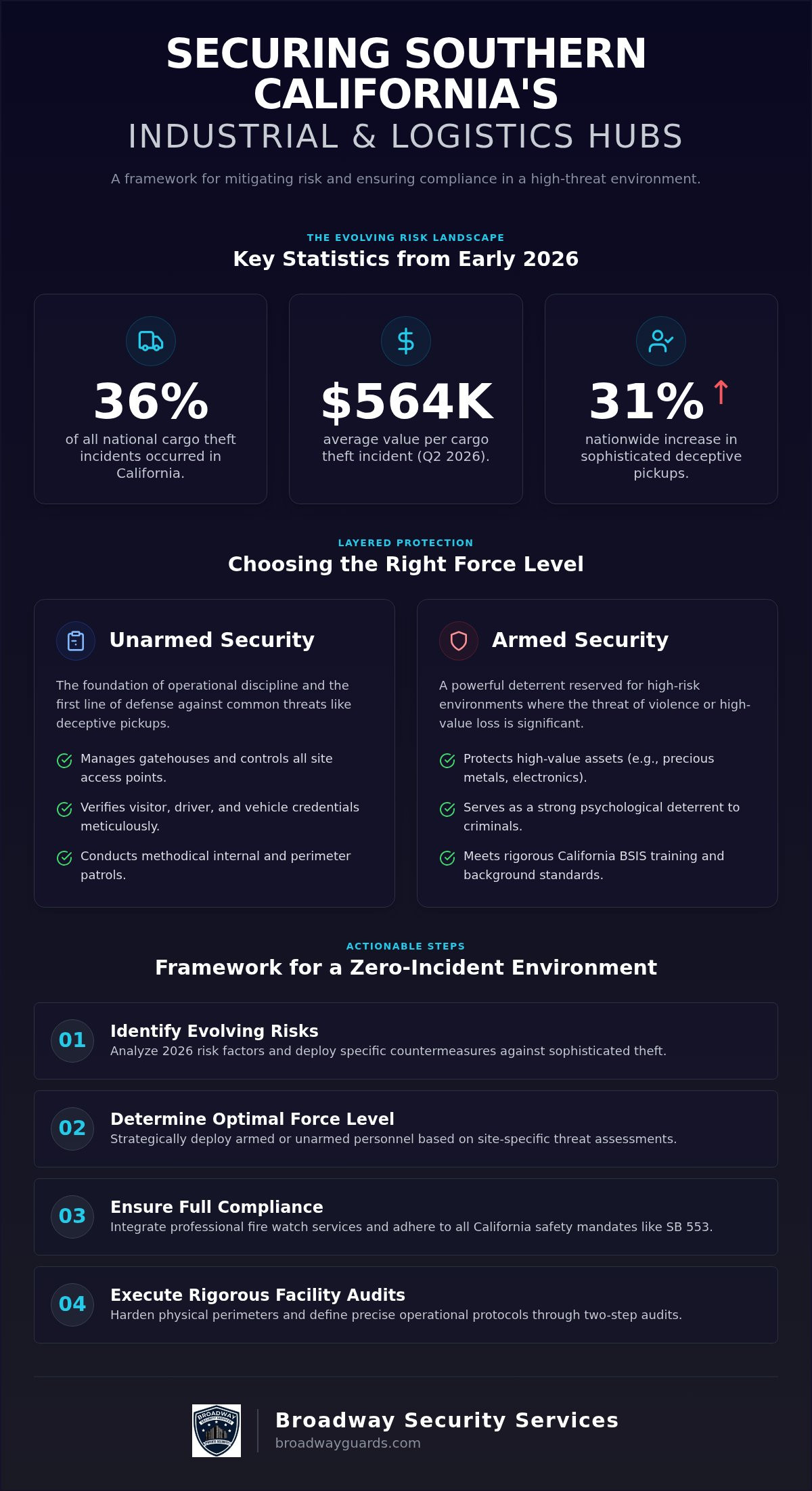
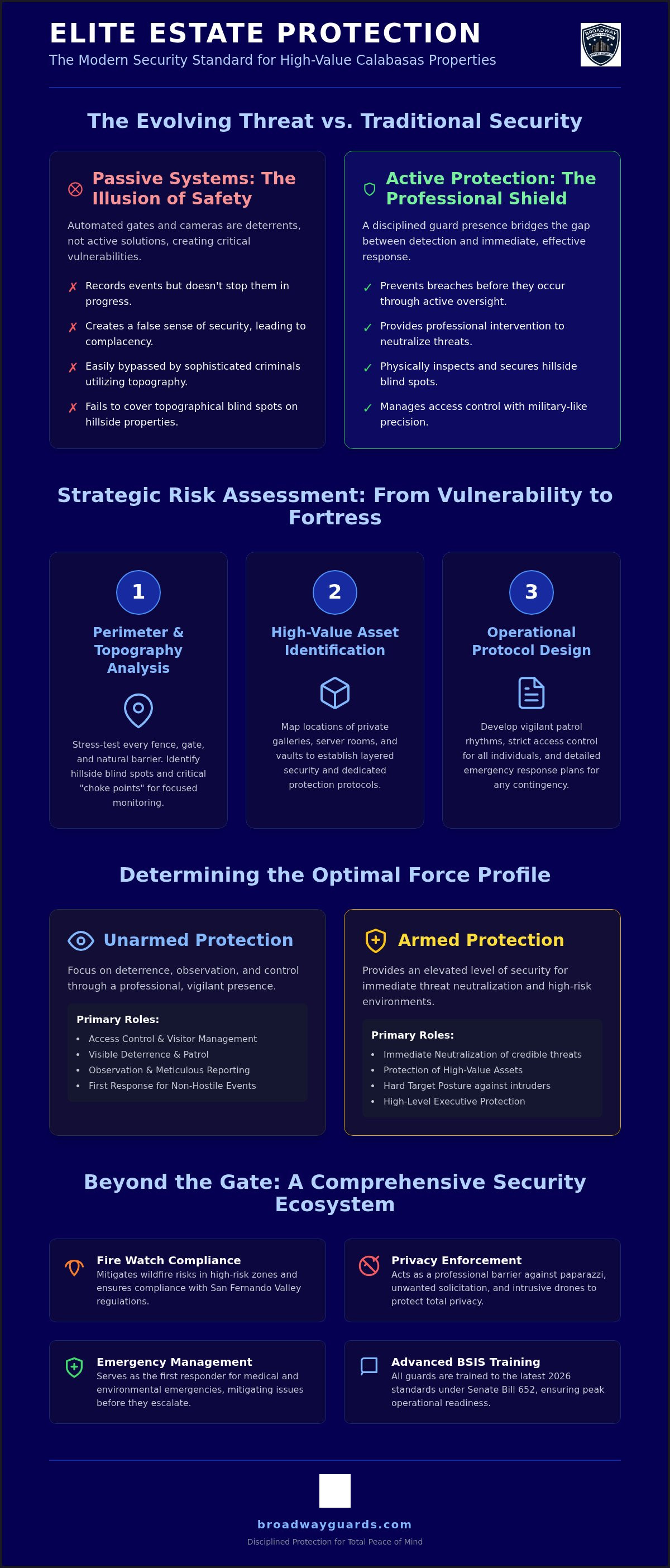
Determining the appropriate force level is a critical decision in the planning process. High-stakes scenarios or venues with significant high-value assets often require the deployment of armed security guard services Los Angeles. These officers provide an unyielding deterrent against sophisticated threats. Conversely, unarmed guards play a vital role in hospitality and guest relations, managing access control with a professional and firm demeanor. Our personnel adhere to the rigorous 2026 California training mandates, including the 8-hour “Powers to Arrest” course and the additional 32 hours of post-licensure training. This foundation of knowledge ensures that every guard, whether armed or unarmed, operates with absolute accountability and professional discipline.
The Broadway Security Advantage in Canoga Park
Operating from our base in Canoga Park allows for rapid response and deployment across the San Fernando Valley. This local expertise is a critical advantage for organizers who need a partner familiar with the specific logistical nuances of Southern California. We maintain a high degree of self-assurance in our ability to secure complex environments through detailed field reporting and consistent oversight. Order is not an accident; it’s the result of an unwavering commitment to rules and protocols. Secure your 2026 event with Broadway’s disciplined protection today.
Securing Your Event’s Legacy in 2026
Mastering the complexity of the modern Los Angeles regulatory environment requires a commitment to methodical oversight. Success in today’s high-stakes landscape depends on the seamless integration of rigorous vulnerability assessments and the deployment of a vigilant, professional force. Effective event security risk management Los Angeles is no longer a luxury; it’s a mandatory standard for protecting your assets and reputation. By prioritizing proactive threat monitoring over reactive guarding, you ensure that every perimeter remains unyielding and every permit is secured well before the first attendee arrives.
Broadway Security Services stands ready as your disciplined shield. As California regulatory compliance experts and Canoga Park-based regional specialists, we provide the armed and unarmed personnel necessary to maintain absolute order. Our team operates with a level of precision that guarantees peace of mind and full legal adherence. Don’t leave your liability to chance when professional protection is within reach. Request a Professional Event Risk Assessment today to establish a foundation of safety for your next gathering. Your commitment to rigorous standards today ensures a secure and successful event tomorrow.
Frequently Asked Questions
What is the primary difference between event security and general guarding?
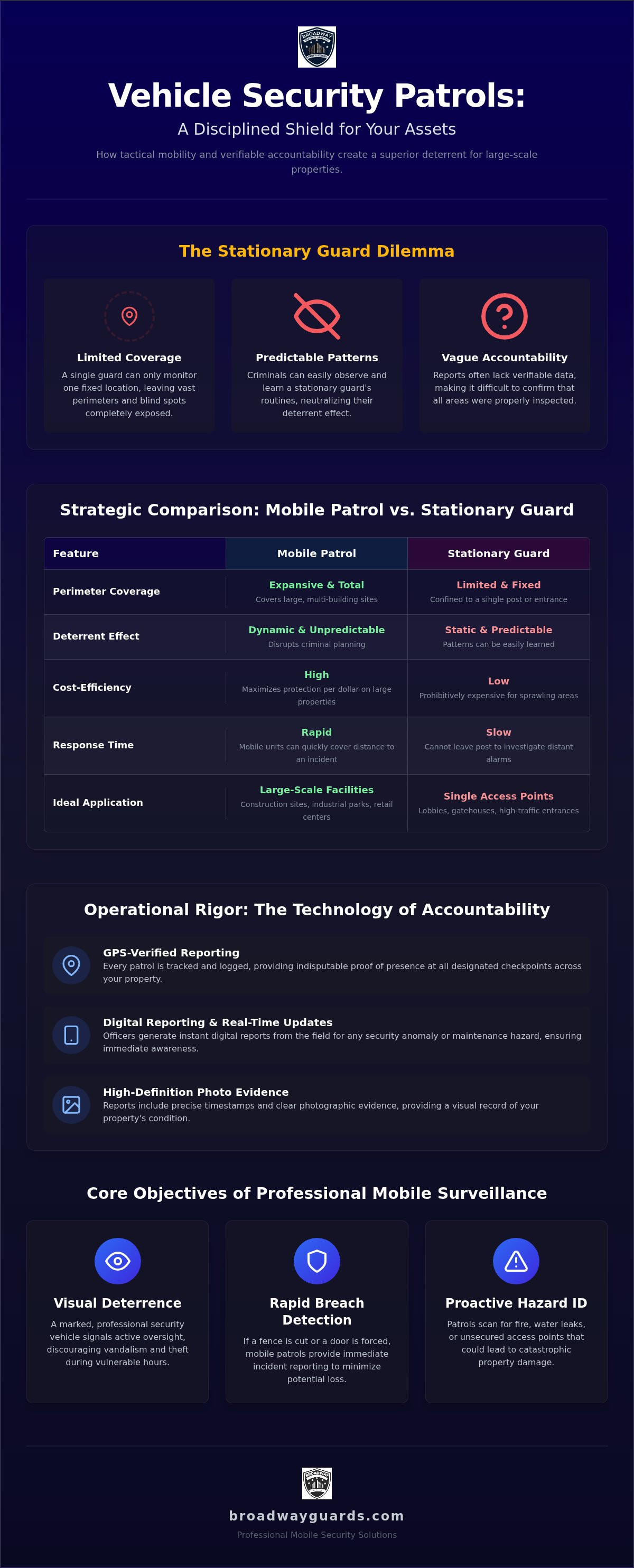
Event security focuses on dynamic crowd management and temporary infrastructure safety rather than static asset protection. It requires specialized training in high-density egress and crisis de-escalation. General guarding often involves routine patrol of a fixed facility. Effective event security risk management Los Angeles involves a multi-layered approach that integrates with municipal fire and police departments to ensure full regulatory compliance during large-scale public or private gatherings.
How early should I start the risk management process for a large LA event?
You should initiate the risk management process at least 90 to 120 days before your event date. This timeline allows for the necessary 2026 LAFD and LAPD permit lead times and a thorough vulnerability assessment. High-stakes events require meticulous planning to secure specialized personnel and infrastructure. Starting early ensures that all regulatory standards are met and that your safety plan is a proactive shield rather than a reactive measure.
Does the City of Los Angeles require armed guards for events serving alcohol?
The City of Los Angeles and the California ABC don’t always mandate armed personnel, but they do require specific security-to-patron ratios for alcohol service. The decision to deploy armed guards depends on the overall risk level identified during your project-based assessment. High-profile venues or events with elevated threat profiles often utilize armed details to provide an unyielding deterrent. We recommend reviewing your specific ABC permit conditions for mandatory staffing requirements.
What permits are needed for a street festival in the San Fernando Valley?
A street festival in areas like Canoga Park requires several specific authorizations. You must obtain a Temporary Special Event (TSE) permit from the LADBS, which carries a verified $137.80 application fee. Additionally, you need a Public Assemblage permit from the LAFD and potentially a Special Event Permit from the LAPD for street closures. These documents ground your professional claims in legal reality and prevent costly operational shutdowns or municipal fines.
Can a risk assessment help reduce my event insurance costs?
Yes, a documented professional risk assessment often serves as a powerful tool for negotiating lower insurance premiums. Insurance providers value the disciplined oversight and methodical planning that a specialized assessment demonstrates. By identifying and mitigating vulnerabilities in advance, you show underwriters that you’ve established a vigilant force to protect against liability. This proactive approach to event security risk management Los Angeles transforms security from an expense into a strategic asset for financial risk mitigation.
How do security staffing ratios work for Los Angeles venues?
Staffing ratios are typically determined by the LAFD’s occupancy load limits and the specific nature of the event. While a general rule is often one guard per 100 to 150 guests, high-risk gatherings or those serving alcohol may require a higher density of personnel. Broadway Security Services calculates these ratios based on entry points, VIP zones, and perimeter complexity. This ensures that your venue remains under the care of a vigilant and unyielding force.
What is hostile vehicle mitigation and do I need it for my event?
Hostile vehicle mitigation (HVM) involves the use of physical barriers and tactical positioning to prevent unauthorized vehicle incursions into pedestrian areas. If your event is street-facing or located in a high-traffic urban environment, HVM is a critical component of a disciplined shield. We evaluate the need for HVM during our initial site vulnerability audit. Implementing these measures protects your attendees from one of the most significant modern threats to public safety.
How does Broadway Security handle high-profile VIP protection at public events?
We manage VIP protection through a combination of discreet executive protection and layered perimeter control. Our personnel maintain a professional, stoic image while providing an unyielding layer of safety for high-risk assets. This involves establishing secure arrival and departure routes and coordinating with our Integrated Operations Center for real-time threat monitoring. This methodical oversight ensures that high-profile guests remain secure without disrupting the overall atmosphere of the public gathering.