A single security breach in a high-stakes production environment isn’t just a loss of inventory; it’s a total failure of the operational chain of command. In 2026, the margin for error in industrial protection has vanished. You likely recognize that passive observation is no longer a viable defense against sophisticated theft or the liability of workplace safety incidents. Maintaining a secure facility requires more than just presence. It demands a disciplined, professional strategy tailored for the unique challenges of the California market. Investing in elite manufacturing plant security services ensures that your high-value industrial assets remain under the care of a vigilant and unyielding force.
We agree that your facility’s integrity is the foundation of your production success. This strategic guide provides the necessary framework to secure your operations and ensure full compliance with state safety regulations, including the latest 2026 Cal/OSHA mandates. You’ll learn how a professional, disciplined guard presence transforms a vulnerable site into a zero-breach environment. We’ll preview the critical intersection of physical oversight and regulatory rigor, from new lead exposure limits to the January 2026 OSHA injury tracking deadlines. Your assets deserve a shield that prioritizes safety, trust, and military-like precision.
Key Takeaways
- Identify the three core pillars of industrial risk and the strategic protocols required to prevent production downtime caused by security failures.
- Evaluate facility risk profiles to implement the correct deployment of armed or unarmed manufacturing plant security services as a visible, disciplined deterrent.
- Master the standards for rigorous access control and professional vulnerability assessments to secure sensitive production areas against unauthorized entry.
- Ensure strict adherence to 2026 Cal/OSHA standards and California fire watch mandates to mitigate liability and maintain regulatory standing.
- Discover how military-like precision in security management provides a reliable defense for high-value industrial assets throughout Southern California.
The Industrial Threat Landscape: Why Manufacturing Plants Require Specialized Security
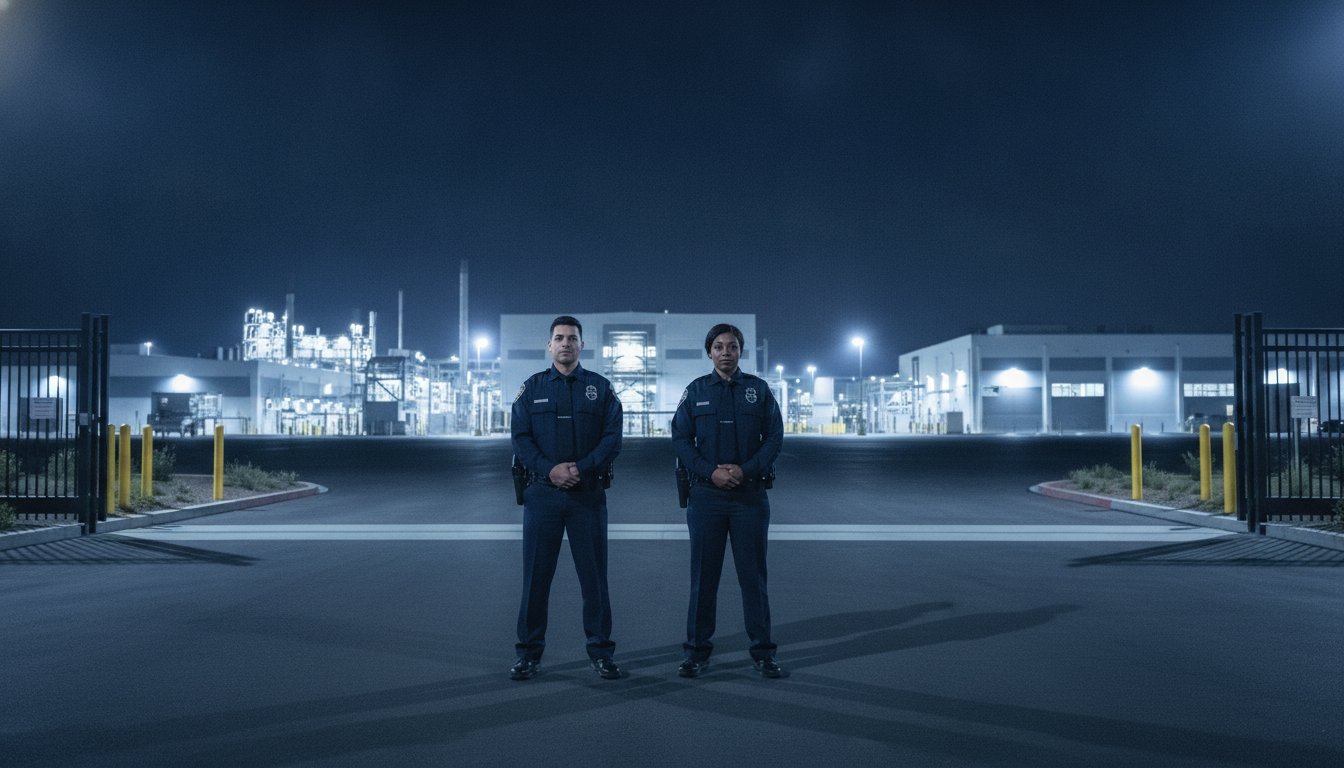
Securing a manufacturing facility requires a level of precision that exceeds standard commercial protection. Unlike retail or office environments, industrial sites operate within a complex web of high-value machinery, proprietary processes, and sensitive supply chains. A security failure here isn’t just an inconvenience; it’s a catastrophic disruption to the operational chain of command. When a production line halts due to theft or sabotage, the financial impact accumulates by the minute. Our manufacturing plant security services provide a disciplined shield, ensuring that your facility remains a controlled and productive environment.
Effective industrial protection rests on three critical pillars. First, asset theft involves the organized removal of raw materials or finished goods. Second, industrial espionage targets the proprietary methods that give your brand its competitive edge. Third, internal sabotage can cripple expensive machinery from within. Generic security protocols often fail in these settings because they lack the specialized training to understand industrial workflows. A professional guard must be more than a presence; they must be a vigilant observer capable of identifying anomalies in a high-stakes environment.
External Threats: From Theft to Espionage
External actors frequently target manufacturing hubs for the high resale value of raw materials like copper, specialized chemicals, and precision components. Organized criminal groups often conduct surveillance to identify gaps in perimeter integrity. Implementing robust Physical security measures is the first line of defense against these incursions. This includes a combination of disciplined perimeter patrols and professional gate oversight to verify every vehicle and individual entering the site.
Beyond simple theft, industrial espionage remains a persistent threat to California manufacturers. Competitors or foreign entities may seek unauthorized access to sensitive production areas to document proprietary technology. A disciplined security presence ensures that these high-risk zones remain inaccessible to anyone without the proper credentials. Vandalism also poses a significant risk; a single act of criminal damage to a specialized piece of equipment can result in weeks of downtime and millions in lost revenue.
Internal Vulnerabilities and Loss Prevention
Internal risks often present the most complex challenges for plant managers. Inventory shrinkage and employee theft can erode profit margins if left unchecked. A professional guard presence acts as a deterrent against internal theft by maintaining strict oversight of loading docks and employee exits. This level of accountability is essential for maintaining order and protecting the company’s bottom line.
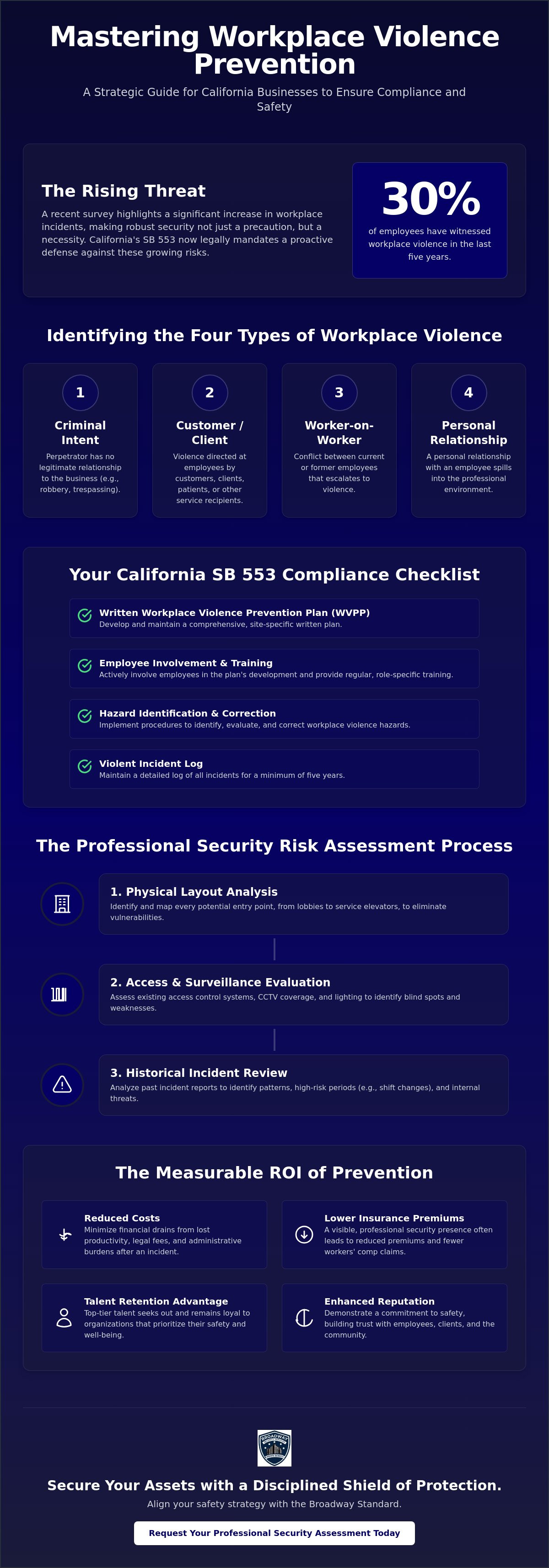
Managing access to R&D zones or hazardous areas is equally vital for safety and compliance. Our guards are trained to identify insider threats, such as disgruntled staff or individuals attempting to bypass safety protocols. By enforcing rigorous access control and monitoring internal movement, we mitigate the risk of sabotage before it escalates. This systematic approach ensures that every person on your site is authorized to be there, creating an atmosphere of total reliability and safety.
Implementing a Disciplined Shield: Armed vs. Unarmed Guard Strategies
Establishing a secure industrial environment requires a calculated approach to personnel deployment. Every facility presents a unique risk profile that dictates the necessary level of force. A disciplined shield isn’t about excessive force; it’s about the right force for the specific threat landscape. By consulting the Critical Manufacturing Sector Security Guide, plant managers can align their physical defense with federal standards for infrastructure protection. Broadway Security Services prioritizes this alignment, training personnel to handle the specific operational rhythms of a manufacturing floor with military-like precision.
The psychological impact of a visible, disciplined presence cannot be overstated. When security personnel move with purpose and adhere to strict protocols, it signals to both employees and potential intruders that the site is under professional oversight. This atmosphere of order discourages petty theft and procedural shortcuts that often lead to safety incidents. Effective manufacturing plant security services rely on this foundation of vigilance to prevent breaches before they occur.
Strategic Use of Unarmed Security Guards
Unarmed personnel serve as the foundation of professional oversight in many industrial settings. They’re ideal for scenarios involving access control, visitor management, and administrative oversight where the primary goal is order and protocol. Our Strategic Guide to Unarmed Security Guards details how these professionals maintain an authoritative presence without escalating tension. They act as the eyes and ears of the facility, ensuring that safety standards are met and that unauthorized individuals are identified at the perimeter. For many manufacturing plant security services, this level of presence provides the necessary balance between safety and a professional operational flow.
When to Deploy Armed Security Personnel
High-stakes environments require a more robust defensive posture. When a facility houses high-value assets, hazardous materials, or sensitive R&D zones, the deployment of Armed Security Guard Services Los Angeles becomes a critical deterrent. Armed personnel are trained for high-stakes response protocols, providing an unyielding defense against violent threats or sophisticated criminal incursions. This presence doesn’t just protect physical goods; it provides psychological peace of mind for the workforce, knowing that a vigilant force is prepared for any escalation.
Large warehouse complexes and expansive perimeters often exceed the reach of stationary posts. Integrating mobile patrol services allows for rapid response and consistent oversight across the entire property. These patrols bridge the gap between fixed access points and the far reaches of the production yard. If you’re ready to evaluate your facility’s defensive needs, consider how Broadway’s professional guards can provide the disciplined protection your assets require. This methodical approach ensures that no blind spots remain in your industrial shield.
Beyond Perimeter Patrols: Access Control and Vulnerability Assessments
A disciplined shield requires more than just physical presence. It demands a data-driven foundation where technology and human oversight operate in total synergy. While cameras and sensors provide constant data streams, they lack the judgment required to handle complex industrial anomalies. Elite manufacturing plant security services bridge this gap by integrating advanced surveillance with rapid, professional human response. Technology provides the alert, but the disciplined guard provides the resolution. This methodical approach ensures that every electronic signal is backed by a vigilant force ready to secure the site.
Relying solely on automated systems creates a false sense of security. Sophisticated threats often exploit the blind spots within digital perimeters. A professional site vulnerability evaluation is the first step in identifying these structural weaknesses. This assessment isn’t a one-time suggestion; it’s a rigorous requirement for maintaining a zero-breach environment. By analyzing the flow of personnel and materials, you establish a defensive posture that accounts for every potential point of failure. Understanding How to Conduct a Professional Security Risk Assessment in California is essential for any facility manager committed to high-stakes reliability.
The Anatomy of a Manufacturing Risk Assessment
An effective industrial evaluation focuses on the areas where production and logistics intersect. Loading docks are frequently the most vulnerable points in a facility’s exterior. Guards must test internal security protocols for high-value inventory storage to ensure that internal sabotage remains impossible. We develop site-specific crisis management strategies that account for industrial emergencies, including chemical spills or equipment failures. This level of preparation ensures that the operational chain of command remains intact even during a crisis. Every vulnerability identified is a breach prevented.
Active Perimeter and Access Management
Rigorous access control serves as the gatekeeper of your production integrity. This process involves more than just checking badges; it requires the active verification of credentials and visitor intent. Guards act as a disciplined filter, ensuring that only authorized personnel enter sensitive R&D or production zones. For sprawling grounds, mobile patrols provide 24/7 coverage that stationary posts cannot achieve alone. This proactive movement mimics the standards set by Construction Site Security Guards, where changing environments require constant adaptation. Standardized manufacturing plant security services must evolve with the facility, ensuring that access remains restricted and every entry is accounted for with military-like precision.

Navigating California Compliance: Safety and Fire Watch Rigor
Compliance within the California industrial sector is a matter of operational survival. Regulatory standards in 2026 demand more than just written policies; they require active, disciplined enforcement on the production floor. Elite manufacturing plant security services act as the primary link between legal mandates and daily operations. By integrating professional guards into your safety hierarchy, you ensure that standards like the January 19, 2026, OSHA Hazard Communication deadline are met with consistent oversight. This disciplined shield protects your facility from the high cost of non-compliance and the liability of safety incidents.
A professional security strategy prioritizes accountability through rigorous reporting. Every observation is documented to satisfy state inspectors and insurance providers. This methodical approach ensures that your facility remains in good standing with both Cal/OSHA and local fire marshals. When professional guards manage the intersection of safety and security, they provide the peace of mind that comes from knowing your assets are under the care of a vigilant and unyielding force.
Industrial Safety and Hazard Monitoring
Professional guards serve as specialized safety observers who identify risks before they escalate into accidents. They monitor for Personal Protective Equipment (PPE) non-compliance and hazardous conditions that could trigger a Cal/OSHA inspection. During an emergency, these personnel lead evacuation procedures and provide immediate first aid or CPR response. Their training in de-escalation ensures that workplace safety incidents are handled with order and precision. This level of oversight is essential for facilities navigating the stricter lead exposure limits effective as of January 1, 2026. It’s a proactive measure that prevents minor infractions from becoming major liabilities.
Fire Watch Protocols for Manufacturing
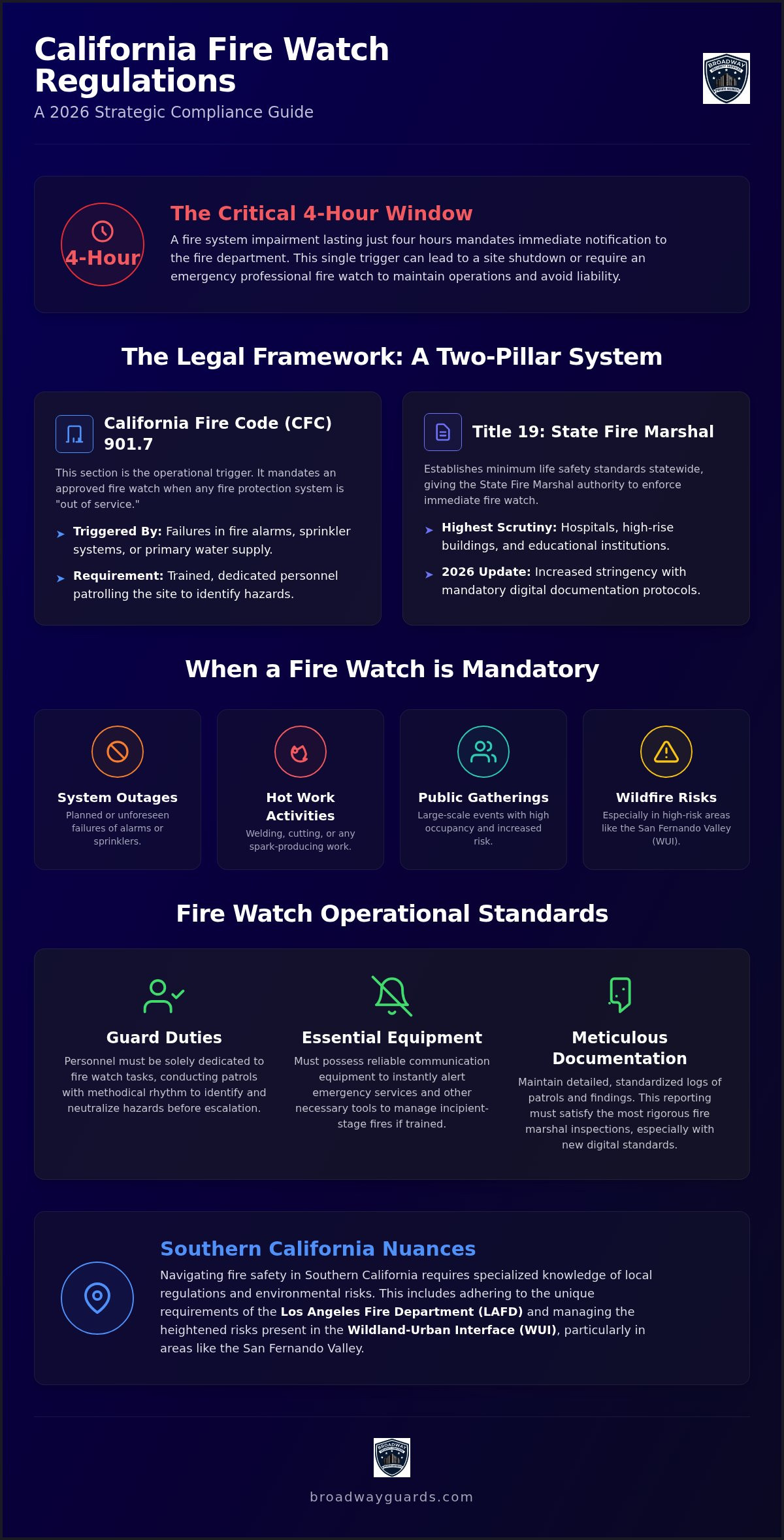
Fire prevention is a critical component of industrial protection, especially during maintenance or system failures. California law requires a dedicated fire watch if a building’s alarm or sprinkler system is offline for more than four hours within a 24-hour period. Our personnel provide continuous monitoring of high-risk zones and facility perimeters to ensure total safety. This is particularly vital during “hot work” operations like welding or cutting, as mandated by Cal/OSHA Title 8, Section 4848. For a deeper understanding of these requirements, consult our Professional Fire Watch Services California guide. Ensuring your site meets these standards is a core function of high-stakes manufacturing plant security services. To secure your facility against fire risks and compliance failures, contact Broadway’s specialized security personnel today.
The Broadway Standard: Professional Security Management for Industry
Broadway Security Services operates with a commitment to military-like precision in every deployment. We don’t view ourselves as a mere staffing agency. Instead, we function as a disciplined shield for the industrial sector. Our manufacturing plant security services are built on a foundation of order, hierarchy, and an unwavering commitment to duty. Southern California firms prioritize our presence because we offer more than just observation. We provide an unyielding force that ensures your facility remains secure and your operational chain of command stays intact.
Reliability in high-stakes environments is non-negotiable. We understand that production cycles fluctuate, requiring a security strategy that is both rigid in its standards and flexible in its execution. Broadway offers hourly staffing flexibility, allowing plant managers to scale protection during peak production periods or high-risk maintenance windows. This approach provides the benefit of professional oversight without the constraints of traditional, inflexible contracts. It ensures that your assets are protected by a vigilant force exactly when the risk profile is highest.
Regional Expertise in Southern California
Securing an industrial facility requires localized intelligence. We understand the specific security dynamics of manufacturing hubs in Canoga Park, Woodland Hills, and the wider San Fernando Valley. Our regional focus allows for rapid response capabilities that national providers cannot match. We maintain a deep understanding of local crime trends and regulatory expectations within Los Angeles County. This localized expertise ensures that our guards are prepared for the unique challenges of the Southern California industrial landscape. By serving the San Fernando Valley with dedicated resources, we provide a level of oversight that is both serious and observant.
Procuring a Disciplined Shield
Initiating a professional defense for your facility begins with a comprehensive site evaluation. We transition from risk assessment to active protection by identifying the specific vulnerabilities of your production floor and loading docks. Our team works with you to customize security contracts that match your specific production cycles and risk levels. This ensures that every post is manned by a professional who understands the gravity of their responsibility. If you’re ready to secure your high-value assets with a strategy rooted in professional discipline, Contact Broadway Security Services for a Strategic Consultation. We’re prepared to provide the unyielding reliability your operations demand.
Securing the Future of Industrial Excellence
Industrial protection in 2026 demands a shift from passive observation to proactive, disciplined defense. We’ve established that elite manufacturing plant security services bridge the critical gap between technological surveillance and regulatory compliance. By integrating California-certified security professionals into your operational chain of command, you mitigate the risks of asset theft, internal sabotage, and costly downtime. Your facility’s integrity depends on a vigilant presence that understands the gravity of high-stakes industrial environments.
Adhering to rigorous fire watch protocols and updated safety mandates ensures your site remains a bastion of order and reliability. This methodical oversight doesn’t just protect physical goods; it fosters a culture of safety and professionalism across the production floor. If you’re ready to transition from vulnerability to active protection, Secure Your Facility with a Professional Risk Assessment. Our team brings specialized industrial crisis management expertise to every deployment, ensuring your assets are under the care of an unyielding force. You have the power to transform your facility into a zero-breach environment where production never falters.
Frequently Asked Questions
What are the specific security requirements for manufacturing plants in California?
California industrial sites must comply with Cal/OSHA workplace violence prevention standards and specific fire watch mandates. By January 19, 2026, manufacturers must also align with GHS Revision 7 for substance classification. Implementing professional manufacturing plant security services ensures these legal requirements are met through disciplined observation. This oversight protects the facility from the liability of safety incidents and the high cost of regulatory non-compliance.
How do armed security guards improve safety in a high-risk industrial setting?
Armed guards provide a decisive deterrent against high-stakes threats such as organized asset theft or workplace violence. In facilities housing high-value components or hazardous materials, their presence signals an unyielding commitment to protection. They’re trained for rapid response and crisis management, ensuring that any escalation is handled with military-like precision. This level of force is essential for maintaining a zero-breach environment in high-risk zones.
When is a fire watch service legally required for a manufacturing facility?
California law requires a fire watch if a facility’s fire alarm or sprinkler system is offline for more than four hours in a 24-hour window. Additionally, Cal/OSHA Title 8 mandates a fire watch during “hot work” operations, including welding or cutting. Professional guards provide continuous monitoring of high-risk zones and document their findings to satisfy insurance requirements and local fire marshals during these critical periods.
What is included in a professional security risk assessment for industrial sites?
A professional assessment includes a thorough site vulnerability evaluation to identify blind spots in perimeter defense and loading dock protocols. It tests internal access control for sensitive R&D zones and high-value inventory storage. The process concludes with a site-specific crisis management plan that addresses industrial emergencies. This methodical evaluation ensures that the facility’s defensive posture is grounded in operational reality and legal compliance.
How does Broadway Security Services ensure the reliability of its guard personnel?
Broadway Security Services ensures reliability by deploying highly trained personnel who adhere to strict standards of discipline and accountability. We prioritize localized expertise in the San Fernando Valley and Canoga Park, ensuring guards understand regional security dynamics. Every guard is trained in California regulatory compliance and industrial-specific protection protocols. This commitment to order and hierarchy ensures that your assets are under the care of a vigilant force.
Can security guards assist with OSHA and safety compliance on the plant floor?
Professional guards assist with compliance by monitoring for PPE non-compliance and identifying hazardous conditions on the production floor. They help enforce the 2026 OSHA injury tracking mandates and ensure adherence to stricter lead exposure limits effective as of January 1, 2026. By acting as safety observers, they bridge the gap between security and regulatory rigor, protecting the company from significant liability and safety fines.
What is the difference between hourly staffing and contractual security management?
Hourly staffing offers flexibility for fluctuating production cycles or short-term maintenance windows, while contractual management provides consistent, long-term oversight of site-specific protocols. Broadway coordinates both models to ensure unyielding reliability for industrial clients. Fees are based on total man-hours or recurring management needs. Both approaches prioritize a professional presence that maintains the operational chain of command and protects high-value industrial assets.
How does mobile patrol enhance security for large manufacturing perimeters?
Mobile patrols provide consistent oversight for sprawling warehouse complexes and expansive perimeters that stationary posts cannot cover alone. They allow for rapid response to alerts across the property and ensure that every entry point remains secure 24/7. This proactive movement discourages unauthorized access and internal sabotage. By utilizing mobile units, manufacturing plant security services maintain a vigilant presence that adapts to the changing rhythms of industrial operations.