Security Guards for Hospitals: What Coverage Requires

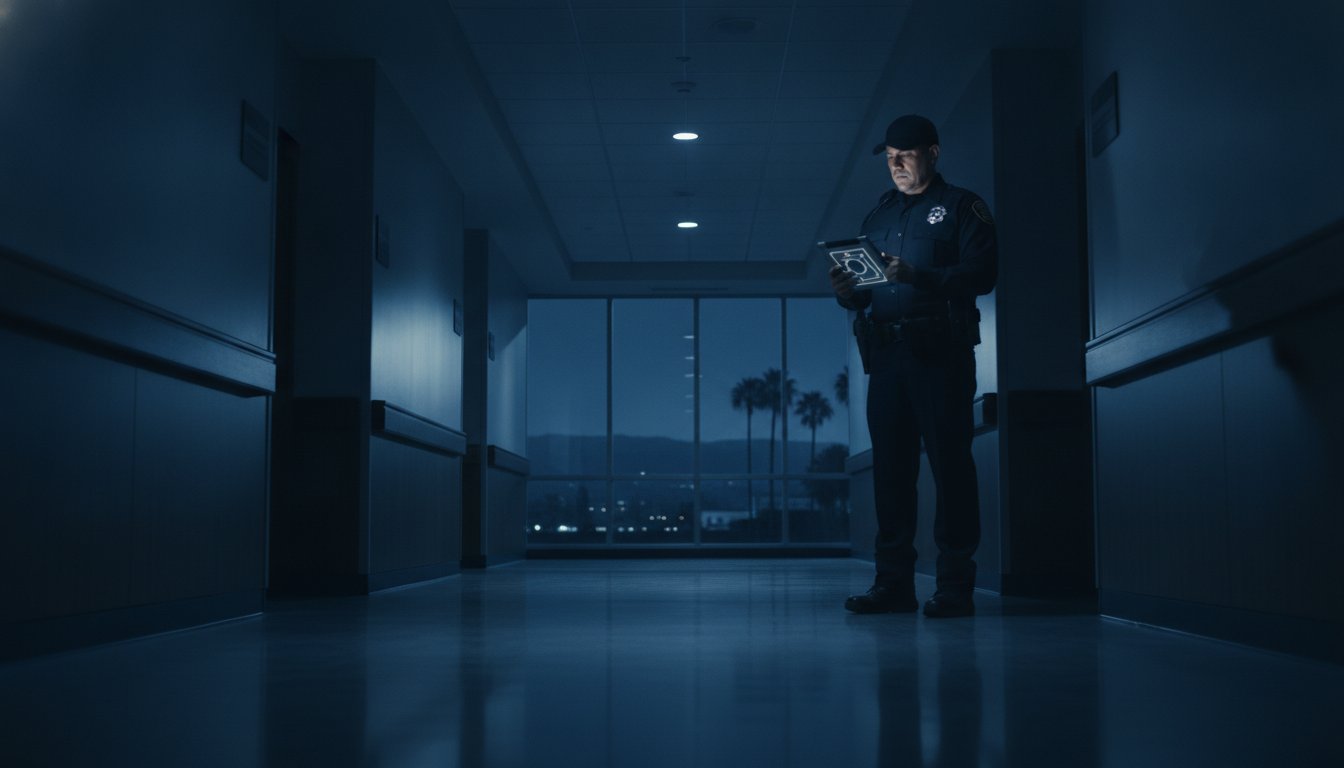
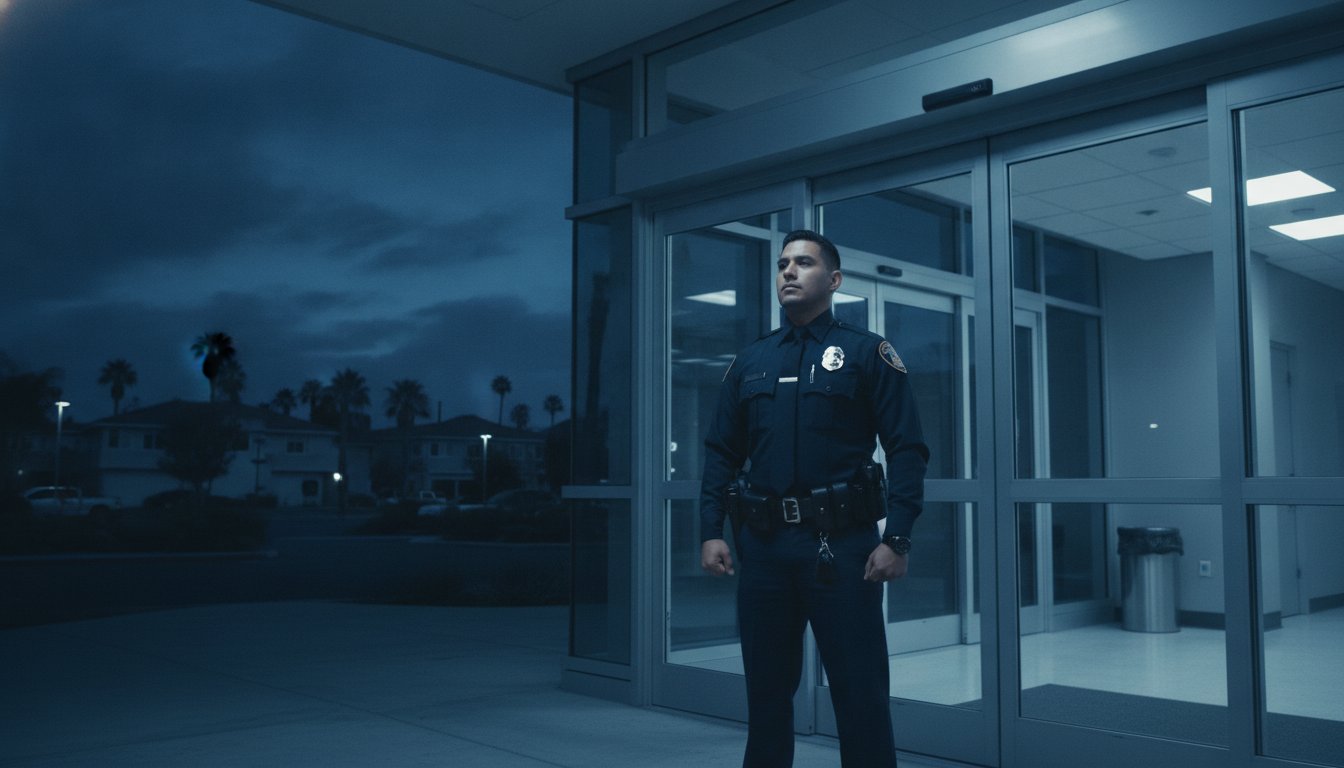
A hospital entrance can shift from routine to high pressure in minutes. A distressed family member needs direction, an unauthorized visitor attempts to enter a restricted unit, a patient becomes disruptive, or an ambulance bay becomes congested. Security guards for hospitals help the facility maintain order through visible presence, controlled access monitoring, calm intervention, and clear incident documentation.

Hospital security is not a generic guard assignment. The environment operates around patient care, privacy, clinical urgency, public access, and 24-hour activity. Coverage must support medical staff without interfering with treatment, while giving administrators a dependable response structure for daily security concerns and serious incidents alike.

Why Hospitals Need Site-Specific Security Coverage

Hospitals have multiple security environments under one roof. The emergency department, labor and delivery floor, behavioral health unit, visitor lobby, parking structure, pharmacy area, loading dock, and administrative offices each present different access and safety concerns. A single officer positioned at a front desk cannot adequately manage every risk across an active campus.

The right deployment begins with how the property actually operates. Security planning should account for visitor volume, entry points, shift changes, high-risk departments, after-hours traffic, parking conditions, and the location of sensitive records, medications, equipment, and supplies. It should also account for when tensions typically rise, such as during emergency department surges, visiting-hour transitions, or late-night arrivals.

A visible, professional guard presence can discourage trespassing, theft, disorderly conduct, and unauthorized access before those issues escalate. Just as important, guards give employees, patients, and visitors a clear point of contact when they need help finding a department, reporting suspicious activity, or responding to a conflict.

Security Guards for Hospitals Must Work Within Care Operations

Healthcare security requires sound judgment and professional restraint. Officers may encounter people who are frightened, grieving, confused, intoxicated, experiencing a behavioral health crisis, or under significant stress. Their role is to maintain safety and enforce facility rules while communicating in a controlled, respectful manner.

That means post orders must be specific. Officers need to know which departments require escort-only access, how visitor screening is handled, where they should position themselves during shift changes, who to contact during a patient-related event, and when an issue must be elevated to hospital leadership or law enforcement. Vague instructions produce inconsistent coverage. Clear post orders create accountability across every shift.

Security personnel are not clinical staff, and they should never attempt to replace medical judgment. Their value is in protecting the environment where care is delivered: managing access, observing conditions, supporting staff during disturbances, preserving a safe perimeter, and documenting events accurately. The best programs establish clear boundaries between security responsibilities, clinical responsibilities, and emergency response authority.

Core Posts That Deserve Attention

Not every hospital needs the same staffing model. A small outpatient center may need a controlled-access officer during operating hours and mobile patrol coverage after closing. A large medical campus may need fixed posts, foot patrols, vehicle patrols, and a supervisor coordinating activity across several buildings.

The emergency department is often a priority post because it combines public access, unpredictable arrivals, emotionally charged interactions, and high patient turnover. A trained officer can monitor the entrance, support visitor limits, identify unauthorized access attempts, and respond quickly when staff request assistance.

Labor and delivery, neonatal units, behavioral health areas, pharmacies, and medication storage locations may require tighter access procedures. In these areas, the guard assignment should focus on credential verification, visitor policy enforcement, escort procedures, and immediate reporting of irregular activity.

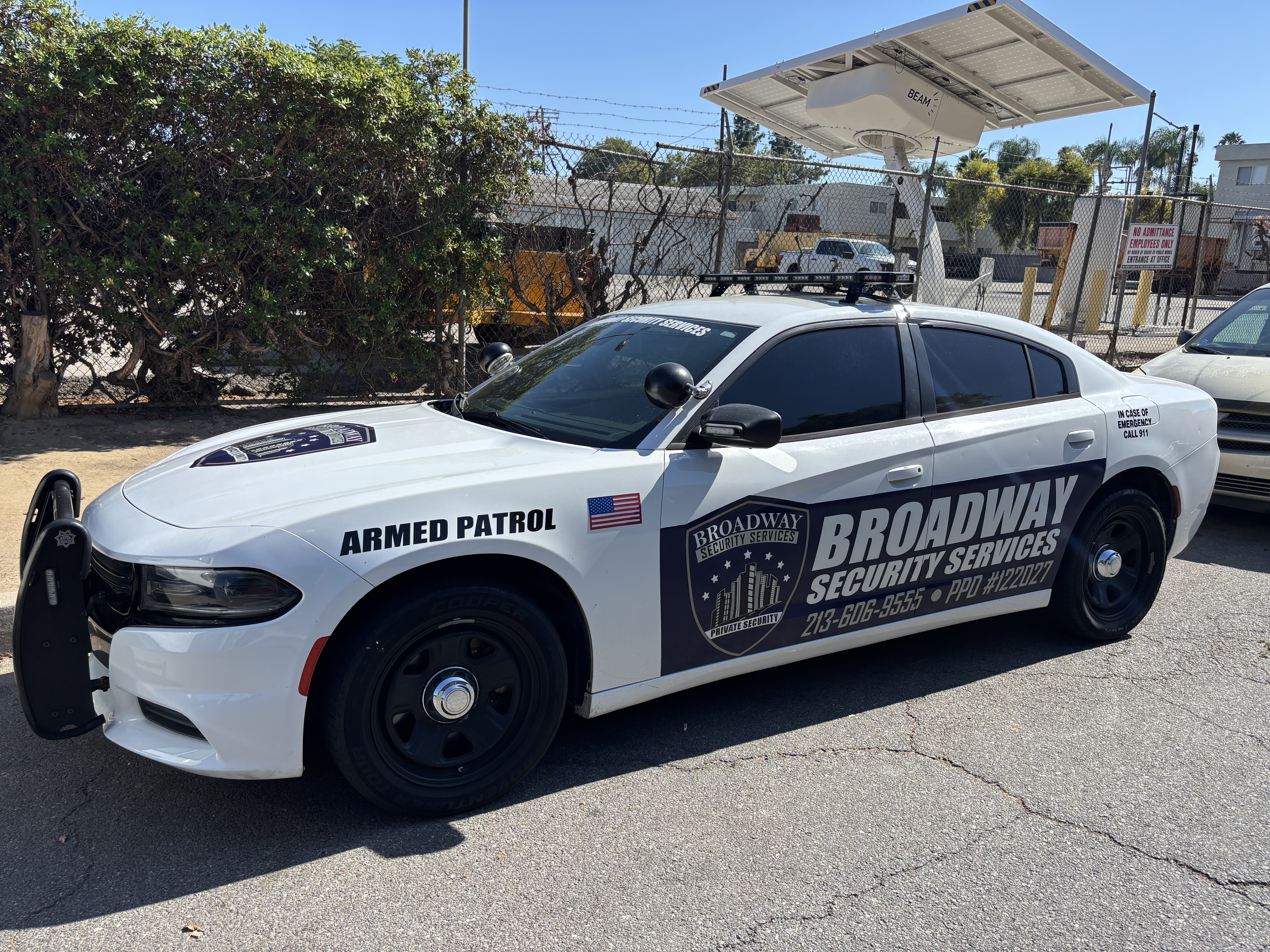
Parking lots and structures also require attention. Poor lighting, isolated areas, vehicle break-ins, loitering, and traffic congestion can affect both staff safety and patient confidence. Marked vehicle patrols and scheduled foot patrols increase visibility while allowing officers to identify hazards such as damaged gates, unsecured doors, blocked fire lanes, or suspicious vehicles.

Access Control Is More Than Checking Badges

Controlled access monitoring depends on consistent procedures, not just a person standing at a door. Officers should know how to verify visitor authorization, enforce sign-in requirements, direct guests to the correct area, and respond when someone refuses to follow facility rules. They must also understand which exceptions require approval rather than making assumptions during a sensitive situation.

Access procedures should remain practical. A hospital cannot operate like a closed industrial site, especially during emergencies or periods of high public demand. The objective is to manage entry without creating unnecessary delays for patients, families, vendors, and responding agencies. This balance depends on the facility’s layout, risk profile, and clinical needs.

For restricted areas, the security provider and hospital should establish a documented process for lost badges, tailgating, after-hours vendor access, visitor disputes, and contractor check-in. When officers know the procedure, they can act promptly and report exceptions to the right people.

Reporting and Supervision Protect the Hospital After an Incident

A guard’s presence matters at the moment of an incident. Reliable reporting matters afterward. Hospital leaders need a factual record of what occurred, when it occurred, who was notified, what action was taken, and whether follow-up is required. Poorly written reports create operational gaps and can make it difficult to identify recurring concerns.

Incident reports should be timely, objective, and detailed enough to support internal review. They should avoid speculation and clearly separate observed facts from statements made by others. Depending on the event, documentation may involve a visitor removal, damaged property, a missing item, an access-control violation, a parking incident, or a request for law enforcement assistance.

Responsive supervision is equally important. Supervisors should inspect posts, confirm officers are following post orders, address attendance issues, review incident activity, and adjust coverage when conditions change. A hospital security program cannot rely on staffing alone. It requires active management and consistent field accountability.

Armed or Unarmed Coverage: Make the Decision Deliberately

The question of armed versus unarmed coverage should be based on a documented risk assessment, not a default assumption. Many hospital posts are well served by unarmed licensed guards trained in de-escalation, access control, patrol procedures, and professional reporting. Their visible presence can address a wide range of daily concerns without changing the atmosphere of care.

Armed coverage may be considered for specific risk conditions, such as a facility’s history of serious threats, isolated locations, high-value controlled assets, or requirements established by the hospital’s security leadership. If armed officers are used, the provider must apply strict licensing, training, supervision, equipment, and post-order standards. The assignment should also be coordinated with the hospital’s policies and local law enforcement response procedures.

There is no one-size-fits-all answer. The right decision depends on the site, the role of existing in-house security, the level of public access, and the facility’s tolerance for risk.

What to Expect From a Contract Security Partner

Hospital administrators should expect more than filled shifts. A qualified contract security provider should evaluate the property before recommending posts, schedules, patrol routes, and access-control procedures. The provider should be able to explain how coverage will be supervised, how incidents will be documented, and how staffing changes will be communicated.

In California, licensing and insurance should be verified before deployment. Hospital leaders should also ask about officer training, supervisor availability, replacement procedures, report review, and the process for updating post orders after an incident or operational change. These details determine whether coverage remains dependable during nights, weekends, call-offs, and high-demand periods.

Broadway Security Services builds assignments around site conditions, clear post orders, visible patrol activity, and accountable reporting. For hospital environments, that disciplined approach helps security remain a reliable operational function rather than an afterthought.

A hospital’s security program should give clinicians more room to focus on care, not more uncertainty to manage. When guards are properly assigned, supervised, and prepared for the facility’s actual conditions, they protect the order and confidence that patients, families, and staff rely on every day.

Executive Protection Services Los Angeles

Los Angeles principals rarely follow a predictable schedule. A single day may involve an office arrival in Downtown LA, a meeting in Beverly Hills, a production site visit, a public appearance, and a late departure from a private residence. Executive protection services Los Angeles organizations use must account for that changing environment without creating unnecessary disruption, attention, or delay.

Effective protection is not defined by a visible bodyguard standing nearby. It is a planned security function built around the principal’s exposure, travel patterns, public profile, family considerations, workplace conditions, and event schedule. The objective is straightforward: maintain safety, preserve mobility, and give the client room to operate with confidence.

What Executive Protection Should Accomplish

Executive protection is a specialized assignment, not standard guard coverage placed at the side of an executive. The work requires advance planning, sound judgment, professional communication, and the discipline to recognize developing concerns before they interfere with business or personal activity.

For many organizations, the protected individual is closely tied to continuity. An injury, confrontation, unwanted approach, travel disruption, or security incident can affect leadership decisions, staff confidence, operations, and reputation. Protection coverage helps reduce those risks through controlled movement, access awareness, route planning, secure arrivals and departures, and prompt response when conditions change.

The right level of visibility depends on the assignment. A high-profile event may require a clearly identifiable protective presence to discourage unwanted behavior. A corporate executive traveling between meetings may need discreet coverage that supports the schedule without drawing attention. Neither approach is automatically better. The deployment should match the actual risk, venue, public exposure, and client preference.

Executive Protection Services Los Angeles Clients Can Plan Around

Los Angeles presents security conditions that need local operational awareness. Traffic congestion can alter departure windows and emergency routes. Large venues, hotels, entertainment locations, private residences, corporate campuses, and construction sites each create different access and perimeter concerns. High-traffic public settings also make it harder to distinguish routine activity from behavior that deserves attention.

A disciplined executive protection plan starts before an officer meets the principal. The security provider should understand where the client is going, how the location operates, who has authorized access, where vehicles will stage, and what procedures apply if a meeting runs late or a route must change. This preparation supports protection that is calm and controlled rather than reactive.

For a recurring assignment, post orders should define the officer’s responsibilities, reporting chain, communication expectations, emergency contacts, vehicle procedures, visitor handling, and escalation protocol. Clear post orders prevent assumptions. They also give the client a consistent standard of service when schedules, sites, or staffing needs shift.

Daily Movement and Travel Support

Daily executive protection often centers on movement between residences, offices, meetings, airports, and private events. Officers may monitor arrival areas, coordinate secure vehicle transitions, assess conditions at unfamiliar locations, and maintain awareness during public-facing activities.

Travel support should not be treated as a last-minute add-on. A sound plan considers timing, parking, venue access, alternate exits, communication coverage, and contingencies for delays. Los Angeles traffic alone can require a flexible approach, particularly when the schedule includes multiple stops or a time-sensitive appearance.

Workplace and Corporate Coverage

Corporate protection assignments can involve more than the executive’s immediate surroundings. A facility director or business owner may need controlled access monitoring at the office, a professional presence in reception areas, visitor screening procedures, and coordination with on-site management.

This is particularly relevant during layoffs, internal disputes, litigation-related meetings, high-value negotiations, or periods of heightened public attention. Executive protection officers must remain professional with employees, visitors, and vendors while maintaining the authority to enforce site rules. The goal is to protect the principal without interrupting legitimate business activity.

Events, Appearances, and Public Exposure

A public event introduces variables that do not exist in a controlled workplace. Attendees arrive at different times, venue layouts can change, staff may be unfamiliar with security procedures, and the principal may need to interact with guests, media, or members of the public.

Protection planning should establish who controls entry, how credentials are verified, where the principal enters and exits, and how the team will respond to an uninvited person or medical emergency. When an event requires multiple officers, defined roles are essential. One officer cannot effectively manage close protection, access points, crowd movement, and emergency coordination at the same time.

Selecting the Appropriate Protection Level

Not every executive needs a full-time protection detail. Some clients need coverage for a specific event, a sensitive termination meeting, a litigation appearance, a business trip, or a period of elevated concern. Others require an ongoing plan that follows a regular schedule and adapts to changing business demands.

A qualified security provider should assess practical factors instead of selling a fixed package. These include the principal’s public visibility, known threats or unwanted contacts, travel frequency, family exposure, worksite layout, valuable assets, and the likelihood of public interaction. A lower-profile assignment may need one trained officer and defined procedures. A complex event or high-exposure principal may require a larger protective team, advance work, marked patrol support, or coordination with site security.

Armed or unarmed coverage also depends on the assignment. An armed officer is not a default solution for every client or location. The decision should consider the threat environment, client policy, property rules, legal requirements, and whether the officer’s role is primarily deterrence, access control, close protection, or response capability. In every case, licensed personnel, proper training, and clear supervision are non-negotiable.

Accountability Separates Coverage From Presence

A professional appearance matters, but it is only one part of a reliable executive protection program. Decision-makers need to know who is assigned, what procedures are in place, how supervisors remain involved, and what occurs if an incident develops.

Reliable incident reporting gives clients an accurate record of unusual activity, policy violations, access issues, suspicious contacts, and response actions. It supports informed decisions after the assignment and helps refine future procedures. Reporting should be factual, timely, and specific enough to be useful without compromising the principal’s privacy.

Supervision is equally important. Security conditions can change quickly because of a schedule adjustment, a venue issue, an emerging threat, or a staffing concern. Responsive management provides the officer with direction and gives the client a point of accountability beyond the individual assigned to the detail.

Broadway Security Services approaches executive protection with the same operating standards required across high-exposure security assignments: licensed and trained guards, site-specific post orders, responsive supervision, visible readiness when needed, and dependable reporting. Protection coverage should be organized around the client’s actual movement and risk, not a generic staffing model.

Questions to Address Before Coverage Begins

Before selecting a provider, clients should establish the assignment’s scope. Is the primary concern public attention, workplace conflict, travel, a specific threat, or a high-profile event? Will the officer work independently, coordinate with an existing corporate security team, or support facility guards? Does the client require discreet attire, a marked presence, vehicle patrol support, or a combination of these measures?

It is also wise to define communications in advance. The principal should know how to reach the protection officer or supervisor, while the security team should know who can authorize schedule changes, route changes, and escalation decisions. Clear authority prevents confusion at the moment fast decisions are required.

The strongest protection details are rarely the most noticeable. They are the ones that anticipate the schedule, control preventable exposure, communicate clearly, document what matters, and allow the principal to move through Los Angeles with security handled professionally in the background.

What Mobile Patrol Security Services Cover

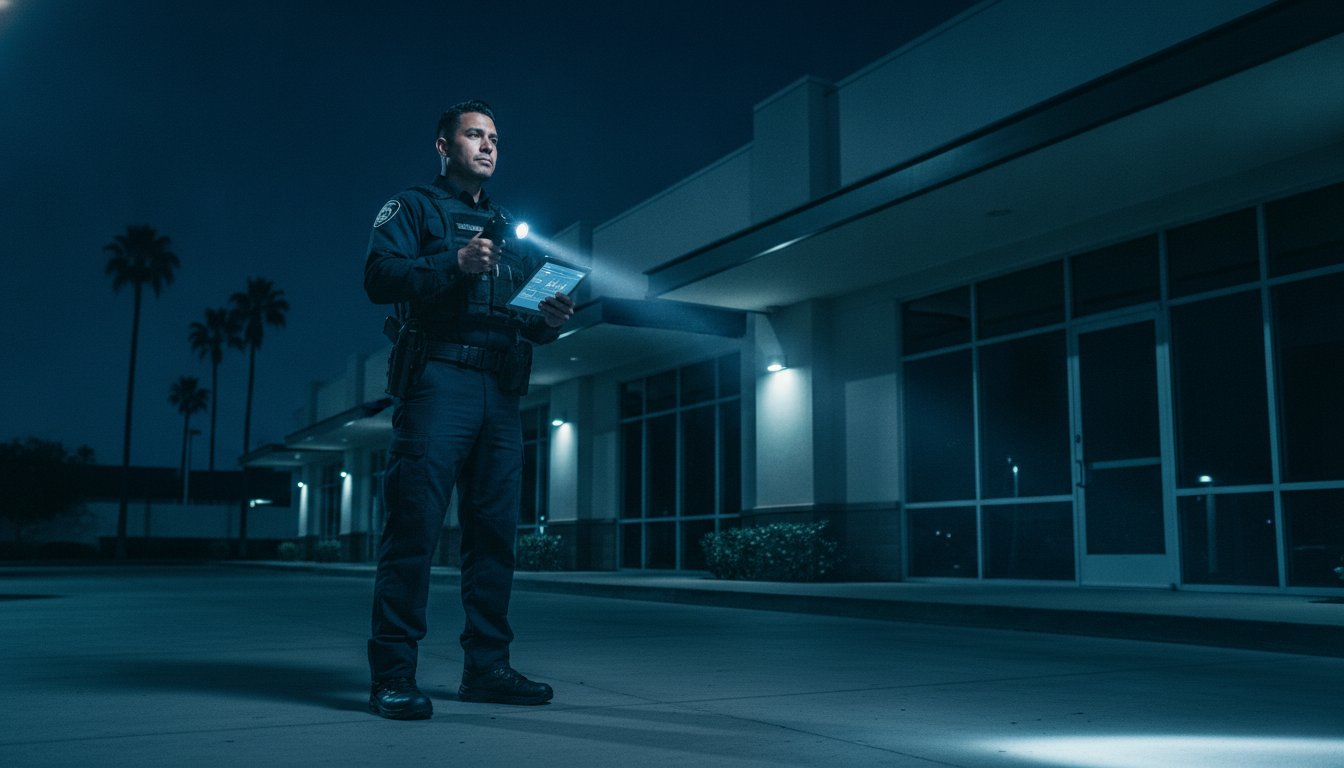
A vacant loading area at 2:00 a.m., an apartment garage with repeated vehicle break-ins, and a construction site with unsecured equipment do not always require a guard stationed at one door all night. They do require visible, disciplined coverage that makes unauthorized activity harder to carry out unnoticed. Mobile patrol security services provide that coverage through marked patrol vehicles, scheduled and randomized site checks, trained officers, and documented reporting.

For Los Angeles properties with multiple access points, large footprints, changing operating hours, or after-hours exposure, patrol coverage can be a practical way to improve deterrence without assigning a full-time officer to every location. The value depends on how the patrol program is designed, supervised, and documented. A vehicle driving through a lot without clear post orders is not a security plan. A structured patrol operation is.

What Mobile Patrol Security Services Do

Mobile patrol officers travel between assigned properties or patrol designated areas within a large site. Their primary function is to create a visible security presence, inspect conditions, identify suspicious activity, respond within the scope of their assignment, and record what occurred.

A patrol officer may check gates, doors, fencing, loading docks, parking areas, common areas, utility rooms, vacant units, construction equipment, and other vulnerable points. At a commercial property, the officer may confirm that rear entrances are secured after closing. At a residential community, the patrol may address parking violations, monitor amenity areas, and investigate resident concerns. At an industrial facility, the assignment may focus on perimeter integrity, vehicle activity, and access control after business hours.

The patrol route should not be treated as a casual drive-by. Effective coverage follows site-specific post orders that identify required checkpoints, access procedures, emergency contacts, escalation instructions, and known risks. Officers should know what normal operations look like at the property so they can recognize exceptions quickly.

Visible deterrence is part of the assignment

A marked vehicle, uniformed officer, and consistent patrol pattern send a clear message: the property is actively monitored. That presence can discourage trespassing, theft, vandalism, illegal dumping, vehicle burglary, and unauthorized access before an incident develops.

Visibility alone is not enough, however. Patrols must be frequent enough to matter and unpredictable enough that an offender cannot plan around them. Some sites benefit from fixed scheduled checks, such as opening and closing inspections. Others need randomized patrol windows because incidents tend to occur during late-night or low-traffic periods.

Patrol officers also identify conditions that create risk

Security concerns are not limited to criminal activity. An officer may find a damaged gate, a propped-open fire door, poor lighting, water intrusion, an unsecured key box, or a blocked emergency access route. These observations give property management an opportunity to correct problems before they become losses, liability issues, or operational disruptions.

Detailed incident and activity reporting is critical here. A useful report identifies the date, time, location, condition observed, actions taken, parties notified, and any recommended follow-up. Documentation supports management decisions and creates a record of the security provider’s performance.

When Mobile Patrol Coverage Is the Right Fit

Patrol coverage is often a strong option for properties that need regular oversight but do not need a dedicated officer at one fixed post every hour. This includes multi-tenant retail centers, office parks, warehouses, apartment communities, construction sites, vehicle yards, medical offices, schools during non-operating hours, and properties with several nearby locations.

It can also supplement existing staffing. A facility with a daytime lobby officer may use mobile patrols to secure the exterior after business hours. A construction site may need a patrol officer to make evening rounds while higher-risk phases of work require a dedicated overnight guard. An event venue may use vehicle patrols to monitor perimeter areas and parking zones beyond the main entry point.

The decision comes down to risk, layout, and response expectations. If a location has frequent confrontations, high-value assets, constant public traffic, or a critical access-control post, a dedicated on-site guard may be the better choice. Mobile patrols cannot maintain continuous observation of one entrance while they are checking another area or servicing another assigned property.

For many clients, the best approach is layered coverage: controlled access during active hours, mobile patrol inspections after hours, and clear procedures for alarm response or emergency escalation. The plan should match the actual exposure instead of forcing every property into the same staffing model.

Building an Effective Patrol Plan

A patrol assignment should begin with a site assessment. Security leadership needs to understand where people enter, where assets are stored, which areas are poorly lit, when the property is most vulnerable, and how employees, residents, vendors, or visitors move through the site.

The resulting plan should define patrol frequency, required checkpoints, vehicle access, officer duties, report requirements, communication procedures, and escalation authority. It should also account for practical site conditions. A patrol vehicle may be ideal for a large industrial yard, while an apartment complex may require the officer to park and conduct foot patrols through garages, corridors, and amenity spaces.

Post orders create consistency

Clear post orders prevent guesswork. They tell the officer which gates must be checked, whether doors should be locked or merely reported, who to contact for maintenance issues, how to handle trespassers, and when law enforcement or emergency services should be called.

They also establish boundaries. Security officers should enforce the client’s rules professionally and within their authority. The objective is to protect people and property, de-escalate when possible, and preserve accurate information for management and responding agencies.

Supervision protects service quality

Mobile patrol work requires active management because officers operate across wide areas and changing conditions. Responsive supervision helps confirm that patrol procedures are being followed, incidents are addressed correctly, and client concerns receive prompt attention.

A dependable provider should have a process for reviewing reports, handling missed checkpoints, updating post orders, and communicating recurring issues to the client. If a rear gate repeatedly fails to latch or a particular area draws trespassing complaints, that pattern should lead to a corrective recommendation, not simply another report.

What to Ask Before Hiring a Patrol Provider

Property managers and facility directors should look beyond an hourly rate. A lower-cost patrol service may offer little value if arrival times are unclear, reports are incomplete, and no supervisor follows up when problems repeat.

Ask how patrol frequency is established and whether patrol times can be randomized. Confirm what is included in each visit: exterior checks, interior common-area inspections, lock checks, alarm response, parking enforcement, or incident response may be separate services. Clarify how officers document activity, how quickly serious incidents are escalated, and who is available after normal business hours.

It is also reasonable to ask about licensing, insurance, officer training, vehicle identification, supervisory structure, and experience with properties similar to yours. For California clients, the provider should be properly licensed and staffed with trained personnel appropriate to the assignment. If armed coverage is being considered, the scope, risk level, and officer qualifications should be evaluated carefully rather than added as a default.

Reporting Turns Patrol Activity Into Accountability

A patrol service is easier to manage when each visit leaves a clear record. Reports should verify completed patrol activity and provide useful detail without burying the client in vague notes. “Property checked, all clear” does not explain which areas were inspected or whether any conditions required attention.

Better reporting helps clients identify trends. Repeated loitering near a side entrance may justify improved lighting or access controls. Frequent parking violations may require revised signage or enforcement procedures. Multiple false alarms may reveal a maintenance issue that needs correction. Security reporting should support operational decisions, not sit unread in an inbox.

Broadway Security Services approaches patrol deployment as a controlled field operation: site-specific procedures, visible marked patrols, responsive supervision, and reliable incident documentation. That discipline matters because patrol coverage is only as strong as the officer’s ability to observe, respond, and communicate.

The right patrol plan gives a property regular eyes on vulnerable areas without paying for unnecessary fixed coverage. Start with the conditions that create exposure at your site, then set patrol duties and reporting standards that make every visit accountable.

Construction Site Security Guards That Protect Projects

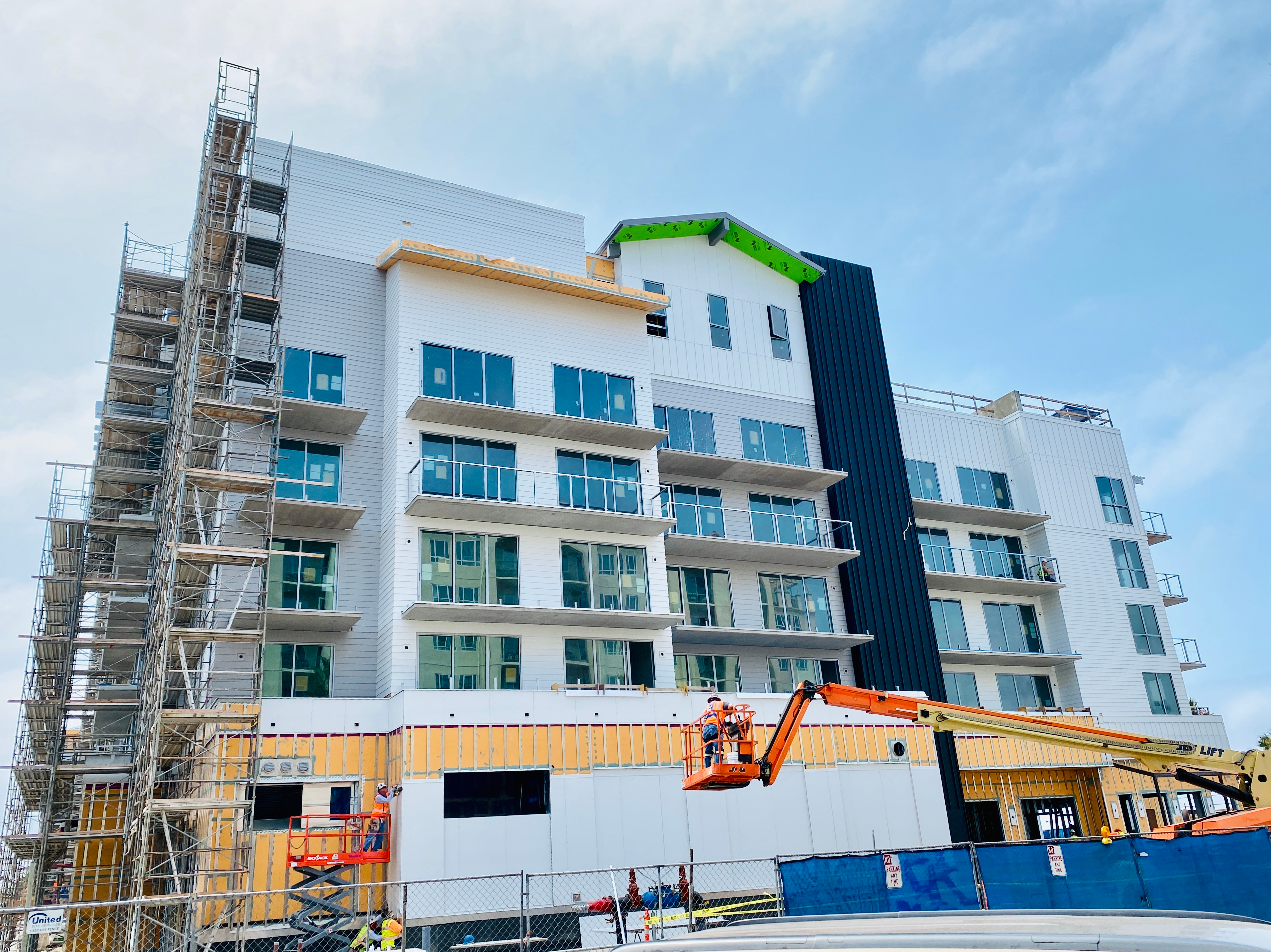
A missing skid steer, unauthorized delivery, or overnight trespasser can set a construction project back before the next crew arrives. Construction site security guards provide the visible, disciplined presence needed to protect materials, equipment, workers, and access points when a jobsite is most exposed.

For Los Angeles construction managers and property owners, security is not simply a response to theft. It is a site-control function. Properly deployed guards help maintain order around changing work zones, document incidents, monitor safety concerns, and enforce the rules that keep a project moving.

Why Construction Sites Need Controlled Security

Construction sites are difficult environments to secure because they change constantly. Fencing moves, new subcontractors arrive, equipment is relocated, deliveries occur at irregular hours, and portions of the site may remain open while other areas are secured. A plan that worked during grading may no longer fit once structural work, interior buildout, or tenant improvements begin.

The most common exposures are well known: theft of tools and copper, fuel loss, vandalism, unauthorized entry, illegal dumping, fire hazards, and damage to parked equipment. Yet the operational impact often goes beyond the value of a stolen item. A missing generator can delay a concrete pour. Damaged fencing can create a liability concern. Unauthorized persons entering an active work area can put workers, the public, and the project owner at risk.

A guard presence creates a direct deterrent while providing a trained person who can observe conditions, challenge unauthorized activity professionally, and escalate issues according to clear post orders. Cameras, alarms, and lighting have value, but they do not replace an officer who can assess an unusual situation in real time, control access, and call for support when needed.

What Construction Site Security Guards Do

The responsibilities of construction site security guards should be defined around the site rather than copied from a generic guard checklist. A high-rise project, a vacant redevelopment parcel, and a warehouse renovation each require different patrol routes, access procedures, and reporting standards.

At most sites, guards manage entry and exit activity by checking identification, verifying authorized vendors, logging deliveries, and directing visitors to the appropriate contact. This controlled access monitoring helps prevent unknown individuals from walking onto an active jobsite or removing property without authorization.

Guards also conduct scheduled and random patrols. These patrols may cover perimeter fencing, gates, storage containers, material laydown areas, parking areas, equipment staging zones, temporary offices, and fire watch locations. Patrol activity should be documented, not assumed. Time-stamped reports give site management a record of observed conditions, access issues, damaged barriers, and incidents requiring follow-up.

After hours, the officer’s role often centers on deterrence and early detection. They can identify an open gate, a cut fence, suspicious vehicles, water leaks, fire risks, unsecured equipment, or activity near high-value materials before the issue becomes a larger loss. When an incident occurs, the guard should preserve the scene when safe, notify designated contacts, coordinate with emergency responders as necessary, and prepare a factual report.

The Right Coverage Depends on the Project Phase

Security coverage should change as the project changes. Early-stage sites with open perimeters may benefit from mobile patrols, gate checks, and irregular inspection times. Once expensive equipment, copper, appliances, fixtures, or finished materials are on site, a dedicated overnight officer may be justified.

Daytime coverage can be equally valuable on busy projects. A professional guard at the entrance can manage contractor sign-in procedures, verify deliveries, reduce gate congestion, and keep unauthorized solicitors or visitors away from crews. This is particularly useful where projects share space with occupied buildings, retail operations, schools, hospitals, or residential communities.

The choice between armed and unarmed coverage requires a realistic assessment of the location and threat level. Unarmed guards are appropriate for many construction sites where access control, patrol discipline, and visible deterrence are the primary needs. Armed coverage may be considered for sites with repeated criminal activity, high-value assets, isolated conditions, or credible threats. It should never be selected as a substitute for sound access procedures, lighting, fencing, communication, and responsive supervision.

Coverage hours also require careful review. A site that is empty from 6 p.m. to 6 a.m. has a different exposure than one with night work, early material deliveries, or weekend activity. In some cases, marked vehicle patrols provide effective periodic visibility. In others, continuous on-site staffing is necessary because response time, equipment value, or neighborhood conditions leave little room for gaps.

Build Post Orders Around Real Jobsite Risks

Clear post orders separate accountable security service from a guard who has merely been assigned to stand at a gate. Written instructions should identify the guard’s duties, patrol locations, authorized contacts, emergency procedures, access rules, delivery protocols, and documentation requirements.

For example, a guard should know who may approve an after-hours vendor, how to respond when a gate alarm activates, where fire extinguishers and shutoffs are located, and which site areas are restricted. They should understand when to notify the superintendent, when to contact law enforcement, and when conditions require emergency services.

Post orders should also address practical issues that are easy to overlook. Are subcontractors required to display badges? Can vehicles enter without a delivery appointment? Where should drivers wait? Who has authority to release stored materials? Are there noise restrictions near neighboring residences? These details reduce confusion and help guards enforce consistent standards without disrupting legitimate work.

A construction security provider should review post orders with site leadership and update them as conditions change. A static plan becomes unreliable quickly when new gates, trailers, material storage areas, or work shifts are introduced.

Reporting Is Part of the Protection

Security reporting is more than an administrative task. Accurate daily activity reports and incident reports provide management with a usable record of what occurred on site, when it occurred, what action was taken, and whether additional controls are needed.

Useful reports document patrol times, visitor and vehicle activity, access violations, suspicious behavior, safety observations, damaged property, and communications with site representatives. If a pattern develops, such as repeated attempts to enter through a weak portion of the fence, management can act on evidence rather than assumptions.

Documentation also supports accountability. Property owners, general contractors, and project managers need to know whether patrols were completed, whether access rules were enforced, and whether concerns were escalated promptly. A security program without reliable reporting leaves too much uncertainty after an incident.

What to Look for in a Security Provider

When evaluating a contractor, look beyond the hourly rate. Low-cost staffing can create expensive gaps if officers arrive late, lack site-specific direction, receive little supervision, or fail to produce usable reports. Construction work demands personnel who present themselves professionally, follow procedures, and understand that the site superintendent needs concise, timely communication.

Ask how officers are selected, trained, supervised, and relieved at shift change. Confirm that the provider is licensed and insured, can supply the appropriate level of coverage, and has a process for responding to call-offs or urgent changes. Review sample reporting practices and ask how field supervisors verify officer performance.

It is also reasonable to ask how the company will learn the site. A provider should evaluate perimeter conditions, gate locations, traffic patterns, material storage, neighboring activity, lighting, existing cameras, and known incidents before recommending coverage. Broadway Security Services builds assignments around these conditions so guard responsibilities support the project rather than becoming a disconnected presence at the gate.

Security Should Protect the Schedule, Not Just the Site

The strongest construction security program is visible, documented, and adaptable. It protects equipment and materials, but it also reduces the interruptions that can affect labor, deliveries, inspections, and project milestones. That requires trained officers, clear post orders, responsive supervision, and regular communication with site leadership.

A construction site changes every week. Security should be reviewed with the same discipline. When the perimeter, stored assets, work hours, or neighborhood exposure changes, the coverage plan should change with it. That ongoing attention is what turns guard coverage into a practical layer of project control.

Manufacturing Plant Security Services: A Strategic Guide to Industrial Protection in 2026

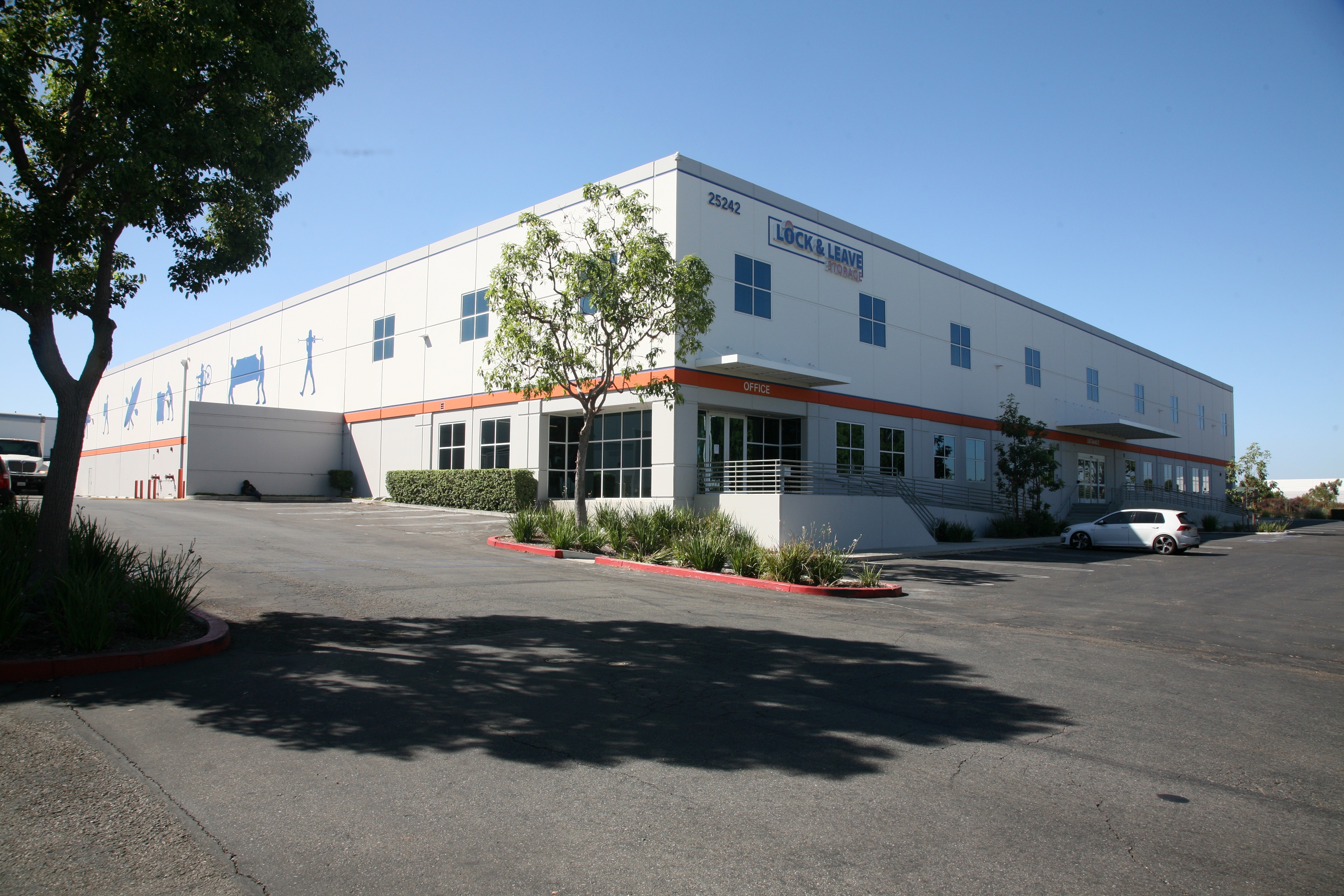
A single security breach in a high-stakes production environment isn’t just a loss of inventory; it’s a total failure of the operational chain of command. In 2026, the margin for error in industrial protection has vanished. You likely recognize that passive observation is no longer a viable defense against sophisticated theft or the liability of workplace safety incidents. Maintaining a secure facility requires more than just presence. It demands a disciplined, professional strategy tailored for the unique challenges of the California market. Investing in elite manufacturing plant security services ensures that your high-value industrial assets remain under the care of a vigilant and unyielding force.

We agree that your facility’s integrity is the foundation of your production success. This strategic guide provides the necessary framework to secure your operations and ensure full compliance with state safety regulations, including the latest 2026 Cal/OSHA mandates. You’ll learn how a professional, disciplined guard presence transforms a vulnerable site into a zero-breach environment. We’ll preview the critical intersection of physical oversight and regulatory rigor, from new lead exposure limits to the January 2026 OSHA injury tracking deadlines. Your assets deserve a shield that prioritizes safety, trust, and military-like precision.

Key Takeaways

  • Identify the three core pillars of industrial risk and the strategic protocols required to prevent production downtime caused by security failures.
  • Evaluate facility risk profiles to implement the correct deployment of armed or unarmed manufacturing plant security services as a visible, disciplined deterrent.
  • Master the standards for rigorous access control and professional vulnerability assessments to secure sensitive production areas against unauthorized entry.
  • Ensure strict adherence to 2026 Cal/OSHA standards and California fire watch mandates to mitigate liability and maintain regulatory standing.
  • Discover how military-like precision in security management provides a reliable defense for high-value industrial assets throughout Southern California.

The Industrial Threat Landscape: Why Manufacturing Plants Require Specialized Security

Securing a manufacturing facility requires a level of precision that exceeds standard commercial protection. Unlike retail or office environments, industrial sites operate within a complex web of high-value machinery, proprietary processes, and sensitive supply chains. A security failure here isn’t just an inconvenience; it’s a catastrophic disruption to the operational chain of command. When a production line halts due to theft or sabotage, the financial impact accumulates by the minute. Our manufacturing plant security services provide a disciplined shield, ensuring that your facility remains a controlled and productive environment.

Effective industrial protection rests on three critical pillars. First, asset theft involves the organized removal of raw materials or finished goods. Second, industrial espionage targets the proprietary methods that give your brand its competitive edge. Third, internal sabotage can cripple expensive machinery from within. Generic security protocols often fail in these settings because they lack the specialized training to understand industrial workflows. A professional guard must be more than a presence; they must be a vigilant observer capable of identifying anomalies in a high-stakes environment.

External Threats: From Theft to Espionage

External actors frequently target manufacturing hubs for the high resale value of raw materials like copper, specialized chemicals, and precision components. Organized criminal groups often conduct surveillance to identify gaps in perimeter integrity. Implementing robust Physical security measures is the first line of defense against these incursions. This includes a combination of disciplined perimeter patrols and professional gate oversight to verify every vehicle and individual entering the site.

Beyond simple theft, industrial espionage remains a persistent threat to California manufacturers. Competitors or foreign entities may seek unauthorized access to sensitive production areas to document proprietary technology. A disciplined security presence ensures that these high-risk zones remain inaccessible to anyone without the proper credentials. Vandalism also poses a significant risk; a single act of criminal damage to a specialized piece of equipment can result in weeks of downtime and millions in lost revenue.

Internal Vulnerabilities and Loss Prevention

Internal risks often present the most complex challenges for plant managers. Inventory shrinkage and employee theft can erode profit margins if left unchecked. A professional guard presence acts as a deterrent against internal theft by maintaining strict oversight of loading docks and employee exits. This level of accountability is essential for maintaining order and protecting the company’s bottom line.

Managing access to R&D zones or hazardous areas is equally vital for safety and compliance. Our guards are trained to identify insider threats, such as disgruntled staff or individuals attempting to bypass safety protocols. By enforcing rigorous access control and monitoring internal movement, we mitigate the risk of sabotage before it escalates. This systematic approach ensures that every person on your site is authorized to be there, creating an atmosphere of total reliability and safety.

Implementing a Disciplined Shield: Armed vs. Unarmed Guard Strategies

Establishing a secure industrial environment requires a calculated approach to personnel deployment. Every facility presents a unique risk profile that dictates the necessary level of force. A disciplined shield isn’t about excessive force; it’s about the right force for the specific threat landscape. By consulting the Critical Manufacturing Sector Security Guide, plant managers can align their physical defense with federal standards for infrastructure protection. Broadway Security Services prioritizes this alignment, training personnel to handle the specific operational rhythms of a manufacturing floor with military-like precision.

The psychological impact of a visible, disciplined presence cannot be overstated. When security personnel move with purpose and adhere to strict protocols, it signals to both employees and potential intruders that the site is under professional oversight. This atmosphere of order discourages petty theft and procedural shortcuts that often lead to safety incidents. Effective manufacturing plant security services rely on this foundation of vigilance to prevent breaches before they occur.

Strategic Use of Unarmed Security Guards

Unarmed personnel serve as the foundation of professional oversight in many industrial settings. They’re ideal for scenarios involving access control, visitor management, and administrative oversight where the primary goal is order and protocol. Our Strategic Guide to Unarmed Security Guards details how these professionals maintain an authoritative presence without escalating tension. They act as the eyes and ears of the facility, ensuring that safety standards are met and that unauthorized individuals are identified at the perimeter. For many manufacturing plant security services, this level of presence provides the necessary balance between safety and a professional operational flow.

When to Deploy Armed Security Personnel

High-stakes environments require a more robust defensive posture. When a facility houses high-value assets, hazardous materials, or sensitive R&D zones, the deployment of Armed Security Guard Services Los Angeles becomes a critical deterrent. Armed personnel are trained for high-stakes response protocols, providing an unyielding defense against violent threats or sophisticated criminal incursions. This presence doesn’t just protect physical goods; it provides psychological peace of mind for the workforce, knowing that a vigilant force is prepared for any escalation.

Large warehouse complexes and expansive perimeters often exceed the reach of stationary posts. Integrating mobile patrol services allows for rapid response and consistent oversight across the entire property. These patrols bridge the gap between fixed access points and the far reaches of the production yard. If you’re ready to evaluate your facility’s defensive needs, consider how Broadway’s professional guards can provide the disciplined protection your assets require. This methodical approach ensures that no blind spots remain in your industrial shield.

Beyond Perimeter Patrols: Access Control and Vulnerability Assessments

A disciplined shield requires more than just physical presence. It demands a data-driven foundation where technology and human oversight operate in total synergy. While cameras and sensors provide constant data streams, they lack the judgment required to handle complex industrial anomalies. Elite manufacturing plant security services bridge this gap by integrating advanced surveillance with rapid, professional human response. Technology provides the alert, but the disciplined guard provides the resolution. This methodical approach ensures that every electronic signal is backed by a vigilant force ready to secure the site.

Relying solely on automated systems creates a false sense of security. Sophisticated threats often exploit the blind spots within digital perimeters. A professional site vulnerability evaluation is the first step in identifying these structural weaknesses. This assessment isn’t a one-time suggestion; it’s a rigorous requirement for maintaining a zero-breach environment. By analyzing the flow of personnel and materials, you establish a defensive posture that accounts for every potential point of failure. Understanding How to Conduct a Professional Security Risk Assessment in California is essential for any facility manager committed to high-stakes reliability.

The Anatomy of a Manufacturing Risk Assessment

An effective industrial evaluation focuses on the areas where production and logistics intersect. Loading docks are frequently the most vulnerable points in a facility’s exterior. Guards must test internal security protocols for high-value inventory storage to ensure that internal sabotage remains impossible. We develop site-specific crisis management strategies that account for industrial emergencies, including chemical spills or equipment failures. This level of preparation ensures that the operational chain of command remains intact even during a crisis. Every vulnerability identified is a breach prevented.

Active Perimeter and Access Management

Rigorous access control serves as the gatekeeper of your production integrity. This process involves more than just checking badges; it requires the active verification of credentials and visitor intent. Guards act as a disciplined filter, ensuring that only authorized personnel enter sensitive R&D or production zones. For sprawling grounds, mobile patrols provide 24/7 coverage that stationary posts cannot achieve alone. This proactive movement mimics the standards set by Construction Site Security Guards, where changing environments require constant adaptation. Standardized manufacturing plant security services must evolve with the facility, ensuring that access remains restricted and every entry is accounted for with military-like precision.

Manufacturing Plant Security Services: A Strategic Guide to Industrial Protection in 2026

Compliance within the California industrial sector is a matter of operational survival. Regulatory standards in 2026 demand more than just written policies; they require active, disciplined enforcement on the production floor. Elite manufacturing plant security services act as the primary link between legal mandates and daily operations. By integrating professional guards into your safety hierarchy, you ensure that standards like the January 19, 2026, OSHA Hazard Communication deadline are met with consistent oversight. This disciplined shield protects your facility from the high cost of non-compliance and the liability of safety incidents.

A professional security strategy prioritizes accountability through rigorous reporting. Every observation is documented to satisfy state inspectors and insurance providers. This methodical approach ensures that your facility remains in good standing with both Cal/OSHA and local fire marshals. When professional guards manage the intersection of safety and security, they provide the peace of mind that comes from knowing your assets are under the care of a vigilant and unyielding force.

Industrial Safety and Hazard Monitoring

Professional guards serve as specialized safety observers who identify risks before they escalate into accidents. They monitor for Personal Protective Equipment (PPE) non-compliance and hazardous conditions that could trigger a Cal/OSHA inspection. During an emergency, these personnel lead evacuation procedures and provide immediate first aid or CPR response. Their training in de-escalation ensures that workplace safety incidents are handled with order and precision. This level of oversight is essential for facilities navigating the stricter lead exposure limits effective as of January 1, 2026. It’s a proactive measure that prevents minor infractions from becoming major liabilities.

Fire Watch Protocols for Manufacturing

Fire prevention is a critical component of industrial protection, especially during maintenance or system failures. California law requires a dedicated fire watch if a building’s alarm or sprinkler system is offline for more than four hours within a 24-hour period. Our personnel provide continuous monitoring of high-risk zones and facility perimeters to ensure total safety. This is particularly vital during “hot work” operations like welding or cutting, as mandated by Cal/OSHA Title 8, Section 4848. For a deeper understanding of these requirements, consult our Professional Fire Watch Services California guide. Ensuring your site meets these standards is a core function of high-stakes manufacturing plant security services. To secure your facility against fire risks and compliance failures, contact Broadway’s specialized security personnel today.

The Broadway Standard: Professional Security Management for Industry

Broadway Security Services operates with a commitment to military-like precision in every deployment. We don’t view ourselves as a mere staffing agency. Instead, we function as a disciplined shield for the industrial sector. Our manufacturing plant security services are built on a foundation of order, hierarchy, and an unwavering commitment to duty. Southern California firms prioritize our presence because we offer more than just observation. We provide an unyielding force that ensures your facility remains secure and your operational chain of command stays intact.

Reliability in high-stakes environments is non-negotiable. We understand that production cycles fluctuate, requiring a security strategy that is both rigid in its standards and flexible in its execution. Broadway offers hourly staffing flexibility, allowing plant managers to scale protection during peak production periods or high-risk maintenance windows. This approach provides the benefit of professional oversight without the constraints of traditional, inflexible contracts. It ensures that your assets are protected by a vigilant force exactly when the risk profile is highest.

Regional Expertise in Southern California

Securing an industrial facility requires localized intelligence. We understand the specific security dynamics of manufacturing hubs in Canoga Park, Woodland Hills, and the wider San Fernando Valley. Our regional focus allows for rapid response capabilities that national providers cannot match. We maintain a deep understanding of local crime trends and regulatory expectations within Los Angeles County. This localized expertise ensures that our guards are prepared for the unique challenges of the Southern California industrial landscape. By serving the San Fernando Valley with dedicated resources, we provide a level of oversight that is both serious and observant.

Procuring a Disciplined Shield

Initiating a professional defense for your facility begins with a comprehensive site evaluation. We transition from risk assessment to active protection by identifying the specific vulnerabilities of your production floor and loading docks. Our team works with you to customize security contracts that match your specific production cycles and risk levels. This ensures that every post is manned by a professional who understands the gravity of their responsibility. If you’re ready to secure your high-value assets with a strategy rooted in professional discipline, Contact Broadway Security Services for a Strategic Consultation. We’re prepared to provide the unyielding reliability your operations demand.

Securing the Future of Industrial Excellence

Industrial protection in 2026 demands a shift from passive observation to proactive, disciplined defense. We’ve established that elite manufacturing plant security services bridge the critical gap between technological surveillance and regulatory compliance. By integrating California-certified security professionals into your operational chain of command, you mitigate the risks of asset theft, internal sabotage, and costly downtime. Your facility’s integrity depends on a vigilant presence that understands the gravity of high-stakes industrial environments.

Adhering to rigorous fire watch protocols and updated safety mandates ensures your site remains a bastion of order and reliability. This methodical oversight doesn’t just protect physical goods; it fosters a culture of safety and professionalism across the production floor. If you’re ready to transition from vulnerability to active protection, Secure Your Facility with a Professional Risk Assessment. Our team brings specialized industrial crisis management expertise to every deployment, ensuring your assets are under the care of an unyielding force. You have the power to transform your facility into a zero-breach environment where production never falters.

Frequently Asked Questions

What are the specific security requirements for manufacturing plants in California?

California industrial sites must comply with Cal/OSHA workplace violence prevention standards and specific fire watch mandates. By January 19, 2026, manufacturers must also align with GHS Revision 7 for substance classification. Implementing professional manufacturing plant security services ensures these legal requirements are met through disciplined observation. This oversight protects the facility from the liability of safety incidents and the high cost of regulatory non-compliance.

How do armed security guards improve safety in a high-risk industrial setting?

Armed guards provide a decisive deterrent against high-stakes threats such as organized asset theft or workplace violence. In facilities housing high-value components or hazardous materials, their presence signals an unyielding commitment to protection. They’re trained for rapid response and crisis management, ensuring that any escalation is handled with military-like precision. This level of force is essential for maintaining a zero-breach environment in high-risk zones.

When is a fire watch service legally required for a manufacturing facility?

California law requires a fire watch if a facility’s fire alarm or sprinkler system is offline for more than four hours in a 24-hour window. Additionally, Cal/OSHA Title 8 mandates a fire watch during “hot work” operations, including welding or cutting. Professional guards provide continuous monitoring of high-risk zones and document their findings to satisfy insurance requirements and local fire marshals during these critical periods.

What is included in a professional security risk assessment for industrial sites?

A professional assessment includes a thorough site vulnerability evaluation to identify blind spots in perimeter defense and loading dock protocols. It tests internal access control for sensitive R&D zones and high-value inventory storage. The process concludes with a site-specific crisis management plan that addresses industrial emergencies. This methodical evaluation ensures that the facility’s defensive posture is grounded in operational reality and legal compliance.

How does Broadway Security Services ensure the reliability of its guard personnel?

Broadway Security Services ensures reliability by deploying highly trained personnel who adhere to strict standards of discipline and accountability. We prioritize localized expertise in the San Fernando Valley and Canoga Park, ensuring guards understand regional security dynamics. Every guard is trained in California regulatory compliance and industrial-specific protection protocols. This commitment to order and hierarchy ensures that your assets are under the care of a vigilant force.

Can security guards assist with OSHA and safety compliance on the plant floor?

Professional guards assist with compliance by monitoring for PPE non-compliance and identifying hazardous conditions on the production floor. They help enforce the 2026 OSHA injury tracking mandates and ensure adherence to stricter lead exposure limits effective as of January 1, 2026. By acting as safety observers, they bridge the gap between security and regulatory rigor, protecting the company from significant liability and safety fines.

What is the difference between hourly staffing and contractual security management?

Hourly staffing offers flexibility for fluctuating production cycles or short-term maintenance windows, while contractual management provides consistent, long-term oversight of site-specific protocols. Broadway coordinates both models to ensure unyielding reliability for industrial clients. Fees are based on total man-hours or recurring management needs. Both approaches prioritize a professional presence that maintains the operational chain of command and protects high-value industrial assets.

How does mobile patrol enhance security for large manufacturing perimeters?

Mobile patrols provide consistent oversight for sprawling warehouse complexes and expansive perimeters that stationary posts cannot cover alone. They allow for rapid response to alerts across the property and ensure that every entry point remains secure 24/7. This proactive movement discourages unauthorized access and internal sabotage. By utilizing mobile units, manufacturing plant security services maintain a vigilant presence that adapts to the changing rhythms of industrial operations.

Hospital Fire Watch Services: Specialized Compliance for California Healthcare

What if the most significant threat to your facility isn’t a fire, but a single missing entry in a compliance log? For California healthcare administrators, the risk of an immediate shutdown by the Fire Marshal is a constant pressure, especially when critical fire suppression systems fail. You know that in a “defend-in-place” environment, the safety of non-ambulatory patients depends entirely on the precision of your interim life safety measures. It’s a high-stakes responsibility where non-compliance during a CMS survey can result in devastating fines or the loss of accreditation.

Broadway Security Services delivers the disciplined hospital fire watch services necessary to secure your perimeter and your reputation. We promise to provide more than just a presence; we offer a professional, military-grade shield that ensures continuous CMS compliance while maintaining a quiet atmosphere that doesn’t alarm your patients. This article explores how our rapid, reliable deployment and Marshal-ready documentation help you navigate the 2025 California Fire Code with absolute peace of mind. You’ll learn how structured oversight transforms a regulatory burden into a standard of excellence.

Key Takeaways

  • Learn how to align your facility with the 2025 California Fire Code to prevent immediate Marshal shutdowns and maintain CMS accreditation.
  • Discover why specialized hospital fire watch services are the essential foundation of any Interim Life Safety Measures (ILSM) plan during system impairments.
  • Understand the “Defend-in-Place” doctrine and how professional oversight protects non-ambulatory patients without disrupting clinical operations.
  • Master a 5-step emergency protocol for the rapid deployment of certified personnel to avoid the high costs of non-compliance.
  • See how Broadway Security Services applies military precision and rigorous reporting to ensure your facility remains surveyor-ready at all times.

Hospital Fire Watch Services: Why Healthcare Facilities Require Specialized Protection

Hospital fire watch services are not a luxury; they’re a critical operational necessity when life safety systems fail. Unlike standard commercial properties, a hospital cannot simply evacuate when an alarm system goes offline. The “defend-in-place” strategy makes human vigilance the primary line of defense. Broadway Security Services provides a disciplined shield that ensures your facility remains operational and compliant with the 2025 California Fire Code. Relying on standard security patrols for these specialized tasks invites disaster. Professional fire watch requires specific training in smoke compartment identification and rapid communication protocols that general guards often lack.

Failure to provide adequate oversight leads to catastrophic consequences. CMS surveyors treat fire safety impairments with zero tolerance, often issuing “Immediate Jeopardy” findings that threaten federal funding. A local Fire Marshal in Canoga Park or Los Angeles has the authority to shut down entire wings if your documentation is insufficient. Our approach prioritizes order and precision to eliminate these risks. We provide the authoritative presence needed to maintain safety without disrupting the clinical environment.

Understanding the Vulnerability of Healthcare Environments

Hospitals house fragile populations where mass evacuation creates significant clinical risk. Because many patients are non-ambulatory or tethered to life-support systems, the facility must rely on sophisticated fire protection strategies that compartmentalize threats. High-oxygen environments and sensitive medical electronics further increase the volatility of the space. In these 24/7 operating environments, a fire watch specialist acts as an unyielding force, monitoring for ignition sources and ensuring that exit paths remain unobstructed. This level of oversight provides the peace of mind required for medical staff to focus on patient care during system impairments.

When is a Fire Watch Legally Required in a Hospital?

Regulatory mandates for a fire watch are strict and time-sensitive. Per the 2025 California Fire Code and current CMS regulations, a healthcare facility must implement a fire watch under the following conditions:

  • System Impairment: Any time a fire alarm or automatic sprinkler system is out of service for more than four hours within a 24-hour period.
  • Planned Maintenance: During scheduled upgrades or repairs that compromise active suppression systems in critical smoke compartments.
  • Regulatory Orders: When the California State Fire Marshal or local Canoga Park authorities identify a specific hazard that necessitates interim life safety measures.

Our team provides the rapid deployment needed to meet these legal triggers instantly. We ensure your facility remains a safe harbor for patients while satisfying every regulatory demand with meticulous documentation.

Compliance in healthcare is a matter of administrative survival. The intersection of NFPA 101 and CMS reimbursement requirements creates a rigid framework for facility managers that leaves no room for error. For those Navigating Compliance in California, the standards are unyielding and demand constant vigilance. CMS currently mandates adherence to the 2012 edition of the Life Safety Code, and any lapse in active fire protection triggers an immediate need for hospital fire watch services to maintain federal funding eligibility.

When a system fails, the facility must implement Interim Life Safety Measures (ILSM). This isn’t a suggestion; it’s a prerequisite for continued operation under high-stakes regulatory pressure. Broadway Security Services provides the disciplined oversight required to transform these regulatory demands into a verifiable shield. Our hospital fire watch services are designed to satisfy these specific documentation requirements, providing the “Marshal-Ready” evidence your facility needs to withstand unannounced audits. We prioritize a reporting structure that mirrors the military precision of our personnel, ensuring every patrol is documented with surgical accuracy.

The Anatomy of a Compliant Fire Watch Log

A fire watch log is a legal document, not a simple checklist. To withstand a CMS audit, every entry must include precise patrol times, the specific smoke compartments inspected, and clear hazard identification. Digital logs offer a superior level of accountability over paper systems by providing time-stamped verification of patrols that surveyors can’t dispute. These records must be readily available for inspection at a moment’s notice, reflecting a state of constant preparedness. The ILSM framework serves as the primary regulatory bridge that maintains facility safety and legal standing during fire system downtime.

CMS Survey Preparedness: Avoiding Costly Findings

Professional fire watch guards serve as your front-line defense during unannounced inspections. Surveyors look for gaps in coverage and signs of untrained personnel who don’t understand the gravity of their post. If a guard cannot articulate their specific duties within the ILSM protocol, the facility faces immediate citations that can lead to “Immediate Jeopardy” status. Conducting a thorough security risk assessment CA is the first step in establishing these protocols. By utilizing a disciplined force, you eliminate the common pitfalls of incomplete logs and inconsistent patrols. You can trust the experts at Broadway Security Services to maintain the rigorous standards your facility requires to avoid costly findings.

The Defend-in-Place Doctrine: How Professional Fire Watch Supports Clinical Care

The “defend-in-place” doctrine is the cornerstone of modern healthcare safety. It acknowledges that evacuating critically ill patients often presents a greater risk to life than the fire itself. Consequently, hospitals rely on structural compartmentalization to protect patients while bringing the response directly to the hazard. When active suppression systems fail, specialized hospital fire watch services become the mobile extension of those fire walls. By deploying a disciplined shield of personnel, Broadway Security Services ensures the facility remains a secure environment without the trauma of mass relocation. This approach aligns with federal CMS fire safety requirements, which prioritize patient stability alongside rigorous monitoring.

The presence of a professional guard has a profound psychological effect on both staff and patients. Nurses and physicians must focus on clinical outcomes, not scanning hallways for smoke or heat. A vigilant protector allows medical teams to operate with full concentration, knowing every corridor is under methodical oversight. Our personnel are trained to integrate into hospital workflows with clinical sensitivity. They maintain a quiet, professional presence that respects the healing environment while providing high-stakes reliability in every wing of the facility.

Tactical Patrols in Sensitive Clinical Areas

Patrolling an ICU, NICU, or surgical suite requires more than just a walking route; it demands an understanding of medical-specific hazards. Our guards receive specialized training to recognize the risks associated with pressurized gases, hazardous materials, and sensitive electronic equipment. This “silent vigilance” ensures that the most vulnerable zones receive the highest level of protection without disturbing patient rest or recovery. Broadway Security Services personnel move with purpose and discretion, ensuring every patrol reinforces the safety of the clinical mission through unwavering observation.

Communication Protocols Between Guards and Hospital Staff

Effective fire watch relies on a rigid chain of command and clear communication. In the event of an actual emergency, our guards act as an organized force to assist hospital staff with internal patient relocation. They provide the direct, authoritative communication needed to execute horizontal evacuations across smoke compartments efficiently. By establishing these protocols before an incident occurs, we bridge the gap between security and clinical care. Every patrol is a disciplined shield, protecting both the physical assets of the facility and the lives within its walls.

Hospital Fire Watch Services: Specialized Compliance for California Healthcare

Implementing an Emergency Fire Watch: A 5-Step Rapid Response Protocol

When a fire suppression system fails, the window for action is narrow. A structured response is the only way to maintain safety and avoid the heavy hand of regulatory enforcement. Broadway Security Services operates with a sense of urgency and order, ensuring your facility transitions from impairment to a state of vigilant oversight without delay. Following a specific protocol prevents the confusion that often leads to CMS citations or Fire Marshal intervention. Our hospital fire watch services provide the disciplined framework necessary to manage these high-stakes transitions with military precision.

  • Step 1: Immediate Notification. Inform the Fire Marshal and your insurance providers. This creates the legal record of the impairment and your intent to comply with safety standards.
  • Step 2: Rapid Deployment. Mobilize certified personnel immediately. Having a professional force on-site before the four-hour mark is critical to maintaining facility operational status.
  • Step 3: Site Orientation and ILSM Briefing. Conduct a thorough briefing on Interim Life Safety Measures. Every guard must understand the specific hazards and “defend-in-place” protocols of the facility.
  • Step 4: Commencement of Continuous Patrols. Begin documented rounds across all impaired zones. Vigilance must be constant, with no gaps in observation or reporting.
  • Step 5: Daily Log Review. Audit fire watch logs every 24 hours. This ensures ongoing compliance and allows for the immediate mitigation of any newly identified hazards.

Rapid Deployment for Southern California Facilities

Our strategic proximity to Woodland Hills and Canoga Park ensures that we can provide an emergency response that outpaces generic security firms. We manage the logistics of 24/7 staffing to ensure zero lapses in coverage during shift changes. A disciplined shield is only effective if it remains unbroken. Our fire watch services California pillar guide serves as the foundation for this rapid response, providing a clear roadmap for facility managers under pressure. We prioritize reliability so you can focus on clinical care.

Site Orientation: More Than Just a Walkthrough

A professional guard must know the terrain to protect it. Our orientation process involves identifying critical shut-off valves, fire exits, and high-risk utility rooms that standard patrols might overlook. We brief our personnel on the specific smoke compartments and “defend-in-place” zones unique to your healthcare environment. This level of detail allows our guards to integrate seamlessly into the hospital’s existing incident command system. By understanding the facility’s geography, our team acts as a vigilant extension of your internal safety department. Contact Broadway Security Services today to secure a disciplined response for your facility.

Broadway Security: Disciplined Fire Watch Solutions for Southern California Healthcare

Broadway Security Services stands as the premier provider of hospital fire watch services for the San Fernando Valley and the greater Los Angeles area. Our deep roots in Canoga Park and Woodland Hills allow us to offer a level of accountability that national firms cannot match. We understand the specific expectations of local Fire Marshals and the nuances of Southern California regulatory scrutiny. This local expertise ensures that our response is not only rapid but also perfectly aligned with the standards of your specific jurisdiction. We provide a disciplined presence that acts as an unyielding force against the risks of fire and non-compliance.

Facility safety often requires a multi-layered approach that extends beyond fire observation. To achieve total facility security, we offer the ability to integrate our fire watch personnel with armed security guard services Los Angeles. This combination creates a comprehensive shield for your institution, addressing both life safety impairments and physical security threats simultaneously. By consolidating these functions under a single, disciplined partner, you ensure a unified chain of command and a consistent standard of professional conduct across your entire campus.

The Broadway Standard: Training and Discipline

Our guards undergo a rigorous vetting process specifically designed for high-stakes healthcare assignments. We do not deploy generalists; we deploy specialists who understand the gravity of their post. Every member of our team receives training in clinical sensitivity and the technical requirements of hospital smoke compartments. To maintain patrol integrity, we implement constant field supervision and unannounced site checks. This oversight ensures that every entry in your fire watch log is accurate and every corridor is monitored with military precision. We position our guards as the disciplined shield of your institution, valuing rules and protocols above all else.

Securing Your Facility Today

Initiating a contract for hospital fire watch services with Broadway Security Services is a direct and efficient process. We offer customizable solutions that scale to your specific needs, whether you face a sudden system impairment or a multi-year construction project requiring “hot work” oversight. Our team is prepared to deploy certified personnel to your facility at a moment’s notice, ensuring you never exceed the critical four-hour impairment window. This responsiveness is backed by a commitment to safety through operational rigor that defines our brand identity.

Don’t leave your accreditation or patient safety to chance. Contact our Canoga Park office for immediate healthcare fire watch deployment. Secure your perimeter now.

Securing Your Facility’s Compliance and Patient Safety

Maintaining facility operational status during fire system impairments requires more than just meeting a legal requirement. It demands a commitment to the defend-in-place doctrine and the unwavering oversight of trained professionals. You’ve seen how rigorous documentation and rapid deployment protocols prevent CMS Immediate Jeopardy findings. Reliable hospital fire watch services bridge the gap between technical failure and clinical excellence.

Broadway Security Services provides this bridge with a Woodland Hills headquarters designed for rapid Southern California deployment. Our team brings specialized expertise in ILSM and CMS compliance to every wing of your institution. We deploy disciplined, professional security personnel who act as a vigilant shield for your assets and your patients. Trust our local accountability and military-grade precision to maintain your facility safety standards without compromise.

Secure Your Healthcare Facility with Broadway’s Disciplined Fire Watch Services. Your facility remains a safe harbor under our watch.

Frequently Asked Questions

What is the difference between standard fire watch and hospital fire watch?

Hospital fire watch services differ significantly from standard commercial patrols because they operate within a “defend-in-place” framework. While standard guards might focus on evacuation, healthcare specialists prioritize the protection of non-ambulatory patients and the maintenance of smoke compartments. These guards must understand medical-specific hazards, such as pressurized oxygen and sensitive electronics. This specialized oversight ensures that clinical operations continue without disruption while satisfying the rigorous demands of CMS and the California State Fire Marshal.

How quickly can Broadway Security Services deploy to a hospital in Canoga Park?

Broadway Security Services maintains its headquarters in Woodland Hills, which allows for rapid deployment to Canoga Park and the surrounding San Fernando Valley. Our strategic location ensures that we can mobilize certified personnel to your facility well within the critical four-hour impairment window. This proximity is a core component of our disciplined shield, providing healthcare administrators with the high-stakes reliability needed to avoid immediate facility shutdowns and costly regulatory fines during system failures.

Does CMS require a specific format for fire watch logs?

CMS does not mandate a specific visual template, but it requires that documentation adheres to the 2012 edition of NFPA 101. Every log must be auditable, showing precise patrol times, specific smoke compartments visited, and any hazards identified. Broadway Security Services utilizes a reporting structure that mirrors military precision, ensuring every entry is time-stamped and Marshal-ready. Digital logs are preferred for modern auditing because they provide verifiable proof of presence that paper records cannot match.

Can fire watch guards perform other security duties while on patrol?

A guard assigned to a fire watch post cannot perform other security duties simultaneously. Regulatory standards from the NFPA and CMS require fire watch personnel to remain dedicated solely to the detection and prevention of fire hazards. Any distraction from this primary duty compromises the safety of the “defend-in-place” population and risks an Immediate Jeopardy finding during a survey. Our personnel focus exclusively on their patrol routes to ensure the integrity of your facility’s interim life safety measures.

How long can a hospital operate under a fire watch before needing system repairs?

A hospital can operate under a fire watch as long as the Authority Having Jurisdiction or Fire Marshal permits, provided the interim life safety measures are fully maintained. However, fire watch is intended as a temporary solution while system repairs are expedited. Prolonged reliance on manual patrols may draw increased scrutiny from surveyors. Broadway Security Services provides the professional oversight needed for both short-term emergency impairments and long-term construction projects, ensuring continuous compliance until your systems are restored.

Are Broadway’s fire watch guards trained in NFPA 101 standards?

Our guards receive specialized training that covers the requirements of the NFPA 101 Life Safety Code, specifically the 2012 edition mandated by CMS. This training ensures that every member of our force understands the technical aspects of smoke barriers, exit access, and hazard identification within a clinical setting. By maintaining these high standards of personnel management, we provide a disciplined protector for your facility. This expertise grounds our professional claims in legal and regulatory reality for California healthcare.

What happens if a fire watch guard discovers a hazard during a patrol?

When a guard discovers a hazard, they follow a rigid communication protocol to ensure immediate mitigation. This includes notifying the hospital’s incident command and the facility manager while simultaneously documenting the event in the fire watch log. If the hazard presents an immediate threat, the guard initiates the facility’s internal emergency response plan to protect patient areas. Every action is recorded with surgical accuracy to provide a clear audit trail for future Fire Marshal inspections or CMS surveys.

Is a fire watch required for planned fire alarm maintenance?

A fire watch is legally required during planned maintenance if the fire alarm or sprinkler system will be out of service for more than four hours in a 24-hour period. This requirement applies even if the maintenance is scheduled in advance. Implementing professional hospital fire watch services during these windows ensures that your facility remains compliant with the 2025 California Fire Code. Proactive deployment prevents the risk of accidental system triggers or undetected ignitions while technicians work on the primary suppression infrastructure.

Fire Watch Requirements California: The 2026 Strategic Compliance Guide

A single fire system failure isn’t just a technical glitch; it’s a critical vulnerability that triggers an immediate legal mandate under California Fire Code § 901.7. If your fire alarm or sprinkler system remains impaired for more than four hours within a 24-hour window, you’re legally required to implement a professional patrol. Mastering the fire watch requirements California enforces is the only way to shield your assets from both physical fire and aggressive regulatory fines. You likely feel the pressure of overlapping NFPA standards and state-specific mandates. It’s a high-stakes environment where confusion leads to immediate red tag closures.

This guide provides the strategic framework you need to master these rigorous operational standards and maintain absolute compliance. We’ll clarify the exact legal triggers for deployment and the disciplined logging protocols required to pass a Fire Marshal inspection without hesitation. You’ll gain a compliant framework that replaces site anxiety with methodical, unyielding human vigilance. We will examine the 2026 updates to LAFD Regulation 4, Cal/OSHA hot work durations, and the transition toward digital reporting standards.

Key Takeaways

  • Identify the specific legal triggers, including system impairments exceeding four hours, that necessitate an immediate shift to human oversight.
  • Implement methodical patrol protocols that ensure every area of your facility remains under the care of a vigilant and unyielding force.
  • Maintain absolute compliance by mastering the documentation standards for fire watch requirements California officials demand during inspections.
  • Execute precise monitoring windows for hot work operations to mitigate risks from welding, cutting, and grinding activities.
  • Transition from high-stakes vulnerability to a state of order through disciplined risk assessment and professional field performance.

The California Fire Code Mandate: When Fire Watch Becomes Compulsory

California law views fire protection as a layered defense system. When the electronic layer fails, the human layer must immediately engage to prevent catastrophic loss. Under the California Fire Code (CFC), a fire watch is a state-mandated monitoring system designed to provide continuous human surveillance when automated systems are compromised. These fire watch requirements California businesses must follow are not optional guidelines; they’re strict legal mandates enforced with absolute authority. The primary trigger occurs under CFC Section 901.7, which dictates that if a fire sprinkler or alarm system is out of service for more than four hours within a 24-hour period, the property owner must notify the fire department and initiate a patrol. This replaces failed technology with a disciplined, observant presence capable of identifying hazards and initiating emergency protocols without delay.

Understanding Title 19 and NFPA Standards

Title 19 of the California Code of Regulations establishes the baseline for public safety and property protection. It works in tandem with NFPA 101, the Life Safety Code, to ensure that high-occupancy structures remain habitable even during system maintenance. While a planned outage for system upgrades allows for scheduled oversight, an emergency malfunction requires an immediate transition to active deployment. This transition often involves a Fire Watch during Hot Work or system impairment to mitigate the elevated risk of ignition. The Fire Marshal maintains the authority to order 24/7 human surveillance until the Authority Having Jurisdiction (AHJ) certifies that the automated systems are fully restored to operational status. This level of oversight ensures that life and property remain protected from fire, explosion, and panic, even when technology fails.

The Consequences of Non-Compliance

Ignoring fire watch mandates carries severe penalties that extend far beyond simple administrative fines. Local authorities in the San Fernando Valley have the power to issue immediate “Stop Work” orders or red-tag a building, forcing a total site shutdown until compliance is verified. This loss of operational capacity is often accompanied by the immediate voidance of commercial insurance policies. If a fire occurs while a required watch is absent, carriers frequently deny claims based on the failure to maintain required safety standards. Property owners in areas like Woodland Hills or Canoga Park face massive legal and financial liabilities that can threaten the very existence of their enterprise. Maintaining a disciplined shield isn’t just about safety; it’s about the survival of your business assets under the scrutiny of California’s regulatory framework. Professional vigilance is the only acceptable response to a system failure.

Methodical Patrol Protocols: The Disciplined Guard’s Operational Duties

A fire watch is not a passive assignment. It is an active, tactical deployment that requires a vigilant and unyielding force to maintain site safety. Adhering to the fire watch requirements California mandates involves more than just presence; it requires a methodical patrol rhythm that covers every square foot of the facility. These rounds must be conducted with military-like precision to ensure that no vulnerability remains unaddressed. A professional guard acts as a disciplined shield, replacing failed electronic sensors with heightened human senses. This approach ensures that the transition from risk assessment to active deployment is seamless and effective.

The guard’s operational duties are defined by a strict adherence to protocol. During each round, the personnel must execute the following actions:

  • Scanning for early warning signs of ignition, including smoke, unusual heat, or burning odors.
  • Verifying that all fire exits and egress paths are completely unobstructed to ensure safe evacuation.
  • Checking fire extinguishers to ensure they are accessible, properly charged, and ready for immediate use.
  • Identifying potential fire hazards, such as blocked sprinkler heads or damaged fire doors.

Hazard Identification and Immediate Mitigation

Effective oversight requires the immediate mitigation of risks as they are identified. Guards must monitor the accumulation of flammable materials near high-heat sources, such as heavy machinery or industrial heaters. They inspect electrical panels and server rooms for signs of overloaded circuits or exposed wiring that could spark a catastrophic incident. To satisfy the fire watch requirements California enforces, hazardous materials like chemicals or pressurized canisters must be verified as secured within compliant containment areas. This proactive stance prevents fires before they start, moving beyond simple observation into the realm of active risk management. This level of detail is essential for passing rigorous Fire Marshal inspections.

The Discipline of Constant Presence

Professional fire watch personnel maintain a 24/7 vigilant posture. There is no room for electronic distractions, personal phone use, or lapses in attention. This constant visibility serves as a powerful deterrent against site negligence and potential arson. Relying on standard maintenance staff often leads to inconsistent monitoring, as their primary duties inevitably conflict with the need for total focus. Utilizing specialized fire watch services ensures that the individual on duty has no other responsibility than the preservation of life and property. This unwavering commitment to duty is what separates a compliant operation from a legal liability. Every round is documented with categorical precision to provide an unbreakable audit trail for regulatory authorities.

The Documentation Standard: Maintaining a Compliant Fire Watch Log

The Fire Watch Log functions as the “black box” of your facility’s safety operations. It is not merely a record of activity; it’s the definitive legal proof of adherence to fire watch requirements California authorities demand. During a Fire Marshal inspection, an incomplete or disorganized log is viewed as a failure of oversight, often leading to immediate penalties or site closures. Every entry must reflect the methodical discipline of the patrol, serving as a shield against regulatory scrutiny and potential litigation. A compliant log provides an unbreakable audit trail that demonstrates your commitment to unyielding human vigilance when technology fails.

Elements of a Regulatory-Compliant Log

In 2026, the Los Angeles Fire Department and other regional agencies have shifted toward modernized oversight. While paper logs are still utilized in some jurisdictions, digital reporting is now the gold standard for ensuring tamper-proof records for insurance defense. Each entry must include specific timestamps, precise location markers of the areas inspected, and the signature of the personnel on duty. These data points provide the transparency required for an effective regulatory response. Archiving these records is essential. Maintaining a historical record of compliant logs protects property owners from future claims and demonstrates a consistent pattern of professional discipline. If your records don’t show patrols every 30 to 60 minutes as required by local hazard levels, your compliance is compromised.

Emergency Communication Chains

A log is only as effective as the action it triggers. Fire watch personnel must operate within a fail-safe communication hierarchy that connects them directly to emergency responders. This protocol ensures that the local fire department is notified immediately upon the discovery of any fire or life safety hazard. Internal reporting chains must be equally rigid, ensuring site management is alerted to system impairments or safety breaches in real time. Personnel are trained on site-specific public address systems and alarm protocols to facilitate orderly evacuations if necessary. This structured approach to communication transforms a simple patrol into a comprehensive defense system. It ensures that every observation leads to a decisive and professional response, satisfying the fire watch requirements California enforces for commercial and industrial sites.

Fire Watch Requirements California: The 2026 Strategic Compliance Guide

Hot Work vs. System Outages: Adapting Duties to Site Hazards

A fire watch is not a one-size-fits-all solution. The fire watch requirements California enforces vary significantly depending on the nature of the specific hazard. A hot work assignment involves high-intensity, localized monitoring of sparks and slag during activities like welding or cutting. Conversely, a system outage requires broad, facility-wide patrols to compensate for offline electronic sensors. A disciplined guard adapts their operational posture to meet these specific demands. Whether managing a temporary welding permit or a long-term sprinkler repair, the objective remains the same: unyielding protection of high-value assets and human life.

Hot Work Safety and the 35-Foot Rule

Cal/OSHA regulations under Title 8, Section 4848, mandate a rigorous pre-work inspection for all hot work operations. The guard must secure a 35-foot safety radius around the work area, ensuring all combustible materials are either removed or shielded with fire-resistant covers. During the operation, the guard monitors for immediate ignition from flying sparks or falling slag. Once the work concludes, a mandatory post-work monitoring period begins. In California, this watch must continue for at least 30 minutes, though local jurisdictions like Glendale or Los Angeles often require 60 minutes to ensure hidden smoldering fires don’t erupt. Coordination with construction site security guards ensures that these high-risk activities are integrated into a comprehensive site safety plan.

Interim Life Safety Measures (ILSM)

When fire sprinklers or alarm systems are offline for major repairs or widespread power outages, the fire watch serves as the facility’s human central nervous system. This is especially critical in high-occupancy environments like hospitals, retail centers, or residential complexes where evacuation is complex. These Interim Life Safety Measures require guards to act as human fire alarms, ready to trigger emergency protocols at the first sign of trouble. In these scenarios, fire watch personnel often coordinate with unarmed security guards to manage egress paths and support evacuation efforts. The level of oversight must be absolute to satisfy the fire watch requirements California Fire Marshals expect during an outage.

Occupied residential complexes require a different patrol cadence than vacant construction sites. In residential settings, the focus is on life safety and maintaining clear, illuminated egress paths for hundreds of occupants. At construction sites, the focus shifts to preventing property loss from smoldering slag or electrical malfunctions in unfinished systems. Failure to adapt these duties to the specific hazard profile can lead to regulatory failure and increased liability. To ensure your site meets every legal mandate with military-like precision, you should partner with Broadway Security Services for professional deployment. Our personnel are trained to handle the specific nuances of both hot work and system impairment with categorical precision.

The Broadway Standard: Disciplined Fire Watch in the San Fernando Valley

Broadway Security Services operates with a level of rigor that transforms standard compliance into a strategic defense. In the San Fernando Valley, the margin for error during a system failure is non-existent. We provide highly trained personnel who understand that fire watch requirements California enforces are the absolute baseline, not the ceiling. Our approach replaces the uncertainty of a technical failure with the reliability of a disciplined human shield. This transition from risk assessment to active deployment is managed with military-like precision, ensuring your high-value assets remain under the care of a vigilant and unyielding force.

Our training standards exceed basic security protocols to focus on the technical nuances of fire prevention and regulatory reporting. Every guard is instructed on the specific contact protocols for local Fire Marshals and the categorical logging methods required by the state. We offer customized fire watch services California firms rely on to maintain operational continuity. By integrating a professional security risk assessment CA into your broader fire prevention plan, we identify vulnerabilities before they trigger a mandatory watch. This proactive stance ensures that your facility isn’t just following the law but is actively fortified against disaster.

The Disciplined Shield Philosophy

Professionalism is the core of our field performance. A Broadway patrol round isn’t a casual walk-through; it’s a methodical sweep conducted with total focus. This level of order reflects your brand’s own commitment to safety and operational excellence. We provide reliable oversight for Canoga Park warehouses, large-scale construction sites, and retail centers. Each log entry is a testament to our presence, providing the tamper-proof documentation necessary for insurance defense and regulatory peace of mind. We don’t just observe; we protect with a stoic and professional posture that deters negligence and ensures immediate hazard mitigation.

Securing Your Assets with Broadway

Timing is critical when a fire alarm or sprinkler system goes offline. We offer fast-response emergency deployment to ensure you meet the fire watch requirements California mandates within the four-hour legal window. For long-term strategic monitoring, such as multi-year construction projects or high-rise renovations, we provide a consistent and methodical presence. Our personnel remain on-site until the Authority Having Jurisdiction (AHJ) formally clears the impairment. This unwavering commitment to duty provides property owners with the peace of mind that their investments are secure. Contact our Woodland Hills office for a professional evaluation of your site’s specific hazard profile. We’re prepared to serve as your disciplined shield against both physical fire and legal liability.

Fortifying Your Operational Integrity Through Disciplined Vigilance

Adherence to the fire watch requirements California enforces is the definitive line between operational continuity and catastrophic legal failure. You now understand the critical triggers for deployment, from system impairments exceeding four hours to the specific monitoring rhythms required for hot work. Protecting your assets requires more than just a presence; it demands a disciplined shield capable of executing methodical patrols and maintaining military-grade reporting standards. It’s the only way to ensure your site remains compliant under the scrutiny of the Fire Marshal.

Broadway Security Services provides California-certified fire watch experts who serve Canoga Park and the San Fernando Valley with unwavering commitment. We don’t just fill a regulatory gap; we provide peace of mind through structured oversight and rigorous accountability. Our personnel are trained to handle high-stakes environments with the precision your brand deserves. Don’t leave your compliance to chance when professional vigilance is available. Request a Strategic Fire Watch Consultation today to secure your facility against both physical fire and regulatory liability. Your safety is our primary duty.

Frequently Asked Questions

What is the primary difference between a security guard and a fire watch guard?

A fire watch guard is specialized personnel whose sole responsibility is the detection of fire hazards and the notification of emergency services. While a standard security guard focuses on access control and crime prevention, fire watch personnel must remain dedicated to life safety protocols during system impairments. This specialized role requires training in California Fire Code compliance and the methodical observation of ignition sources, which is distinct from general property protection duties.

How often do fire watch guards need to perform patrol rounds in California?

Patrol frequency is determined by the building’s hazard level and the specific directives of the local Fire Marshal. In Los Angeles and the San Fernando Valley, rounds are typically required every 30 to 60 minutes for commercial properties. High-occupancy buildings with sleeping residents may require intervals as frequent as 15 minutes. Adhering to these fire watch requirements California mandates ensures that no potential ignition source remains unobserved for more than a single patrol cycle.

Is a fire watch required if only part of the sprinkler system is down?

A fire watch is legally required even if only a portion of the fire protection system is impaired. If the malfunction affects a required sprinkler or alarm system for more than four hours in a 24-hour window, the mandate is triggered. Local authorities view any impairment as a critical vulnerability. You must initiate human surveillance for the affected zones to maintain life safety standards and avoid immediate red-tag closures of the entire facility.

What tools and equipment must a fire watch guard carry at all times?

Every fire watch guard must carry a reliable means of communication, such as a two-way radio or cellular phone, to contact emergency services immediately. They also require a compliant fire watch log to document each methodical round with precision. Essential hardware includes high-powered flashlights for inspecting dark corridors and master keys for accessing all areas of the facility. These tools ensure the guard can identify hazards and execute evacuation protocols without delay or obstruction.

Can fire watch guards perform other security duties simultaneously?

Fire watch personnel cannot perform other security or maintenance duties while on duty. The California Fire Code dictates that a fire watch must be the guard’s sole responsibility to ensure unyielding vigilance. Tasking a guard with access control or retail security while they’re assigned to fire watch creates a dangerous lapse in observation. This division of focus is a regulatory violation that can lead to significant fines and increased liability for the property owner.

How long must fire watch continue after hot work is completed?

California state law requires a fire watch to continue for a minimum of 30 minutes after all hot work operations are completed. However, local jurisdictions in Southern California frequently enforce a stricter 60-minute monitoring period to ensure hidden sparks don’t ignite. This post-work observation is critical for identifying smoldering fires in wall cavities or insulation. Guards must remain on-site until the area is certified as cool and safe by the designated safety officer.

What are the specific fire watch requirements for San Fernando Valley construction sites?

Construction sites in the San Fernando Valley must adhere to specific LAFD standards that often require a 24/7 watch if fire systems are not yet operational. These fire watch requirements California enforces for construction include the use of digital reporting to ensure tamper-proof documentation for inspections. Personnel must be familiar with Woodland Hills or Canoga Park specific hydrant locations and access points. This disciplined oversight prevents smoldering debris from escalating into a total loss.

Does a fire watch guard have the authority to stop work on a site?

A fire watch guard has the professional authority to stop work if they identify an immediate fire hazard or a violation of safety protocols. This authority is essential for preventing ignition during high-risk activities like welding or grinding. If a contractor fails to maintain the required 35-foot safety radius or ignores flammable material accumulation, the guard must intervene. This decisive action acts as a disciplined shield, prioritizing the safety of the entire site over temporary operational speed.

Corporate Event Security Los Angeles: Strategic Protection for 2026

A single security lapse at a high-stakes gathering doesn’t just disrupt an evening; it can permanently dismantle a brand’s hard-earned reputation. In the competitive environment of Southern California, effective corporate event security Los Angeles requires more than just a visible presence at the door. It demands a disciplined, unyielding shield that operates with military-like precision to neutralize threats before they materialize.

You likely recognize that high-profile attendees and executives require protection that’s absolute yet seamless. The difficulty lies in balancing rigorous safety protocols with a welcoming guest experience that reflects your company’s professional standards. It’s a high-stakes environment where liability is a constant concern, and the potential for disruption by uninvited guests remains a priority for every organizer.

This article provides a strategic roadmap for safeguarding your brand, executives, and attendees at high-stakes events throughout 2026. You’ll discover how a professional security presence maintains order and provides peace of mind through methodical oversight. We’ll preview the essential standards for BSIS-certified personnel, risk assessment strategies, and the disciplined coordination required to ensure your next event is defined by its success rather than its vulnerabilities.

Key Takeaways

  • Understand how professional corporate event security Los Angeles acts as a disciplined shield to preserve your brand reputation and protect high-profile attendees.
  • Learn the essential components of a methodical security plan that prioritizes order through a clear command structure and proactive risk mitigation.
  • Identify the rigorous training and BSIS oversight standards that ensure personnel operate with military-like precision and total accountability.
  • Discover how specialized protection strategies maintain a secure, professional environment for sensitive business discussions and executive interactions.
  • Gain insights into navigating the unique regulatory landscape of Southern California to ensure full legal compliance and operational rigor at every venue.

The Strategic Importance of Corporate Event Security in Los Angeles

Los Angeles operates at a scale and complexity that demands a fundamentally different security calculus. The city hosts thousands of corporate gatherings annually, from intimate executive summits in Century City to large-scale product launches across the San Fernando Valley. Each event carries its own threat profile, shaped by attendee prominence, venue layout, and the concentrated media attention that Southern California naturally attracts. In 2026, that complexity has intensified as corporate events increasingly blend physical attendance with high-profile stakeholder access, creating more points of vulnerability that require methodical oversight.

Security at this level is not a line-item expense. It’s a strategic asset. When deployed with precision, a professional security operation does three things simultaneously: it neutralizes threats before they escalate, it protects the organization from liability exposure, and it communicates institutional competence to every person who walks through the door. The discipline visible in your security personnel is a direct extension of your corporate standards.

Brand Reputation as a Security Priority

A disruption at a corporate event doesn’t stay in the room. It circulates. The connection between physical security and brand perception is direct and immediate, which is why effective corporate event security Los Angeles professionals operate on what the industry calls a “silent shield” principle: maximum protection delivered with minimum intrusion. Personnel are positioned to observe, intercept, and resolve without creating the spectacle that generates negative coverage. Los Angeles has a long history of professional crowd management, with organizations like Contemporary Services Corporation pioneering structured event security models in the region. That institutional knowledge informs the standards serious providers maintain today.

The practical priorities for brand-conscious security deployment include:

  • Access control protocols that verify credentials without creating confrontational bottlenecks
  • Plainclothes or low-profile personnel positioned at sensitive areas to deter disruption discreetly
  • Rapid-response procedures that resolve incidents before media attention can form
  • Pre-event risk assessments that identify vulnerabilities specific to the venue and attendee list

Navigating Los Angeles Event Regulations

Compliance isn’t optional in California. Security personnel operating at corporate events must hold valid licensure through the Bureau of Security and Investigative Services (BSIS), the state body that governs training standards and operational conduct. Organizers working in the San Fernando Valley should also account for local permit requirements that vary by municipality and venue capacity. For large-scale gatherings, coordination with local law enforcement is not merely advisable; it’s a structural component of a defensible security plan. Engaging a California-based provider with direct regional expertise in corporate event security Los Angeles ensures that compliance requirements are met before the first guest arrives, not addressed reactively after a problem surfaces.

Core Components of a Disciplined Security Plan

High-stakes environments leave no room for improvisation. Effective corporate event security Los Angeles relies on a structured operational framework where every asset operates within a defined hierarchy. This command structure allows for seamless coordination between on-site guards, remote monitoring technology, and event organizers. By integrating AI-enhanced surveillance with physical guard presence, we create a comprehensive shield. Broadway Security Services utilizes a specific methodology: presence, prevention, and professionalism. This ensures the environment remains secure without disrupting the essential flow of your corporate gathering.

A robust formal security plan serves as the foundation for any high-stakes gathering. It ensures that every variable is accounted for before the event commences. This methodical approach transforms security from a reactive presence into a proactive force of order. Consistency in oversight is the only way to guarantee the safety of your brand and its stakeholders.

Phase 1: Advanced Risk Assessment and Threat Identification

Preparation begins with a rigorous site vulnerability evaluation. Our team identifies potential “soft targets,” such as unsecured service corridors or exposed VIP transit routes. In 2026, threats extend beyond physical intrusion to include unauthorized drone activity and electronic disruptions. Every entry point and perimeter segment is mapped to ensure total coverage. This proactive identification allows us to neutralize risks before they manifest. We document these variables to establish defensive protocols that are unyielding and precise.

Phase 2: Strategic Personnel Deployment

Deployment is a precise exercise in resource allocation. We determine the necessary ratio of armed to unarmed personnel based on the specific risk profile of the event. Unarmed guards manage high-traffic areas and access control, while armed security guards provide a vigilant deterrent for high-value assets and executive protection. Strategic positioning ensures that rapid response teams can reach any point of the venue within seconds. For expansive Los Angeles venues, mobile patrol services provide continuous perimeter oversight. This tiered approach creates depth in our defensive posture. Organizations seeking this level of operational rigor often rely on professional event security services to manage their most sensitive gatherings.

Specialized Security Services for High-Profile Gatherings

Securing a high-profile gathering requires a nuanced understanding of the event’s specific objectives. Whether it’s a closed-door board meeting or a public-facing product launch, the security posture must adapt. Corporate event security Los Angeles is most effective when it functions as an unyielding force that protects intellectual property and physical assets without stifling the corporate mission. We prioritize a disciplined environment where sensitive business discussions are shielded from unauthorized ears and high-value prototypes are monitored with constant vigilance.

Logistics for guest arrivals and departures represent a critical vulnerability point. A methodical approach to transit ensures that high-net-worth attendees move safely from their vehicles to the venue interior. By following CISA’s Venue Security Guidelines, we implement defensive layers that mitigate dependency disruptions and enhance physical safety. This structured oversight prevents the chaos that often invites security breaches.

Executive Protection and VIP Escorts

Close-proximity protection is a specialized discipline that requires personnel to be both vigilant and professional. For C-suite executives and keynote speakers, the integration of executive protection LA into the overarching event plan is essential. This isn’t a standalone service; it’s a synchronized effort that coordinates with the perimeter team to ensure seamless movement. Discreet talent escorts provide a protective buffer for high-visibility speakers, allowing them to focus on their performance while our team manages the surrounding environment with stoic precision.

Access Control and Perimeter Management

The integrity of an event depends on the rigor of its entry points. We employ unarmed security guards as a primary line of defense for professional gatekeeping and credential verification. These guards are trained to identify counterfeit credentials and manage unauthorized attempts at entry with firm authority. For outdoor or multi-venue events, perimeter management becomes an exercise in constant surveillance. We maintain a clear hierarchy of access, ensuring that only verified individuals reach restricted zones. This level of corporate event security Los Angeles ensures that your most valuable assets remain under the care of a vigilant and unyielding force.

Corporate Event Security Los Angeles: Strategic Protection for 2026

Operational Excellence: Training, Oversight, and Reporting

Personnel are the primary point of contact for guests and the first line of defense. In the context of corporate event security Los Angeles, a guard’s conduct must mirror the professional standards of the host organization. We instill military-like precision in every deployment. This ensures that every team member, from entry-point monitors to executive escorts, understands the specific mission. Reliability is not an accident. It’s the result of methodical oversight and a consistent cadence of field reporting. Every officer remains observant, prepared, and committed to the chain of command.

Rigorous Training Standards for Event Personnel

Effective protection requires more than a uniform. It requires a mastery of crisis management and de-escalation techniques tailored for corporate settings. Our personnel undergo rigorous security guard training CA, meeting and exceeding BSIS standards. In California, this involves a mandatory 40-hour training curriculum. This includes eight hours of “Power to Arrest” training before deployment and an additional 32 hours within the first six months of registration. We prioritize professional etiquette and communication skills. Guards must interact with high-profile guests with a stoic, helpful presence while remaining vigilant for anomalies. This balance of service and safety is non-negotiable for high-stakes environments.

Real-Time Communication and Incident Management

Information flow is the lifeblood of a secure perimeter. We establish a centralized command post for every major event to maintain total situational awareness. This hub coordinates rapid response protocols for both medical emergencies and security incidents. If a breach occurs, the response is immediate and disciplined. Every incident is documented in real-time through formal reporting channels. Following the event, we conduct a comprehensive vulnerability analysis. This reporting provides the data necessary for future planning. It ensures each successive gathering is more secure than the last. We don’t just provide guards; we provide a managed security ecosystem where accountability is the highest priority.

Accountability is the hallmark of our service. To secure your next high-stakes gathering with a team that values rules and protocols, contact Broadway Security Services for a professional consultation.

Securing Your Next Los Angeles Event with Broadway Security

Broadway Security Services operates as a disciplined shield for organizations that prioritize safety and institutional order. Our approach to corporate event security Los Angeles is defined by an unwavering commitment to duty and a focus on visible results. We move beyond the role of a service provider to act as a vigilant and unyielding force. This ensures that every asset, from executive personnel to proprietary data, remains under rigorous protection throughout the duration of your gathering.

Our regional expertise provides a significant operational advantage for high-stakes events. Based in Canoga Park, we possess a deep understanding of the Los Angeles and San Fernando Valley venue landscapes. This local presence translates to superior response times and a nuanced awareness of regional security challenges. We don’t rely on generic protocols. Instead, we apply methodical oversight tailored to the specific geography and logistical requirements of your event venue.

The Broadway Difference: Precision and Professionalism

The Broadway difference is rooted in the intersection of legal compliance and operational rigor. We maintain a strict hierarchy and structure within our teams, ensuring that every guard operates with military-like precision. This creates an atmosphere of high-stakes reliability that reassures guests and deters potential disruptions. Our goal is the total preservation of your brand’s integrity through prevention and presence. We prioritize rules and protocols to deliver a safe, orderly environment where your corporate mission can proceed without interference.

Initiating Your Strategic Security Consultation

Transitioning from a conceptual plan to unyielding execution begins with a formal evaluation of your needs. The first step is to conduct a security risk assessment CA to identify specific vulnerabilities. This data-driven process allows us to define your precise man-hour requirements and optimal staffing levels. Whether your event requires armed security guards for executive protection or unarmed personnel for access control, our contracts are customized to your unique risk profile.

Securing your 2026 event requires a partner that takes responsibility with the utmost gravity. We provide the comprehensive oversight necessary to manage complex logistics and high-profile attendee lists. By choosing a provider that values discipline and methodical oversight, you ensure that your next corporate event security Los Angeles operation is a success. Our force remains observant, prepared, and ready to act as your organization’s unyielding protector.

Execute Your 2026 Event Strategy with Unyielding Protection

Success at a high-stakes gathering depends on the invisible strength of your protective measures. Precision in execution is the only way to safeguard your brand’s reputation and the safety of your attendees. Effective corporate event security Los Angeles requires a methodical approach where every guard understands the specific mission. From rigorous BSIS-certified training to real-time incident reporting, the focus remains on order, hierarchy, and unyielding protection.

Broadway Security Services brings California-based operational rigor to every deployment. We specialize in high-stakes corporate environments where there’s no room for error. By utilizing highly trained armed and unarmed personnel, we act as a disciplined shield for your executives and intellectual property. It’s time to transition from general safety concerns to a strategic security posture that prioritizes your peace of mind. We’re ready to ensure your next gathering is defined by its seamless execution and total security.

Secure Your Corporate Event with Broadway Security Services and experience the reliability of a force committed to your protection.

Frequently Asked Questions

What is the difference between armed and unarmed security for corporate events?

Armed security guards provide an unyielding deterrent for high-value assets or high-stakes environments where the risk profile demands a lethal response capability. Unarmed security guards focus on professional gatekeeping, access control, and maintaining a disciplined presence. The choice depends on your specific risk assessment. Both tiers of personnel operate under a strict command structure to ensure your event remains orderly and secure from start to finish.

How many security guards do I need for a 500-person corporate event in Los Angeles?

Staffing levels are determined by your specific risk profile and venue layout rather than a single fixed ratio. For a 500-person gathering, a team of four to five guards is a standard operational baseline. It’s important to remember that the 2025 California Fire Code requires at least two trained crowd managers for events of this size. We conduct a methodical site evaluation to define the exact man-hours required for your protection.

Does Broadway Security handle event access control and credentialing?

Broadway Security Services implements rigorous access control as a core component of our event oversight. Our personnel manage entry points with precision, verifying credentials and guest lists to prevent unauthorized access. This methodical approach neutralizes threats at the perimeter before they can disrupt your gathering. We ensure that only verified individuals reach restricted zones, maintaining the integrity of your sensitive business discussions and proprietary assets.

Can you provide executive protection for high-profile guest speakers?

We provide specialized executive protection for C-suite leaders and high-profile speakers who require close-proximity safety. These services are integrated into the overarching event security plan to ensure seamless transit throughout the venue. Our protectors maintain a stoic, vigilant presence that deters interference while allowing speakers to focus on their mission. This disciplined shield approach is essential for high-visibility talent at any major corporate event security Los Angeles deployment.

How do you ensure security guards don’t disrupt the corporate atmosphere?

Our “silent shield” philosophy ensures that security remains a background force rather than a disruption. Personnel are trained in professional etiquette and de-escalation techniques specifically for corporate environments. They provide a reassuring presence through order and discipline without creating a hostile atmosphere. By prioritizing rules and protocols, we maintain a secure perimeter that reflects your organization’s high standards of professionalism and hospitality.

Are your security guards licensed by the California BSIS?

Every guard we deploy holds a current BSIS Security Guard Registration as required by California law. This ensures all personnel have cleared background checks and completed the mandatory 40-hour training curriculum. We also verify that armed personnel possess the necessary firearms permits and additional training. Our commitment to legal compliance and operational rigor grounds every professional claim in regulatory reality, providing you with total peace of mind.

What happens if a security incident occurs during the event?

We establish a centralized command post to coordinate an immediate, disciplined response to any security or medical incident. If a breach occurs, personnel follow established protocols to neutralize the threat and restore order. Rapid communication ensures that event organizers are kept informed through a clear chain of command. Following the event, we provide a formal report and vulnerability analysis to improve the defensive posture for your future gatherings.

Do you offer security services for events in Canoga Park and the San Fernando Valley?

We provide comprehensive corporate event security Los Angeles services throughout Canoga Park, the San Fernando Valley, and the greater Southern California region. Our local expertise allows for superior response times and a deep understanding of regional venue logistics. Whether your event is a small executive summit or a large-scale product launch, our team provides the unyielding force necessary to protect your assets across the entire Los Angeles basin.

Hospital Security in Canoga Park: A Disciplined Approach to Healthcare Safety

Over 90% of emergency room physicians report being threatened or attacked within the last year, according to data from the American College of Emergency Physicians. In the high-pressure medical environments of the San Fernando Valley, the threat of workplace violence is a constant operational reality. You recognize that maintaining a safe facility requires more than just a visible presence; it demands a methodical, disciplined approach to protection. Broadway Security Services acts as an unyielding shield for hospital security Canoga Park, prioritizing the safety of patients, staff, and medical assets through rigorous oversight.

By reading this guide, you’ll discover how professional protocols and specialized personnel deployment reduce workplace violence and ensure full compliance with California standards like Assembly Bill 2975. We’ll examine the essential elements of a modern security plan, from mandatory weapons screening at entrances to the integration of elite staffing within clinical operations. This overview provides a clear look at how military-like precision in security management protects your facility from liability risks while maintaining the integrity of the healing environment.

Key Takeaways

  • Identify the specific high-stakes security risks unique to San Fernando Valley medical facilities and high-traffic emergency departments.
  • Learn how to establish a disciplined shield through the integration of advanced access control and synchronized surveillance technology.
  • Evaluate the tactical deployment of armed and unarmed guards to maintain order while preserving a professional healing environment.
  • Follow a methodical checklist to perform comprehensive risk assessments on entry points and surrounding facility infrastructure.
  • Discover how Broadway Security Services provides specialized hospital security Canoga Park to ensure full compliance with California safety regulations.

The Critical Necessity of Hospital Security in Canoga Park

Hospital security is a specialized discipline that extends far beyond basic surveillance. It’s a rigorous framework designed to protect human life, high-value medical assets, and sensitive patient data. In high-stakes medical environments, a professional hospital security officer must operate with military-like precision to maintain order. Within the San Fernando Valley, the concentration of high-traffic emergency departments creates a volatile environment where safety cannot be left to chance. Effective hospital security Canoga Park services rely on a disciplined shield philosophy that prioritizes proactive prevention over reactive response, ensuring that threats are neutralized before they escalate.

Providing a secure environment is both a legal mandate and an ethical obligation. Vulnerable patients and dedicated medical professionals deserve a workspace free from the threat of disruption. Expert hospital security officer deployment ensures that the healing process remains the primary focus. Without this structured oversight, facilities risk operational collapse and a total loss of public trust. Our approach focuses on establishing a vigilant presence that deters criminal activity while respecting the clinical needs of the facility.

Addressing Workplace Violence in Healthcare

Workplace violence remains a critical challenge for Southern California medical centers in 2026. Data from the American College of Emergency Physicians indicates that over 90% of emergency room doctors faced threats or physical attacks in the last year. Additionally, research shows 88% of healthcare workers experience violence that goes unreported. These statistics highlight why generic security measures fail in clinical settings. Specialized hospital security Canoga Park protocols focus on protecting nurses and frontline staff through expert de-escalation and rapid intervention. Our personnel are trained to recognize the nuances of behavioral emergencies, providing a layer of protection that standard guards cannot offer.

Regulatory Compliance and Liability Mitigation

Compliance with California safety standards is non-negotiable for modern healthcare facilities. Assembly Bill 2975 now mandates weapons detection screening at main entrances and emergency departments. Senate Bill 1299 further requires a 24/7 security presence for all General Acute Care hospitals. Broadway Security Services ensures your facility meets these rigorous 2026 mandates with absolute accountability. Failure to maintain these standards results in severe financial penalties, lawsuits, and irreparable reputation loss. By aligning with local San Fernando Valley safety mandates, we mitigate liability and reinforce the integrity of your medical institution. We provide the disciplined oversight necessary to navigate these complex legal requirements without compromising patient care.

Disciplined Security Protocols for Modern Healthcare Environments

Effective hospital security Canoga Park operations rely on a framework of methodical oversight and rigorous accountability. Every entry point, restricted zone, and public corridor requires a specific, tested protocol. We integrate advanced CCTV and biometric systems with a constant, unyielding physical presence. This creates a redundant layer of protection that technology alone cannot provide. Reporting is equally critical. To maintain compliance with the HIPAA Security Rule, all incidents involving sensitive data or patient areas must be documented with absolute clarity. These detailed reports provide the evidence needed for insurance audits and liability mitigation, ensuring the facility remains legally protected.

Access Management and Perimeter Control

Medical centers in Canoga Park manage thousands of visitors, patients, and staff members every day. Managing this high volume requires a delicate balance between a welcoming environment and a secure perimeter. We implement strict access control for pharmacies, where drug theft is a constant risk. Maternity wards and pediatric units demand even higher standards of identity verification to protect vulnerable populations. Our personnel act as a disciplined shield, ensuring only authorized individuals enter restricted zones. This methodical approach prevents the unauthorized removal of medication or sensitive medical records while allowing the facility to function smoothly.

Crisis Management and De-escalation

In a clinical setting, aggression must be managed with extreme care to avoid disrupting patient care. We utilize a ‘disciplined shield’ approach to behavioral emergencies, focusing on prevention and professional de-escalation. This involves neutralizing threats through verbal techniques and strategic positioning before a physical intervention is required. Our teams maintain close coordination with local Canoga Park emergency services and law enforcement to enhance hospital security Canoga Park protocols. This ensures a seamless transition of authority during high-stakes incidents. For many facilities, The Strategic Guide to Unarmed Security Guards: Prevention and Professionalism provides the necessary framework for this patient-centric protection.

Reliability is built on consistent performance and transparent reporting. Our standards provide a clear audit trail for every shift, documenting every observation and intervention. This level of accountability protects the facility from legal challenges and helps identify potential security gaps before they are exploited. Broadway Security Services provides the structure and oversight needed to maintain a safe, orderly environment. You can rely on our disciplined security management to uphold these rigorous operational standards every day.

Evaluating Armed vs. Unarmed Guards for Medical Facilities

Selecting the correct personnel for hospital security Canoga Park is a strategic decision rooted in methodical risk assessment. A high-stakes medical facility requires a tiered deployment model that balances rigorous enforcement with a professional demeanor. Armed guards are essential at high-risk entry points, such as emergency departments and loading docks, where the potential for weapon-related incidents is greatest. Unarmed guards are better suited for patient-facing areas where a reassuring, observant presence is required. Broadway Security Services ensures that all personnel exceed the 2026 California BSIS standards. Under Senate Bill 652, our guards complete their initial 8-hour “Power to Arrest” training through approved providers within six months of registration. This foundational training is only the beginning of our internal rigor.

When Armed Protection is Mandatory

Specific zones within a hospital environment demand an unyielding force to ensure safety. Psychiatric units and trauma centers dealing with gang-related incidents in the San Fernando Valley often face volatile situations that require armed intervention. These guards also provide a critical layer of protection for high-value assets, including sensitive pharmaceutical supplies and restricted medical data. It’s a common misconception that an armed presence creates an aggressive atmosphere. In reality, a disciplined, armed professional provides the ultimate reassurance that extreme threats will be neutralized. For more information on elite staffing, see our Armed Security Guard Services Los Angeles: The Definitive Strategic Guide for 2026.

The Power of Visible Deterrence

Prevention is the cornerstone of our operational philosophy. A guard with a disciplined bearing and a sharp uniform sends a clear message of order and oversight. This visible presence builds a foundation of trust with hospital staff, allowing them to focus on clinical duties without fear. Broadway Security Services emphasizes a “presence and prevention” model that discourages criminal activity before it can manifest. Our guards are trained to be vigilant and prepared, maintaining a stoic image that reinforces facility rules. By choosing a provider that values military-like precision, you ensure your hospital security Canoga Park remains an orderly environment. Our commitment to duty ensures that your assets are under the care of a vigilant and unyielding force.

Hospital Security in Canoga Park: A Disciplined Approach to Healthcare Safety

A Practical Checklist for Hospital Security Risk Assessments

California regulations mandate that healthcare facilities conduct a formal security and safety assessment at least once every 12 months. This is not a mere administrative hurdle. It’s a critical tactical review designed to identify and neutralize vulnerabilities before they are exploited. For hospital security Canoga Park, this methodical oversight ensures that the facility remains a disciplined shield against rising external threats. A rigorous assessment follows a specific, logical sequence to ensure no gap in protection remains unaddressed.

  • Step 1: Entry and Exit Evaluation. Examine every point of ingress, including service bays and staff entrances, to identify unauthorized access vulnerabilities.
  • Step 2: Surveillance and Lighting Audit. Review the coverage of CCTV systems and the intensity of lighting in parking structures to deter criminal loitering.
  • Step 3: Protocol Assessment. Test the effectiveness of visitor management systems and identity verification protocols at high-traffic checkpoints.
  • Step 4: Hardware and Response Audit. Verify the functionality of communication hardware and measure the speed of emergency response times during simulated incidents.
  • Step 5: Incident Log Analysis. Review past violent incident logs to identify recurring ‘hot spots’ or shifts where aggression is most prevalent.

Internal Vulnerability Mapping

A secure facility requires total visibility. Risk assessments must identify blind spots in stairwells, elevators, and isolated storage corridors where surveillance may be insufficient. Testing the integrity of panic buttons and emergency alarm systems is a non-negotiable part of this process. These systems must provide an immediate, reliable link to security personnel. For a deeper look at these requirements, consult our guide on How to Conduct a Professional Security Risk Assessment in California: A Definitive Guide. This resource provides the structural framework needed for state-compliant oversight.

Perimeter and Parking Safety

The safety of a medical center extends to its outermost boundaries. Canoga Park parking lots are frequent targets for vehicle theft and vandalism, which can compromise the safety of staff during late-shift changes. We implement mobile patrols for large healthcare campuses across the San Fernando Valley to maintain a vigilant, moving presence. This proactive prevention ensures safe passage for medical professionals and patients alike. By identifying these external risks during your annual assessment, you can deploy resources with military-like precision. If your facility requires a professional evaluation, you can contact Broadway Security Services to schedule a methodical risk assessment today.

Securing Canoga Park Medical Centers with Broadway Security Services

Broadway Security Services serves as a disciplined shield headquartered on Ventura Blvd, providing essential hospital security Canoga Park for the local medical community. Our presence in the San Fernando Valley ensures that our leadership remains observant and prepared to respond to the specific security challenges of healthcare facilities. We embody the persona of the disciplined protector. This role requires an unwavering commitment to duty, a focus on hierarchy, and the ability to maintain order in high-stakes environments. Every hospital security Canoga Park deployment we manage is characterized by this military-like precision.

Local Expertise, Military-Grade Discipline

Our proximity to major medical centers in the SFV allows for rapid personnel deployment and consistent field oversight. We understand the local dynamics of Canoga Park, from the traffic patterns of emergency departments to the specific safety concerns of surrounding neighborhoods. This local expertise is paired with rigorous oversight standards that satisfy the most demanding hospital board requirements. We provide the transparency and accountability that healthcare executives require to mitigate liability and ensure patient safety. Our personnel aren’t just guards; they’re high-performing professionals trained to uphold the integrity of your institution. We prioritize the outcome of protection through active, result-oriented phrasing and a commitment to visible results.

Next Steps: Professional Site Evaluation

Securing a medical facility begins with a methodical site evaluation. Broadway Security Services offers professional consultations that result in a customized safety roadmap for your institution. These evaluations go beyond surface-level observations to identify deep-seated vulnerabilities in access control and emergency protocols. Broadway’s professional consultation fees ensure that your facility receives a customized roadmap tailored to its unique architectural and operational layout. We work with facility managers to customize security contracts that meet specific operational needs without compromising the standard of protection. This structured approach ensures that resources are allocated where they’re most effective.

The transition from professional risk assessment to elite staffing is a seamless process managed by our senior leadership. We ensure that every protocol is tested and every guard is briefed on the unique requirements of your medical environment. Reliability is our core value. To establish an unyielding defense for your facility, contact Broadway Security Services for a disciplined shield today. Our commitment to duty ensures that your assets, staff, and patients are under the care of a vigilant and unyielding force.

Strengthening Your Healthcare Safety Infrastructure

Maintaining a secure medical environment requires an unwavering commitment to order and structure. You’ve seen how methodical risk assessments and the strategic deployment of both armed and unarmed personnel create a redundant layer of protection. These protocols don’t just deter workplace violence; they ensure your facility remains in full compliance with California’s rigorous healthcare safety mandates. Broadway Security Services provides the local expertise and military-grade discipline necessary to protect your staff, patients, and assets. Our headquarters on Ventura Blvd allows for rapid oversight and a deep understanding of San Fernando Valley operational dynamics.

By implementing rigorous reporting and high-performing personnel, we act as a vigilant shield for hospital security Canoga Park. Our commitment to duty ensures that your assets are under the care of an unyielding force. Secure Your Canoga Park Medical Facility with Broadway Security Services. Take the first step toward a more orderly and reliable safety plan today.

Frequently Asked Questions

What are the primary duties of a hospital security guard?

Duties include access control, patrolling restricted zones like pharmacies, and neutralizing behavioral emergencies. Personnel monitor surveillance feeds and manage visitor identification at entry points. They also secure high-value medical assets and protect sensitive data. By maintaining a vigilant presence, these guards discourage criminal activity and ensure clinical staff can focus on patient care without disruption. This disciplined approach is essential for maintaining order in high-traffic medical environments.

Does Broadway Security Services provide 24/7 emergency staffing in Canoga Park?

Broadway Security Services provides continuous coverage to meet the legal requirements of Senate Bill 1299. This mandate requires a 24/7 security presence for all General Acute Care and acute psychiatric hospitals. Our headquarters on Ventura Blvd enables us to maintain a consistent, disciplined shield for hospital security Canoga Park facilities. We ensure that every shift is staffed by highly trained professionals who uphold our rigorous operational standards around the clock.

How do security guards handle aggressive patients while staying HIPAA compliant?

Guards utilize professional de-escalation techniques to manage aggressive behavior while maintaining strict privacy standards. When responding to incidents, personnel focus on neutralizing the threat through verbal commands and strategic positioning. Documentation is completed using professional jargon that records the event without disclosing protected health information. This methodical approach ensures that the facility remains compliant with the HIPAA Security Rule while prioritizing the immediate safety of staff and patients.

What certifications are required for healthcare security guards in California?

Security guards must hold a valid registration from the Bureau of Security and Investigative Services (BSIS). This requires an initial 8-hour “Power to Arrest” course and 32 hours of mandatory continuing education within the first six months. Additionally, Assembly Bill 508 requires specialized de-escalation training for personnel assigned to psychiatric or emergency departments. Broadway Security Services ensures all guards exceed these 2026 mandates through continuous internal training and methodical oversight.

Can security guards assist with fire watch duties in a hospital?

Yes, our personnel are trained to perform fire watch services as part of a comprehensive safety plan. If a hospital’s fire alarm or sprinkler system is compromised, a guard will conduct methodical patrols to identify potential ignition sources. They maintain a detailed fire log and ensure all exits remain clear. This integration of duties provides a redundant layer of protection, ensuring the facility remains compliant with local fire marshal requirements during system outages.

What is the difference between armed and unarmed security in a medical setting?

The primary difference lies in the level of deterrence and the specific zone of deployment. Armed guards are strategically placed at high-risk entry points and emergency departments to neutralize weapon-related threats. Unarmed guards are typically deployed in patient-facing areas where a professional, observant presence is needed for de-escalation. Both roles require military-like precision and a commitment to duty to ensure hospital security Canoga Park remains an orderly and safe environment for medical delivery.

How does Broadway Security Services coordinate with the LAPD and LAFD?

We maintain clear reporting protocols and Memorandums of Understanding (MOUs) with local law enforcement and fire services. California law mandates that hospitals report assaults involving weapons or serious injury to local police within 72 hours. Our personnel facilitate this process by providing detailed incident logs and secure surveillance footage. This disciplined coordination ensures a seamless transition of authority during high-stakes emergencies, reinforcing the safety of the San Fernando Valley medical community.

How often should a hospital conduct a security risk assessment?

Hospitals are required to conduct a formal security and safety assessment at least once every 12 months. This annual review must involve the active participation of employees and include an audit of a unit-specific Workplace Violence Prevention Plan. Broadway Security Services provides professional consultation to identify vulnerabilities in access control, lighting, and communication hardware. Regular assessments ensure that your safety roadmap remains current and effective against evolving risks in the healthcare sector.

Unarmed Security Guard Duties: Strategic Guide for 2026

A professional security presence is defined by more than just a uniform; it’s a commitment to methodical oversight and unyielding discipline. Many Southern California asset managers worry that unarmed personnel lack the authority to prevent incidents, often fearing they’re merely paying for a visible figure rather than a strategic asset. You deserve the peace of mind that comes from knowing your property is protected by a vigilant force capable of mitigating risk before it escalates. Understanding the specific unarmed security guard responsibilities is essential for any stakeholder who values order and accountability over mere presence.

This strategic guide for 2026 provides the framework you need to evaluate security performance and fortify your assets with professional precision. We’ll detail the critical duties that transform a standard guard into a disciplined shield, moving beyond passive observation into proactive risk management. You’ll learn how to distinguish high-level field performance from basic monitoring, ensuring your security investment provides a legitimate return in safety. From reporting protocols to crisis response, we provide the clarity required to maintain a secure and compliant environment.

Key Takeaways

  • Learn to distinguish between passive observation and active surveillance to ensure your personnel act as a proactive deterrent.
  • Understand the core unarmed security guard responsibilities that maintain perimeter integrity and manage high-traffic access points with professional discipline.
  • Establish a framework for high-stakes incident reporting that reduces liability and provides clear operational accountability.
  • Identify industry-specific duties for construction sites and retail centers to address unique vulnerabilities in Southern California.
  • Discover how a professional risk assessment translates into a disciplined shield for your property and personnel.

Beyond Observation: The Strategic Role of Unarmed Security Personnel

The traditional perception of a guard merely standing watch is obsolete. In a modern commercial environment, unarmed security functions as a disciplined shield, providing a proactive layer of asset protection that prioritizes prevention over reaction. This distinction between passive watching and active surveillance is critical. While a passive observer might notice an incident after it occurs, a professional engaged in active surveillance identifies the subtle anomalies that precede a breach. By maintaining this level of vigilance, personnel serve as the primary coordinators of safety, ensuring that small irregularities don’t evolve into significant liabilities.

The duties of a security guard encompass a wide range of preventive measures designed to mitigate risk before it reaches a critical threshold. Within this framework, unarmed security guard responsibilities are centered on the methodical observation of surroundings and the enforcement of established protocols. This approach creates a sense of order that is both visible and unyielding, positioning the guard as a strategic asset rather than a decorative presence. Order is established immediately. A professional guard understands that their presence serves as a psychological barrier, signaling to potential intruders that the environment is under strict oversight.

Professional Presence as a Visible Deterrent

A uniformed security professional projects an image of military-like precision. This authoritative stance discourages criminal intent by signaling that the property is under constant, disciplined oversight. When guards are strategically positioned at high-vulnerability entry points, they serve as a psychological barrier. Potential intruders often bypass locations where they observe a vigilant and prepared force. This visible deterrent effect is not accidental; it’s the result of rigorous training and a commitment to maintaining a standard of high-stakes reliability. It’s about establishing a perimeter of trust that residents and clients can rely on daily.

The Legal and Liability Advantages of Unarmed Staff

Utilizing unarmed personnel offers significant liability advantages for Southern California businesses. In low-to-medium risk environments like retail centers or residential complexes, the focus remains on de-escalation and non-confrontational conflict resolution. Professional guards are trained to manage incidents with verbal commands and procedural adherence, which minimizes the risk of physical altercations that could lead to corporate litigation. By choosing unarmed staff for these settings, stakeholders ensure their assets are protected by a force that understands the intersection of legal compliance and operational rigor. This strategy provides peace of mind while maintaining a safe, professional atmosphere without the complications of armed intervention.

Core Operational Responsibilities: Access Control and Perimeter Integrity

Operational excellence relies on the meticulous management of space and access. Unarmed security guard responsibilities center on the enforcement of strict protocols that govern who enters a facility and how that facility is monitored. This isn’t a passive role. It’s an active engagement with the environment to ensure that every vulnerability is identified and addressed before it becomes a liability. By integrating human intelligence with technical surveillance systems, guards create a comprehensive safety net that maintains order and discipline at all times. A professional approach to Core Duties of Unarmed Security ensures that your assets remain under the care of a vigilant and unyielding force.

Managing Entry Points and Visitor Protocols

Credential verification is the first line of defense in any professional security plan. Guards must follow standardized visitor logging procedures with military-like precision to ensure a clear audit trail. This process involves more than just checking IDs; it requires a disciplined eye to spot inconsistencies in credentials or behavior. When an unauthorized individual attempts access, the guard must respond with professional firmness. It’s a delicate balance where customer service meets strict security enforcement. This level of oversight ensures that only authorized personnel move through your facility, protecting both physical assets and sensitive information from internal and external threats.

Methodical Patrols and Perimeter Surveillance

Systematic patrols are far superior to random wandering. A disciplined guard follows timed, structured routes designed to cover every blind spot and high-traffic area. This methodology allows for the consistent identification of facility vulnerabilities such as broken locks, failed lighting, or compromised fencing. In areas like Canoga Park, where large-scale perimeters are common, these methodical patrols are essential for maintaining a secure environment. A thorough understanding of unarmed security guard responsibilities ensures that these patrols aren’t just walks; they’re tactical assessments of the property’s integrity. For businesses requiring consistent oversight, choosing a provider that offers professional mobile patrol services can significantly enhance the security of larger commercial or construction sites.

Effective perimeter surveillance also means recognizing how environmental changes affect security. A professional guard notices when a delivery truck blocks a camera’s view or when new landscaping creates a hiding spot. They report these issues immediately, ensuring that the ‘disciplined shield’ remains intact. This proactive reporting is what separates a professional security partner from a mere observer, providing you with the peace of mind that your property is being managed with the utmost gravity and care.

Crisis Management and Incident Reporting Standards

Professional security isn’t tested when things are quiet; it’s proven during the chaos of a crisis. In these high-stakes moments, unarmed security guard responsibilities shift from observation to active incident coordination. A guard must maintain a stoic and prepared mindset, acting as the primary point of contact for both site management and emergency services. This role requires an unwavering commitment to duty and a high degree of self-assurance to manage emergencies with order and precision. By serving as a disciplined shield, the guard ensures that a coordinated response begins the moment an anomaly is detected.

Real-Time Communication and Emergency Coordination

When a fire, medical emergency, or security alert occurs, the guard executes established crisis management strategies without hesitation. Communication must be clear and declarative. There is no room for ambiguity when directing personnel to safety or providing situational reports to management. In the San Fernando Valley, professional guards act as a vital link to local law enforcement and fire departments. By acting as a liaison, they facilitate rapid site entry for emergency responders, ensuring that help arrives exactly where it’s needed without delay. This coordination protects lives through methodical oversight and rigorous adherence to protocol.

The Critical Importance of Detailed Incident Documentation

High-stakes reporting is a fundamental aspect of unarmed security guard responsibilities that protects the client from future liability. A professional guard’s duty doesn’t end when the sirens fade. Every report must be built on the foundation of ‘who, what, when, where, and how.’ This precision is what distinguishes a professional guard from a mere observer. By using digital logs for real-time oversight, stakeholders can verify that protocols were followed to the letter, providing a level of accountability that is essential for modern asset protection.

Detailed reports serve several critical functions for Southern California businesses:

  • Legal Protection: They provide a factual record that protects businesses during insurance claims or litigation.
  • Risk Forensic: They allow for a methodical analysis of the incident to identify and close security gaps.
  • Regulatory Compliance: They ensure that all reporting standards for 2026 are met with total transparency.

Maintaining this level of detail is a non-negotiable standard. It provides the peace of mind that every incident is handled with the gravity it deserves. When a guard documents a facility vulnerability or a security breach with military-like precision, they reinforce the safety of the entire operation. This commitment to reporting ensures that your assets remain under the care of a vigilant and unyielding force, even after an incident is resolved.

Unarmed Security Guard Duties: Strategic Guide for 2026

Specialized Duties: From Retail Loss Prevention to Fire Watch

Security requirements vary significantly across different sectors. A professional guard must adapt their approach based on the specific vulnerabilities of the environment. In the San Fernando Valley, construction sites often require a focus on perimeter integrity to prevent the theft of raw materials and heavy machinery. Here, unarmed security guard responsibilities include conducting rigorous gate checks and verifying the credentials of every contractor entering the zone. This disciplined oversight transforms a chaotic work site into a controlled, secure environment where assets are protected with military-like precision.

Retail and Commercial Asset Protection

Retail centers demand a high degree of situational awareness combined with professional poise. Guards act as a visible deterrent to discourage shoplifting and organized retail crime before they occur. By maintaining a vigilant floor presence, they provide a sense of order that reassures both staff and shoppers. They work closely with management to execute retail security Canoga Park strategies that focus on high-risk areas and peak traffic times. This proactive layer of defense is essential for minimizing loss and ensuring that the commercial space remains a safe, productive environment.

Integrated Fire Watch and Safety Monitoring

Fire safety is a matter of strict legal compliance and operational continuity. If a building’s fire suppression or alarm system becomes inoperable, the risk to life and property increases exponentially. Guards providing professional fire watch services California are deployed to conduct continuous, 24/7 inspections of the premises. They look for early signs of smoke, fire, or hazardous conditions that could compromise the structure. This role requires an unwavering commitment to detail, as every patrol must be documented in a fire watch log that meets the rigorous standards of the local fire marshal. It’s a high-stakes duty where accuracy isn’t optional.

Methodical monitoring prevents the forced closure of facilities and protects businesses from devastating liability. A guard’s presence ensures that even when technology fails, human vigilance remains unyielding. If you need to secure a high-value site or maintain compliance during a system failure, you can secure professional unarmed guards to act as your disciplined shield. This commitment to safety and order is the hallmark of a professional security partnership that prioritizes your peace of mind above all else.

Implementing Professional Standards: The Broadway Security Methodology

Broadway Security doesn’t just provide personnel; we deploy a disciplined shield designed to withstand the complexities of the modern threat landscape. This methodology starts with a foundation of rigorous analysis. We translate the findings of a comprehensive security risk assessment CA into actionable, site-specific unarmed security guard responsibilities. This ensures that every movement, patrol, and protocol is grounded in the actual vulnerabilities of your property. Our commitment to Southern California safety is reflected in this methodical approach. We prioritize order and visible results above all else, ensuring that your assets are under the care of a vigilant and unyielding force.

Site-Specific Post Orders and Training

Every commercial or industrial environment has its own set of unique challenges. We develop customized post orders for construction site security guards and retail personnel that address these specific needs. These orders are not generic templates; they’re living documents that evolve as local risk factors change in the San Fernando Valley. Every guard undergoes intensive training specific to the client’s location. They learn the nuances of the perimeter, the specific entry protocols required, and the high-traffic zones that demand constant vigilance. This site-specific focus guarantees that the force on your property is fully prepared for the unique threats it may face daily.

Rigorous Oversight and Accountability Frameworks

Accountability is the cornerstone of professional security operations. We utilize a framework of rigorous oversight that includes unannounced field supervisor visits and constant performance reviews. This system ensures that the standard of quality we promise is the standard of quality delivered in the field. To maintain high-stakes reliability, we employ GPS-verified patrols and digital reporting systems. These tools provide real-time oversight, allowing you to verify that every second of contracted time is dedicated to vigilant protection. You’ll receive clear, declarative documentation of all activity, reinforcing the foundation of trust between our agency and your management team.

We don’t believe in providing ‘warm bodies’ to fill a post. We believe in a professional force managed with military-like precision. By integrating digital accountability with physical field inspections, we ensure that unarmed security guard responsibilities are executed to the highest industry standards. This structured approach moves with a predictable cadence, mirroring the methodical oversight required to protect high-value assets. When you partner with us, you’re investing in a system that values rules, protocols, and visible results. This commitment to operational rigor provides the peace of mind that your Southern California property is secure, compliant, and under the watch of a disciplined protector.

Securing Your Assets with Professional Discipline

Professional security in 2026 demands more than just a presence; it requires a systematic approach to asset protection. You’ve seen how a disciplined shield transforms standard monitoring into a proactive deterrent that minimizes liability. By mastering unarmed security guard responsibilities, from methodical access control to high-stakes incident reporting, you ensure your property remains under the care of a vigilant force. This level of order and accountability is essential for maintaining safety in complex commercial and industrial environments across Southern California.

Broadway Security Services provides California-certified security professionals with deep regional expertise in the San Fernando Valley and Los Angeles. Our management team includes a comprehensive risk assessment with every service to ensure your security strategy is perfectly aligned with your operational needs. Secure your property with Broadway’s disciplined unarmed guards today. Your commitment to safety deserves a partner that values rules, protocols, and visible results above all else.

Frequently Asked Questions

What is the primary difference between unarmed and armed security responsibilities?

The primary difference lies in the level of authorized force and the nature of the threat environment. Unarmed security guard responsibilities prioritize observation, reporting, and verbal de-escalation to manage low-to-medium risk scenarios. Armed personnel are reserved for high-risk assets where lethal defense is a potential requirement. While both roles maintain order, unarmed staff focus on a disciplined presence that minimizes liability through non-confrontational protocols and methodical oversight.

Can unarmed security guards physically detain someone in California?

In California, security guards possess the same power of arrest as any private citizen. They can physically detain an individual if they witness a felony or a misdemeanor involving a breach of peace. However, professional standards dictate that detention is a last resort. Guards are trained to prioritize safety and wait for local law enforcement arrival to minimize legal complications and corporate liability for the client.

How do unarmed guards handle emergency situations without weapons?

Unarmed personnel handle emergencies through methodical coordination and rapid communication. They act as the primary liaison for first responders, ensuring emergency services reach the exact location without delay. Their value comes from executing established crisis management strategies with a stoic mindset. By maintaining order and providing clear, declarative instructions to site occupants, they prevent panic and ensure a structured response to fire, medical, or security alerts.

What kind of training are unarmed security guards required to have in 2026?

By 2026, California guards must complete the mandatory 40 hours of training required by the Bureau of Security and Investigative Services (BSIS). This includes 8 hours of pre-assignment training and 32 hours of continuing education within the first six months. Professional firms also mandate annual refresher courses on de-escalation and legal updates. These rigorous standards ensure that every guard understands the intersection of legal compliance and operational rigor.

Are unarmed guards effective for construction site theft prevention?

Unarmed guards are highly effective for construction site protection. They serve as a visible deterrent that discourages opportunistic theft of materials and machinery. By enforcing strict gate control and conducting timed, methodical patrols, they identify vulnerabilities like breached fencing or poor lighting. Their presence signals that the site is under disciplined oversight, which is often enough to divert criminal intent to less secure locations in Southern California.

How do unarmed security guards assist with fire watch compliance?

Guards assist with fire watch compliance by conducting continuous, 24/7 inspections of the premises when alarm systems are compromised. They maintain detailed, GPS-verified logs that meet the strict requirements of the California fire marshal. This methodical monitoring identifies early signs of smoke or hazards, preventing site shutdowns and ensuring the building remains occupied legally. This service provides a critical safety net during technical failures through unwavering commitment to detail.

What industries benefit most from unarmed security personnel?

Retail, residential complexes, and construction sites benefit significantly from a professional unarmed presence. These industries require a balance of customer service and strict security enforcement. Hospitals and commercial office buildings also rely on unarmed personnel to manage high-traffic access points with professional poise. These environments prioritize a disciplined shield that maintains order without the heightened liability or aggressive optics often associated with armed security forces.

How does Broadway Security ensure its guards follow site-specific responsibilities?

Broadway Security ensures adherence to unarmed security guard responsibilities through a framework of rigorous oversight. We translate a comprehensive risk assessment into site-specific post orders that every guard must master. Field supervisors conduct unannounced inspections to verify performance, while digital reporting systems provide GPS-verified proof of patrols. This structured approach guarantees that every second of contracted time is dedicated to the vigilant protection of your assets with military-like precision.